

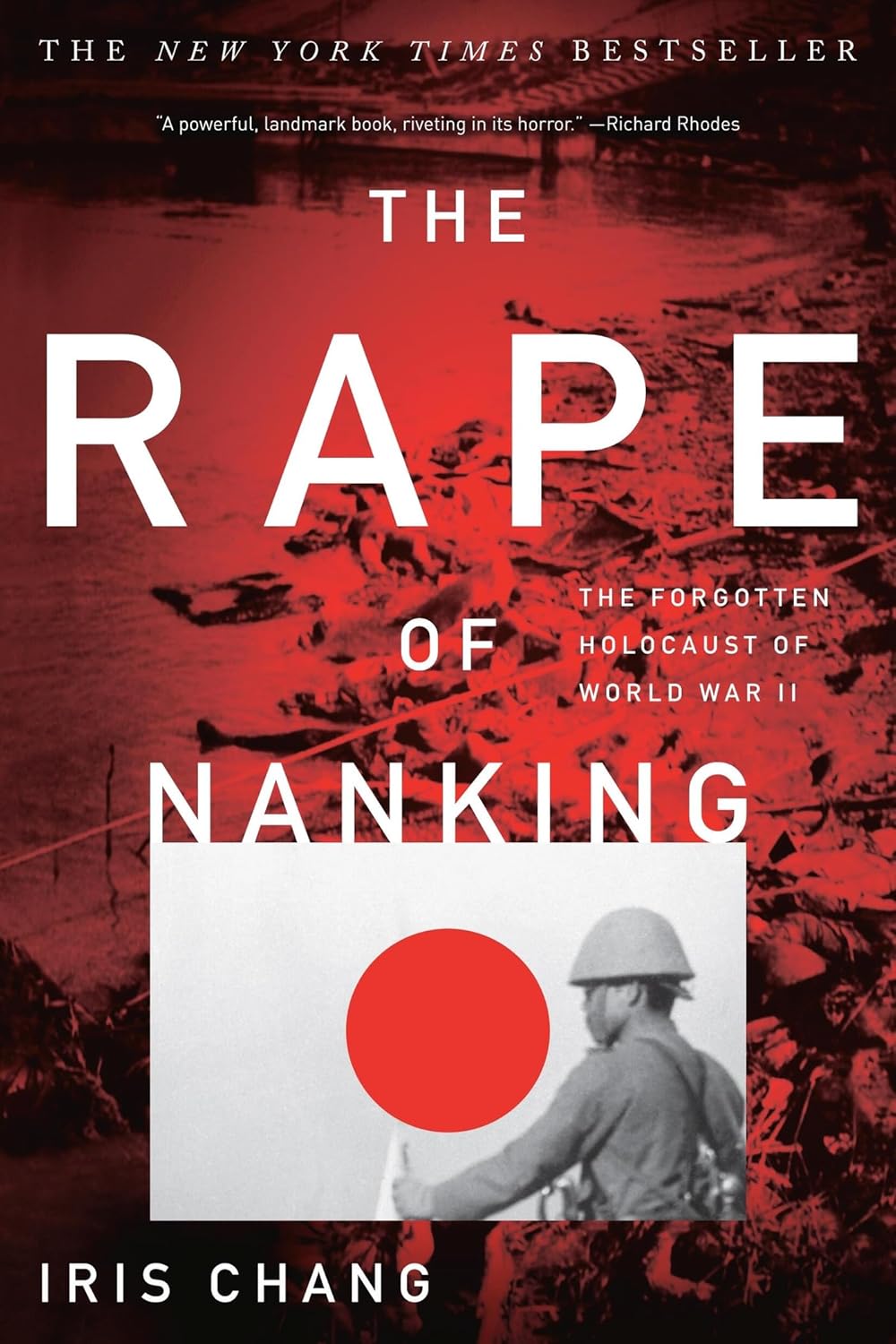
About The Rape of Nanking by Iris Chang: The True Story of a Forgotten Wartime Tragedy
Some books are easy to finish and forget. Others stay with you because they tell a true story that should never have been hidden. The Rape of Nanking by Iris Chang is one of those books. It takes readers back to Nanking, now called Nanjing, where ordinary Chinese families faced terrible violence after Japanese troops entered the city in December 1937.
This is not a novel, a made-up war story, or a light weekend read. It is a serious work of history about real people, real suffering, and the struggle to keep their stories alive. Iris Chang brings together witness accounts, survivor interviews, and historical records to explain what happened and why the world must remember it.
A True Story Many History Lessons Leave Out
Most people learn about World War II through famous battles, major leaders, and events in Europe. Far fewer learn what happened to Chinese civilians in Nanking. That gap can leave readers with an incomplete view of the war and its human cost.
This book helps fill that gap. It explains how Nanking, then the capital of China, became the site of mass killings, sexual violence, and widespread destruction. Chang does not treat the victims as distant numbers. She brings attention back to the people whose homes, families, and futures were torn apart.
Readers who want a fuller picture of Asian history will find important context here. The book connects the events in Nanking with Japan’s invasion of China, the choices made by military leaders, and the long struggle over how these events should be remembered.
The United States Holocaust Memorial Museum states that the massacre began in December 1937 and that the death toll reached the hundreds of thousands. Exact casualty estimates vary, so no single disputed number should be presented as beyond historical debate.
What Happened After the City Fell
Before the attack, Nanking was a major political and cultural center. Families lived there, students attended classes, businesses operated, and residents hoped to survive the growing conflict around them. When Japanese forces captured the city, civilian life changed with frightening speed.
Chang describes how soldiers attacked civilians and prisoners, destroyed property, and created an atmosphere of fear across the city. Men, women, children, and older people were all affected. The scale of the violence made the Nanjing Massacre one of the most painful chapters in modern Chinese history.
The author also looks at the conditions that allowed such crimes to happen. She considers military training, ideas of power, wartime pressure, and the loss of respect for human life. This wider context helps readers understand that historical crimes do not appear from nowhere.
Although the book deals with events linked to World War II, the massacre began in 1937, before the European war started in 1939. That timeline is important for anyone studying the Second Sino-Japanese War and the wider conflict in Asia.
The Story Is Told Through Three Different Viewpoints
One reason the book is so effective is that Chang does not rely on a single voice. She looks at the events through the experiences of Chinese victims, Japanese soldiers, and Western residents who remained in Nanking.
The Chinese viewpoint shows the fear, loss, and lasting pain faced by families caught in the violence. These accounts make the history personal and remind readers that every large historical tragedy is made up of individual human lives.
The sections about Japanese soldiers examine the actions of the invading army and the military culture surrounding those actions. They help readers ask how authority, obedience, and harmful beliefs can lead to terrible crimes.
The Western viewpoint introduces people who witnessed the massacre and tried to protect civilians. Their letters, diaries, reports, and photographs also helped preserve evidence of what happened. Together, these viewpoints create a broader understanding of the events than a simple list of dates could provide.
The People Who Tried to Protect Others
Among the darkest parts of this history are stories of people who refused to look away. Some foreigners stayed in Nanking even when leaving would have been safer. They helped create and support a safety zone where Chinese civilians could seek shelter.
John Rabe, a German businessman, was among the figures connected with these relief efforts. Minnie Vautrin, an American educator and missionary, helped protect women and children at Ginling College. Their actions show that individual choices can matter even when the situation feels impossible.
The book does not turn these rescue efforts into a simple happy ending. The danger remained real, and many people could not be saved. Still, these stories add an important human truth: courage and care can survive even during the worst periods of history.
Yale Divinity Library preserves letters, diaries, reports, photographs, and records linked to witnesses including John Rabe and Minnie Vautrin. These materials help show why eyewitness evidence remains central to understanding the massacre.
Why Iris Chang Wrote This Book
Iris Chang wanted more people to know about a tragedy that had received too little attention in many English-language discussions of World War II. Her work brought together survivor accounts and historical material to make this history easier for a broad audience to understand.
She also asked why some major crimes are widely taught while others remain less familiar. That question gives the book lasting value. It invites readers to think about whose stories enter school lessons, whose suffering is recorded, and what happens when public memory fades.
Chang’s writing is direct and emotionally strong. She does not hide the seriousness of the events, but her purpose is not to shock readers for entertainment. Her aim is to preserve memory, examine evidence, and make sure the victims are not reduced to a forgotten footnote.
The full title, The Rape of Nanking: The Forgotten Holocaust of World War II, reflects that effort to bring an overlooked wartime atrocity to wider public attention.
Records That Help Keep the Truth Alive
History becomes harder to deny when witnesses leave records behind. The events in Nanking were documented through personal diaries, letters, reports, photographs, survivor accounts, and later investigations.
UNESCO includes Documents of Nanjing Massacre in its Memory of the World Register. The collection covers records from 1937 and 1938, later war-crimes investigations, and additional legal files from subsequent years. This recognition shows the lasting importance of preserving evidence connected with the massacre.
For readers, this background matters because the book is not based on imagination. It addresses a documented historical event supported by many kinds of evidence. At the same time, responsible reading means understanding that historians can debate specific figures, interpretations, and details.
That balance makes the book useful for thoughtful discussion. Readers can learn from Chang’s account while also consulting archives and other historical studies when they want a broader view.
Who Should Read This Book
The Rape of Nanking suits adult readers who want serious nonfiction about war, Chinese history, Japanese history, human rights, and the treatment of civilians during conflict. It can also support university study, research projects, discussion groups, and personal reading about difficult historical events.
Students of international relations may find its questions about military power, public memory, and responsibility especially relevant. Readers interested in journalism can examine how witness accounts and documents help tell an important story. Those studying human rights can consider what happens when civilians lose protection during war.
It is also a meaningful choice for readers whose knowledge of World War II has focused mainly on Europe. The book adds an Asian perspective that many general war histories do not explore in enough detail.
Because it describes murder, sexual violence, torture, and other severe wartime abuse, this book is not suitable for children. Adult readers and mature older teens should consider these content warnings before reading.
What Readers Can Take Away From It
This book helps readers understand that history is about more than armies and borders. It is also about families, choices, silence, fear, survival, and the way a society remembers painful events.
You will gain a clearer picture of the Nanjing Massacre and its place in modern Asian history. You will also see why witness accounts matter, why safety efforts deserve attention, and why the treatment of civilians must never become an afterthought.
The book raises difficult questions without offering easy comfort. What allows cruelty to spread? Why are some victims remembered more widely than others? What duty do witnesses have when powerful institutions remain silent?
These questions make the book valuable beyond one historical event. They encourage readers to think carefully about modern conflicts, public responsibility, and the need to protect human dignity.
For readers in Bangladesh, the history may also raise familiar questions about war, civilian suffering, and the importance of remembering difficult national experiences. These connections can make the book feel relevant far beyond China, especially for readers who value justice, memory, and human rights.
A Premium Copy Made for Careful Reading
Bookish Wonderland offers this title in a premium edition prepared for readers who care about comfort, clear text, and lasting quality. The eye-soothing cream paper helps reduce harsh page glare during longer reading sessions.
Crystal-clear printing keeps the words sharp and easy to follow, which matters when reading a serious history book with many names, dates, and important details. The stitched and glue binding adds strength, helping the pages stay secure through repeated reading and regular shelf use.
Together, these features create a durable English-language copy suitable for personal collections, study, and careful rereading. It is a practical choice for readers who want a book that feels comfortable in hand and remains dependable over time.
A Useful Choice for Study, Research, and Discussion
This book can support different reading needs. A history student can use it to begin studying wartime China. A teacher can use its themes to start a careful discussion about evidence, memory, and civilian safety. A book club can explore the moral questions raised by people who witnessed the violence.
It can also be useful for readers interested in historical writing and reporting. Chang shows how interviews and records can help bring a difficult event to public attention. Readers may then compare her account with archives, museum resources, and later studies.
For a personal home library, the book belongs beside serious works on war, human rights, Asian history, and documented historical tragedies. Its value comes from the questions it leaves behind, not from easy entertainment.
Best Sellers Rank of This Book
The following bestseller rankings are provided for this product listing:
- #23,780 in Books
- #1 in Chinese History (Books)
- #2 in Japanese History (Books)
- #4 in Violence in Society (Books)
Why This Book Is Worth Reading
What makes this book difficult to put down is knowing that the people and events were real. Iris Chang shows what happened when Nanking fell, how ordinary families struggled to survive, and why so much of their suffering remained unfamiliar to the wider world.
You also meet people who refused to leave the city and tried to protect others. Their actions bring a different side to the story, showing that even during terrible times, some people chose courage over silence.
The book leaves you with questions that stay in your mind. How could this happen? Why was it not discussed more openly? What happens when the world forgets the people who lived through such violence?
Readers searching for The Rape of Nanking by Iris Chang book price in Bangladesh can order a premium copy from Bookish Wonderland. Nationwide delivery and Cash on Delivery are available, with fast delivery options inside Dhaka.
If you require any customization or have any questions, please inbox us via FB or Insta.
| Primary Specification | |
| Author | Iris Chang |
| Narrator | Anna Fields |
| Editor | Elliott Beard |
| Genre | Nonfiction, history, World War II history, military history, Asian history, and war-crime studies |
| ISBN-13/ISSN | 978-0465068364 |
| ISBN-10 | 0465068367 |
| Publisher | Basic Books |
| Publishing Date | January 10, 2012 |
| Language | English |
| Reading Age | 18+ |
| Format | Printed Book |
| Physical Specification & Quality | |
| Paper Quality | Premium eye-soothing cream paper |
| Binding Quality | High quality stitched and glue binding (for longevity) |
| Print Quality | Crystal-clear print |
| Pages | 304 pages |
| Country | USA |
| Logistics Information | |
| Weight | 333 gm |
| Length | 8.5 inches |
| Width | 5.6 inches |
| Height | 1.25 inch |