

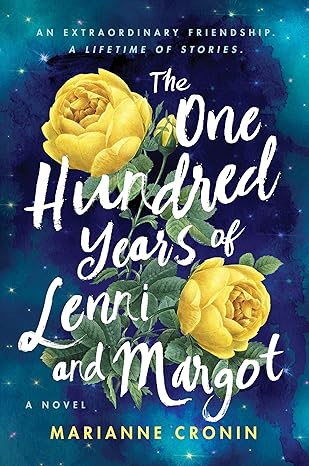
About The One Hundred Years of Lenni and Margot by Marianne Cronin: A Moving Novel About Friendship, Art, Love, and One Shared Lifetime
Some books give you a story to pass the time. Others leave you thinking about the people who matter most. The One Hundred Years of Lenni and Margot by Marianne Cronin belongs in the second group. It brings together two women who should never have met, yet find each other when both need a true friend.
Lenni is seventeen. Margot is eighty-three. Together, they have lived for one hundred years. What they do with those years becomes the heart of a story that can make you laugh, break your heart, and remind you how much one person can change another life.
Two strangers meet when life feels small
Lenni lives in a hospital in Glasgow. She knows she is seriously ill, and she understands that her future may be shorter than she once hoped. Still, she refuses to spend every day waiting quietly. She asks direct questions, tests the rules, and looks for something that makes life feel larger than her hospital room.
Margot is also a patient. At eighty-three, she carries a long life filled with memories, people she loved, difficult choices, and moments she has never forgotten. She is warm, sharp, and far more lively than anyone who judges her only by her age might expect.
When they meet through a hospital art class, their friendship begins to change everything. They come from different times and have very different stories. Yet each recognises something in the other: the need to be seen as a whole person, not simply a patient.
One hundred years, one hundred pictures
After Lenni and Margot realise that their ages add up to one hundred, they decide to create one hundred paintings. Each picture will stand for a year of their lives and a story worth keeping.
The project gives them a reason to meet, talk, remember, and make something together. What begins as a simple idea becomes a way to look back at the lives they have lived and the people who helped shape them.
Through their stories, you see first loves, family ties, hard choices, moments of loss, and small acts of kindness. Some memories are joyful. Others carry pain. Together, they show that a life is never made of just one feeling.
The paintings are not important because they need to be perfect. They matter because they help Lenni and Margot hold on to their stories. Every picture becomes proof that their lives, their memories, and their friendship deserve to be remembered.
A book about illness that still makes room for joy
You may worry that a novel set in a hospital will feel too heavy. This story does deal with illness, grief, and the fear of losing people. It does not pretend those things are easy. But it also gives you warmth, gentle jokes, and moments of real happiness.
Lenni has a lively way of looking at the world. She can be honest, funny, stubborn, and full of questions. Her talks with Father Arthur, the hospital chaplain, bring both humour and deeper questions about life, faith, and what happens when time feels limited.
Margot brings years of experience, but she does not speak as if she knows every answer. She carries her own doubts, her own regrets, and her own need for someone who will listen. That honesty makes their bond feel natural.
The result is a book that can make you cry without leaving you with nothing but sadness. There is real comfort in watching two people give each other courage, company, and a reason to keep living fully.
Why Lenni and Margot feel like real people
Lenni is young, but she does not want others to treat her as fragile or helpless. She wants to choose how she spends her time. She wants honest answers. Most of all, she wants a life that still belongs to her.
Margot has already lived through many changes. She has loved deeply, made mistakes, faced sorrow, and kept moving forward. Her past opens slowly, giving the reader time to understand the person behind the older woman sitting in a hospital room.
Their friendship works because neither character exists only to teach the other a lesson. Lenni gives Margot fresh energy and the chance to share memories that still matter. Margot gives Lenni attention, patience, and a link to a world beyond her own short experience.
You do not need to share their ages or their situation to understand them. Anyone who has felt lonely, needed a friend, or wished for more time with someone they love can find something familiar here.
The small moments carry the biggest meaning
The strongest parts of this novel are often the quiet ones. A shared story. A kind question. A painting made by hand. A visit that turns an ordinary day into something worth remembering.
Marianne Cronin shows how friendship can grow in places where people feel scared or alone. The hospital is not only a setting for illness. It becomes a place where strangers notice each other, offer help, and create a sense of family.
The people around Lenni and Margot add warmth to the story. Nurses, hospital staff, and Father Arthur help build a world where care appears in many forms. Sometimes it comes through a serious talk. Sometimes it comes through a joke, a small favour, or simply being there.
These moments give the book its emotional pull. You keep reading because you want to know the next memory, the next painting, and the next step in a friendship that grows more important with every page.
A story that asks what makes a life matter
Most people measure life in years. Lenni and Margot begin to ask whether the number is the only thing that matters. A long life can hold unfinished feelings. A short life can leave a deep mark on other people.
Their shared art project becomes a way to ask different questions. Who loved you? Whom did you help? Which moments made you feel understood? What stories do you hope someone will remember after you are gone?
The book does not offer easy answers or pretend that loss has a simple fix. Instead, it shows how love, honesty, and friendship can make hard days feel less lonely.
It also reminds readers that older people have rich histories, while younger people can show great courage and wisdom. Lenni and Margot meet each other as equals. That is one reason their friendship feels so strong.
Love appears in more than one form
This is not a simple romance with one neat love story. Margot's memories include different kinds of love, along with the joy, doubt, and sadness that can come with caring deeply for someone.
The novel also makes space for family love, friendship, chosen family, and the quiet care shown by people who have no duty to stay but choose to stay anyway. Those bonds give the story its depth.
Readers looking for LGBTQ+ themes will also find that Margot's life includes a meaningful relationship with a woman. This part of her story belongs naturally within the wider account of her loves, choices, and personal history.
Because the book treats love as something human and varied, its emotional reach is wider than a single type of relationship. It asks you to think about all the people who have helped you feel less alone.
Who is likely to enjoy this novel?
The One Hundred Years of Lenni and Margot by Marianne Cronin is a good choice for readers who enjoy modern fiction with strong characters and real feelings. It also suits people who like stories about friendship across different ages, family ties, hospital life, memory, and second chances.
If you enjoy books that balance sadness with humour, this story offers both. It has serious moments, but it also understands how people laugh even when life is hard.
Book clubs can find plenty to discuss, from the meaning of the paintings to the way Lenni and Margot help each other face their fears. It can also suit older teen readers and adults who are comfortable with themes of serious illness, death, and grief.
You can read it alone during a quiet weekend, share it with a close friend, or choose it as a thoughtful gift for someone who values warm, character-led stories.
Why this story can stay with you
Some novels depend on a big twist to keep you reading. This one builds its pull through people you come to care about. You want to know what happened in Margot's earlier years. You want to see which memories Lenni chooses to paint. You want their friendship to have as much time as possible.
The book also invites you to think about your own life. Which year would you paint first? What moment would you choose to keep? Who would appear beside you in the picture?
Those questions make the story feel personal. Even after the final page, you may find yourself remembering a friend, calling someone you miss, or looking at an ordinary moment with more care.
It is a touching read because it understands that people do not need a perfect life to have a meaningful one. They need connection, honesty, and moments that remind them they are still here.
A premium copy made for comfortable reading
Bookish Wonderland offers this title as a premium printed book with eye-soothing cream paper, crystal-clear text, and a comfortable page finish. The easy-to-read print helps you settle into the story without struggling with faint or messy letters.
High-quality stitched and glue binding keeps the pages secure and supports long-term use. Whether you plan to read the book more than once, pass it to a friend, or keep it on your shelf, the strong finish helps it stay in good shape.
The result is a copy that feels pleasant and suits a favourite story.
Best seller ranks of this book
- #12,587 in Books
- #8 in LGBTQ+ Historical Fiction (Books)
- #22 in LGBTQ+ Humorous Fiction (Books)
- #25 in LGBTQ+ Family Life Fiction (Books)
A thoughtful choice for quiet evenings and meaningful gifts
This novel works well when you want a story with more heart than noise. It is the kind of book you can read slowly with a cup of tea, return to after a busy day, or share with someone who enjoys stories about real human bonds.
It can also make a meaningful gift for a friend, a sister, a mother, a teacher, or a reader who enjoys gentle but emotional fiction. The story gives people something to talk about long after they finish it.
For a reading group, the book offers many natural discussion points. Readers can talk about friendship, memory, art, growing older, living with illness, and the ways people leave a mark on each other.
Why Lenni and Margot are hard to leave behind
Lenni is only seventeen, but she has questions about life that most people spend years avoiding. Margot is eighty-three and has a lifetime of stories she has never fully shared. When they meet in a hospital art class, they decide to paint one picture for every year they have lived between them.
That gives you two reasons to keep reading: you want to hear the stories behind Margot’s past, and you want to see how much joy Lenni can find in the time she has left.
If you are checking The One Hundred Years of Lenni and Margot by Marianne Cronin Book price in Bangladesh, visit the Bookish Wonderland product page for the latest price.
If you require any customization or have any questions, please inbox us via FB or Insta.
| Primary Specification | |
| Author | Marianne Cronin |
| Narrator | Sheila Reid, Rebecca Benson |
| Editor | Jen Overstreet |
| Genre | Contemporary fiction, literary fiction, friendship fiction and emotional drama |
| ISBN-13/ISSN | 978-0063017504 |
| ISBN-10 | 0063017504 |
| Publisher | Harper Perennial |
| Publishing Date | June 1, 2021 |
| Language | English |
| Reading Age | 16+ |
| Format | Printed Book |
| Physical Specification & Quality | |
| Paper Quality | Premium eye-soothing cream paper |
| Binding Quality | High quality stitched and glue binding (for longevity) |
| Print Quality | Crystal-clear print |
| Pages | 352 pages |
| Country | UK |
| Logistics Information | |
| Weight | 376 gm |
| Length | 8.5 inches |
| Width | 5.6 inches |
| Height | 0.79 inch |