

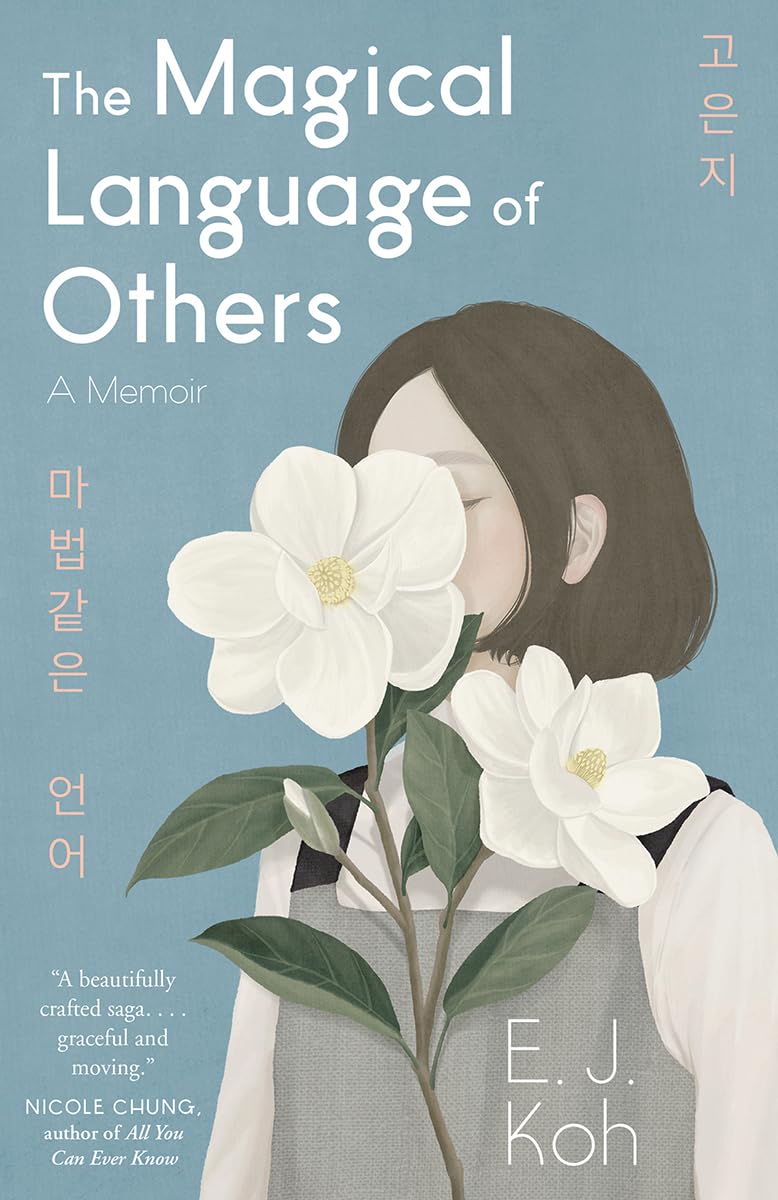
The Magical Language of Others by E.J. Koh
What happens when love reaches you in words you cannot fully understand? The Magical Language of Others by E.J. Koh is a moving true story about a daughter, a mother, and the letters that travel between them. At fifteen, Eun Ji Koh stays in California with her older brother while her parents return to South Korea for work. The separation lasts for years. Her mother sends letters written in Korean, filled with care, regret, hope, and pain. Much later, Koh translates those letters into English and begins to understand the feelings hidden inside them.
This is not a light family story with simple answers. It is a poetic memoir about distance, memory, language, and the marks one generation can leave on the next. Koh looks at four generations of women in her family and asks how people can love each other while also causing deep hurt. Honest, tender, and beautifully shaped, this book is for readers who want a true story that stays in the heart long after the final page.
When Love Arrives in an Unfamiliar Language
A letter can look small, yet hold a whole life. Koh receives her mother's handwritten Korean letters while living far away from her. The words are loving, but they are not always easy for the young daughter to read or accept. There is a gap between the language of the letters and the feelings of the child receiving them. That gap becomes the heart of this memoir.
Many people know this feeling even if their story is different. A parent may care deeply but struggle to say the right thing. A child may feel love and anger at the same time. Families may live in different countries, speak different languages, or remember one event in very different ways. The Magical Language of Others gives these hard feelings a clear and gentle form. It does not force the family into heroes and villains. Instead, it shows how love can survive beside disappointment, silence, and absence.
For readers who have ever wished they could understand a parent better, this book offers companionship. It cannot solve every family wound, but it can help you look at old words with new eyes.
A Family Changed by One Decision
At age fifteen, Koh faces a sudden change. Her parents go back to South Korea for work, while she and her older brother remain in California. What may sound like one family decision becomes years of distance. The young Koh must grow up while carrying questions that have no easy answer: Why did her parents leave? Was their choice an act of sacrifice, abandonment, or both? How can a daughter ask for care from people who are an ocean away?
The memoir explores these questions without giving a neat lesson. Koh writes from the view of the child she was and the adult she becomes. This double view gives the story power. The child feels the immediate loneliness. The adult searches family history and language to understand what her parents may have carried.
This approach makes the book useful for anyone interested in immigrant families, long-distance parenting, cultural identity, or the emotional cost of survival. It also helps readers see that a choice can have more than one truth. A parent may believe a decision protects the family, while a child experiences the same decision as loss.
Letters Across the Ocean
The mother's letters are more than pieces of family history. They create a living voice inside the book. Readers meet a woman trying to reach her daughter across time, distance, and language. Her words can be warm, worried, playful, sorrowful, or full of apology. They reveal care, yet they also remind the reader that written love cannot replace a parent's daily presence.
Koh places these letters beside her own memories and reflections. The result feels close and personal, but it also asks larger questions. What changes when private words become part of a public book? Can a translation carry the exact feeling of the first language? Do we understand a letter differently after we grow older?
Because the letters are real, every page carries special weight. You are not watching a made-up family problem. You are seeing a daughter return to the words that helped shape her. The letters allow the mother to speak, while Koh's responses show how meaning can change over time. A sentence that once caused confusion may later reveal fear. A simple expression of love may hold grief that the younger reader could not yet see.
Translation Becomes a Way Back
Koh does not only read her mother's letters; she translates them from Korean into English. Translation becomes both craft and emotional work. She must choose words carefully, listen for tone, and decide how much of her mother's unusual phrasing to keep. The task asks her to enter the letters closely, one line at a time.
This makes language an active part of the story. Korean and English do not sit side by side as simple copies. Each language carries family ties, cultural memory, and different ways of showing care. Koh also writes about her relationship with Japanese and poetry, widening the book's interest in how language can shape a person.
Readers who enjoy translation, bilingual life, or the feeling of living between cultures will find much to consider. Yet no special language knowledge is needed. Koh makes the emotional question easy to understand: can finding the right words help us return to someone we once felt far from?
The answer is not simple, and that is why the memoir feels true. Translation cannot erase the years of separation. It can, however, create a place where mother and daughter may be heard again. It turns reading into a careful act of attention.
Four Generations, One Inherited Story
The book reaches beyond one mother and daughter. Koh looks across four generations of women, linking personal memories with a wider family past. This larger view shows how pain can move through a family even when no one means to pass it on. Fear, silence, duty, and survival can shape the next generation just as strongly as spoken advice.
This part of the memoir gives depth to the central relationship. Koh does not excuse hurtful choices, but she tries to understand where they began. Her search suggests that knowing family history can change how we see the people closest to us. A mother's actions may carry traces of what her own mother endured. A daughter's anger may sit beside an inherited wish for connection.
The story therefore speaks to readers interested in mothers and daughters, Asian American identity, migration, memory, and intergenerational trauma. It asks whether a person can face inherited pain without allowing that pain to decide the future. Koh's answer grows through attention, art, and the difficult practice of forgiveness.
Written with a Poet's Ear
E.J. Koh is a poet, and her memoir uses the care and rhythm of poetry. The writing is often brief, clear, and rich with feeling. A small image can carry a large memory. A quiet sentence may make you stop and read it again. The book does not follow a plain, step-by-step timeline at every moment. It moves through letters, memories, family stories, and reflection, much like the mind moves when it returns to the past.
That style makes the reading experience different from a standard life story. Readers looking only for fast action may need time to settle into it. Readers who love lyrical nonfiction, thoughtful sentences, and books that invite reflection are likely to value it deeply.
The language is beautiful without hiding the hard parts. Koh writes about loneliness, family conflict, regret, identity, and forgiveness with control. She leaves room for readers to think instead of telling them exactly what to feel. This trust makes the memoir rewarding for book clubs, students, writers, and anyone who enjoys close reading.
Love and Anger Can Share the Same Page
One of the book's strongest ideas is that two feelings can be true together. Koh can love her mother and still feel abandoned. Her mother can care for her daughter and still make a choice that hurts her. Forgiveness can be desired without becoming quick or easy.
This emotional honesty helps the memoir avoid a false happy ending. The goal is not to pretend the past did no harm. The goal is to look at it fully and ask what kind of relationship might still be possible. Koh explores reconciliation as a process, not a magic moment.
Readers facing their own mixed family feelings may find relief in this approach. You do not have to choose between love and pain to understand the story. The book gives both feelings space. It shows that trying to understand someone does not mean approving every choice they made. It also shows that naming a wound may be the first step toward changing what happens next.
Made for Comfortable, Lasting Reading
Bookish Wonderland offers a premium edition designed for readers who care about the feel of a physical book. The eye-soothing cream paper gives the pages a soft look and supports comfortable reading during longer sessions. Crystal-clear printing keeps the text sharp and easy to follow, which matters in a book where every translated line and small detail deserves attention.
The high-quality stitched and glue binding adds strength for repeated reading. You can open the book for study, return to marked passages, or keep it in your personal collection with confidence. With clean print, comfortable pages, and durable construction, this copy is made to serve both everyday readers and careful collectors.
Easy Ordering Across Bangladesh
Finding a premium English memoir should not be difficult. Bookish Wonderland brings a large collection of durable English books to readers throughout the country. If you are checking The Magical Language of Others by E.J. Koh Book price in Bangladesh, you can order from one trusted place and receive the book at your preferred address.
Delivery is available inside Dhaka and outside Dhaka, with nationwide service across Bangladesh. Cash on Delivery is available, so you can pay when the order arrives. Readers in Dhaka may also request fast or urgent delivery when time matters. Delivery time and charge can depend on your address and chosen service, so contact the store for current details before placing an urgent order.
Bookish Wonderland combines a carefully selected English collection with reader-friendly ordering. It is a practical choice for personal reading, study, book-club picks, and thoughtful gifts.
Best Sellers Rank of This Book
- #494,194 in Books
- #145 in Asian & Asian American Biographies
- #326 in Culinary Biographies & Memoirs
- #1,545 in Women's Biographies
Bring This Beautiful Memoir Home
Some books tell you what happened. This one asks you to listen to what was difficult to say. Through a mother's Korean letters, a daughter's English translations, and the stories of four generations of women, E.J. Koh creates a tender search for understanding. The result is intimate yet widely relatable: a book about the words families use, the feelings they hide, and the courage needed to return to both.
Choose The Magical Language of Others if you want a memoir that respects pain without giving up on connection. Read it for its poetic language, its honest mother-daughter story, and its thoughtful look at identity and inherited memory. Add the premium edition to your shelf, share it with a serious reader, or bring it to your next book-club meeting. Order from Bookish Wonderland today and let these letters begin a conversation that may continue far beyond the book.
Buy your copy and begin this moving family journey today.
If you require any customization or have any questions, please inbox us via FB or Insta.
| Primary Specification | |
| Author | E.J. Koh |
| Narrator | E.J. Koh |
| Editor | Masie Cochran |
| Genre | Memoir, Biography and Autobiography, Asian American Literature, Family Memoir, Lyrical Nonfiction |
| ISBN-13/ISSN | 978-1947793385 |
| ISBN-10 | 1947793381 |
| Publisher | Tin House |
| Publishing Date | January 7, 2020 |
| Edition | First American Edition |
| Language | English |
| Reading Age | 16+ |
| Format | Printed book |
| Physical Specification & Quality | |
| Paper Quality | Premium eye-soothing cream paper |
| Binding Quality | High quality stitched and glue binding (for longevity) |
| Print Quality | Crystal-clear print |
| Pages | 216 pages |
| Country | United States |
| Logistics Information | |
| Weight | 223g |
| Length | 8.5 inch |
| Width | 5.6 inch |
| Height | 0.79 inch |