

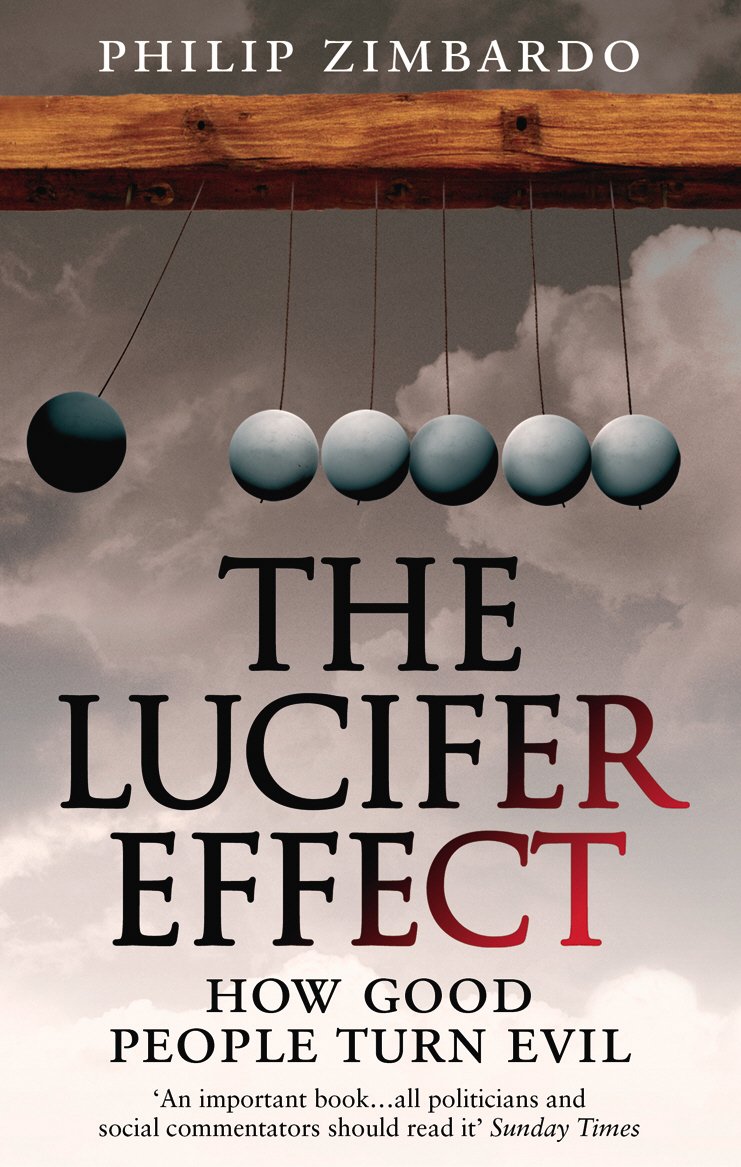
About The Lucifer Effect Book by Philip Zimbardo
Why does a kind person sometimes follow a cruel order? Why can a normal group become harsh when power, fear, and rules take over? The Lucifer Effect by Philip Zimbardo explores these hard questions through social psychology, history, and real events. It asks readers to look beyond the easy idea that only bad people do bad things. Instead, Zimbardo studies how a strong situation, a powerful role, and an unfair system can push ordinary people toward choices they may once have rejected. Its questions remain urgent and personal.
This is not a light story about a made-up villain. It is a serious look at human behavior. The book shows how labels, uniforms, group pressure, authority, and lack of accountability can slowly change what people accept. It also explains why silence can help harm grow. Most importantly, the final message is not hopeless. Zimbardo argues that people can learn to notice dangerous pressure, refuse harmful orders, protect others, and choose brave action.
The Question That Makes This Book Hard to Put Down
Many books ask why evil people hurt others. This book asks a more personal question: what could make an ordinary person cross the same line? That change in focus makes every chapter feel close to real life. The reader is not allowed to stand far away and judge. Zimbardo asks us to study the small steps that can lead from obedience to cruelty, and from watching harm to helping it continue.
The answer is not that character means nothing. Personal choice still matters. Yet the book shows why character alone may not explain behavior. A person may act one way among friends and another way inside a strict group. A worker may stay silent because a boss controls the room. A crowd may accept words or acts that each person would reject alone. By seeing these pressures early, readers gain a better chance to stop them.
Inside the Stanford Prison Experiment
At the heart of the book is Zimbardo’s detailed account of the 1971 Stanford Prison Experiment. College students were placed in a mock prison and assigned roles as guards or prisoners. The study was planned for two weeks, but it ended after only six days. Zimbardo uses the events to show how quickly roles, rules, power, and a closed setting can shape behavior.
The account moves through the study day by day. Readers see how names give way to numbers, how clothes and routines weaken personal identity, and how control grows through small acts. The prison setting becomes more than a background. It becomes part of the force acting on everyone inside it. Zimbardo also looks at his own role and the danger of becoming too involved in a system to see its harm clearly.
From One Mock Prison to a Real Prison
The book later turns to the abuse of prisoners at Abu Ghraib in Iraq. Zimbardo examines how orders, poor control, fear, group habits, dehumanizing labels, and a broken chain of responsibility can create room for abuse. His main point is that blaming only a few people may hide the wider setting that allowed harm to happen.
This does not remove personal blame. It asks a second question as well: who made the rules, who watched, who failed to stop the abuse, and what kind of system rewarded silence? That wider view is useful whenever a school, office, military unit, prison, online group, or public body faces wrongdoing. The book helps readers look at both the person and the system around the person.
Big Psychology Ideas Made Easy to See
Zimbardo brings several ideas together in one long, connected argument. Authority can make an order feel safer than personal judgment. Conformity can make a person copy the group to avoid standing alone. Anonymity can weaken the feeling of being seen. Dehumanization can turn a real person into a label. Moral disengagement can help someone hide from guilt by changing the words used for harm. Inaction can make abuse easier when witnesses wait for someone else to move first.
These ideas may sound academic, but the book ties them to events and choices. A reader can notice them in bullying, office culture, online attacks, hazing, public shame, war, and unfair treatment. The lesson is practical: harmful behavior often grows through many small permissions. If people can name those steps, they may be able to interrupt them before the damage becomes larger.
A Better Answer Than “Bad People Are Just Bad”
It is comforting to believe that cruel acts come only from cruel people. That belief keeps danger at a safe distance. The problem is that it can leave us blind to pressure inside groups and systems. The Lucifer Effect offers a wider way to think. It asks readers to examine the person, the situation, and the system together.
Read It with a Curious and Critical Mind
The Stanford Prison Experiment is famous, but its method and meaning have also faced serious criticism. Later researchers have questioned how much the guards were guided, whether the study worked like a true experiment, and how broadly its results should be used. This matters, and a good reader should know it.
That debate does not make the book useless. It makes the reading richer. Treat Zimbardo’s account as a powerful argument that should be compared with later research and criticism. Ask where the evidence is strong, where the author is interpreting events, and where another explanation may fit. Students can use the book to study not only social influence, but also research ethics, evidence, bias, and the way a famous study gains public power.
Darkness Is Not the Final Lesson
After showing how people can be pulled toward harm, Zimbardo turns toward resistance and heroism. This change gives the book its deepest benefit. Readers are not told to fear every group or authority. They are asked to become more awake. A person can pause, question a rule, accept personal responsibility, see the human being behind a label, and seek help from others.
Heroism here does not always mean a great act seen by the world. It can mean saying no when friends push someone down. It can mean reporting abuse, protecting a weak person, or refusing to laugh at cruel treatment. It can mean asking for clear rules and outside review before power grows unchecked. Small brave acts can break the silence that a harmful system needs.
What You Can Gain from Reading It
This book can change the questions you ask when something goes wrong. Instead of stopping at “Who is bad?” you may also ask “What pressure was present?” “Who held power?” “What did the group reward?” and “Why did no one stop it?” Those questions lead to deeper understanding and better prevention.
Readers can gain a clearer view of obedience, group behavior, moral choice, and shared responsibility. They can learn why good intentions may fail without strong safeguards. They can also see why leaders must create fair rules, welcome honest warning, and act quickly when people are harmed. The benefit is not only knowledge for an exam. It is a sharper way to read daily life.
Who Should Read This Book
The Lucifer Effect is a strong choice for psychology and sociology students, teachers, researchers, leaders, managers, law students, people interested in crime and justice, and readers who enjoy serious nonfiction. It can also help anyone who wants to understand bullying, peer pressure, blind obedience, group identity, or abuse of power.
Book clubs can use it for deep discussion because readers may disagree with both the author and one another. Teams can use selected ideas to talk about safe leadership and speaking up. Students can compare the book with newer work on the Stanford study. General readers can move slowly, take notes, and connect each idea with a real example. No special psychology degree is needed, but the topic deserves focus and care.
Useful for Study, Work, and Real Life
In a classroom, the book can support lessons on social psychology, ethics, research design, authority, prisons, and human rights. In a workplace, it can start useful talks about group pressure, blame, weak oversight, and the duty of leaders. In a school or family, its ideas can help explain why people join bullying even when they know it is wrong.
The book is also valuable for readers who want to become better witnesses. Seeing harm is not the same as stopping it. Zimbardo’s discussion invites readers to prepare before a hard moment arrives. Decide what lines you will not cross. Know where to report danger. Find people who will support honest action. Remember names and human stories when a system uses cold labels. These simple habits can make moral choice easier under pressure.
A Reading Experience That Stays with You
This is a detailed book, not a quick list of tips. Some parts read like a tense record of the mock prison. Other parts explain studies, public events, and the structure of power. The subject can be disturbing, yet the writing keeps returning to one clear concern: how can people understand harmful change well enough to resist it?
A Premium Copy Made for Long Reading
Bookish Wonderland prepares this edition for readers who want comfort, clear text, and lasting strength. The physical features are presented once here so you can quickly see what you will receive:
-
Premium eye-soothing cream paper helps make long reading sessions more comfortable.
-
Crystal-clear print keeps the text sharp, clean, and easy to follow.
-
High-quality stitched and glue binding helps the pages stay secure through regular use.
These features suit a book that readers may underline, revisit, and use for study. The copy also makes a thoughtful gift for a student, teacher, leader, or curious reader. It is built to feel good in the hand and remain useful on the shelf long after the first reading.
Why Buy from Bookish Wonderland
Finding a serious English psychology title should feel simple. Bookish Wonderland offers a large collection of premium, durable English books for readers across the country. Cash on Delivery is available nationwide, so you can place an order with ease. Delivery is available both inside and outside Dhaka, while fast or urgent delivery may be arranged in Dhaka when time matters.
The Lucifer Effect Book by Philip Zimbardo Price in Bangladesh
Book price in Bangladesh is only one part of a good buying choice. Comfort, print clarity, binding strength, delivery access, and payment options also shape the value you receive. At Bookish Wonderland, you can check the current listed price and choose the delivery option that fits your location.
This book offers lasting value because it can serve many purposes. Read it once for the central story, return to it for psychology ideas, use it for class notes, or discuss it with a team. Few books ask such an unsettling question and then turn that question toward practical courage. If you want nonfiction that makes you think after the final page, this is a strong addition to your shelf.
Best Sellers Rank of This Book
-
#17,844 in Books
-
#1 in Medical Experimental Psychology
-
#2 in Popular Experimental Psychology
-
#9 in Popular Psychology Reference
Bring Home a Book That Changes How You See People
The Lucifer Effect does more than describe cruel acts. It shows how roles, rules, groups, and systems can shape a choice, then asks what each person can do before harm becomes normal. It may unsettle you, challenge you, and make you question easy judgments. It can also leave you more prepared to protect your values when pressure grows.
Order The Lucifer Effect by Philip Zimbardo from Bookish Wonderland today. Read it to understand power, study it to recognize danger, and keep its final lesson close: ordinary people can be pushed toward harm, but ordinary people can also notice, resist, speak, and help.
If you require any customization or have any questions, please inbox us via FB or Insta.
| Primary Specification | |
| Author | Philip Zimbardo |
| Narrator | Kevin Foley |
| Editor | Will Murphy |
| Genre | Psychology, Social Psychology, Experimental Psychology, Group Dynamics, Human Behavior. |
| ISBN-13/ISSN | 978-0812974447 |
| ISBN-10 | 0812974441 |
| Publisher | Random House Trade Paperbacks |
| Publishing Date | January 22, 2008 |
| Edition | Reprint |
| Language | English |
| Reading Age | 18+ |
| Format | Printed book |
| Physical Specification & Quality | |
| Paper Quality | Premium eye-soothing cream paper |
| Binding Quality | High quality stitched and glue binding (for longevity) |
| Print Quality | Crystal-clear print |
| Pages | 576 pages |
| Country | United States |
| Logistics Information | |
| Weight | 582g |
| Length | 8.5 inch |
| Width | 5.6 inch |
| Height | 1.2 inch |