

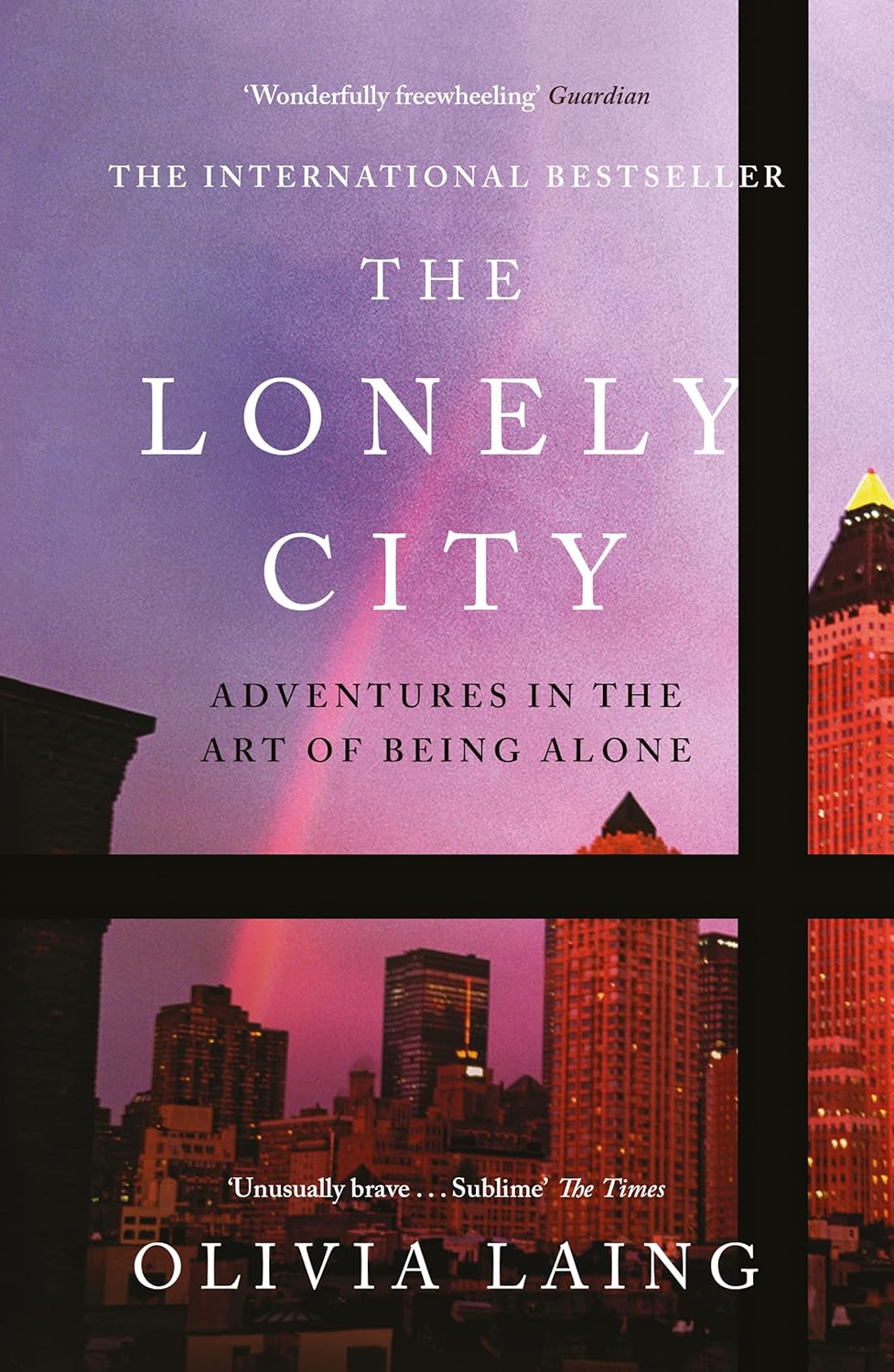
About The Lonely City Book by Olivia Laing: Art, Solitude, and the Need to Connect
This book gives loneliness a clear shape. The Lonely City Book by Olivia Laing looks at what it means to feel alone, even when many people are near. Laing writes about living in New York City after a painful change in life. From a small room high above streets, they watch other windows, walk through art shows, and ask a simple but deep question: why can a full city still feel empty?
The answer comes through art. Laing studies the lives and work of people who knew loneliness well. Their pictures, films, words, and strange collections become lights in the dark. The result is warm, smart, honest, and easy to feel. It is not a quick guide that tells you to cheer up. It is a kind companion that says your hard feeling is real, shared, and worth understanding.
A clear look at the book
The full title is The Lonely City: Adventures in the Art of Being Alone. It is a nonfiction book that mixes personal memoir, artist biography, art history, and ideas about modern life. Olivia Laing begins with their own lonely days in New York. They then move into the work and lives of artists who found ways to show distance, shame, fear, want, and hope.
Edward Hopper paints people sitting alone in rooms, cafés, and city spaces. Andy Warhol uses cameras, recordings, repeated images, and boxes of saved things. Henry Darger builds a huge private world through pictures and writing. David Wojnarowicz turns pain, anger, love, and public silence into art and action. Other people also enter the book, including Nan Goldin, Klaus Nomi, Peter Hujar, Billie Holiday, and Jean-Michel Basquiat. Each life adds another piece to Laing's map of loneliness.
When you cannot name what you feel
Loneliness can be hard to speak about. A person may have family, friends, work, and a busy phone, yet still feel shut away. That can bring shame. It may seem as if everyone else belongs while you stand outside a glass wall. Many simple self-help books try to fix this feeling in a few steps. That can make a reader feel worse when the steps do not work.
The Lonely City takes another path. It does not treat loneliness as a small fault in you. It looks closely at where the feeling comes from. It asks how love, loss, class, illness, gender, sexuality, money, technology, and public rules can push people apart. Art becomes a way to see these hidden walls. By finding the same feelings in other lives, the reader may feel less strange. The book offers no magic cure, but it gives words, company, and a wider view. Sometimes that is the first useful answer.
Walk through New York with an observant guide
New York is more than a background here. Its windows, trains, diners, hotel rooms, streets, screens, and crowds shape the whole book. Laing writes about being close to thousands of people but not close to any one person. That gap makes the city bright and cold at the same time.
As Laing moves through museums, old records, videos, books, and city places, you learn how art can hold a human life. A painting may show a person behind glass. A tape recorder may make talk feel safer. A private room may hide years of work. A photo may speak when a person has been ignored. These links make the book move like a slow walk. One idea opens a door to the next. You do not need to know art history before you start. Laing explains why each work matters and connects it to feelings that most people know.
Four artists at the heart of the journey
Edward Hopper helps Laing show the shape of being alone. His city scenes hold quiet rooms, sharp light, open windows, and people who seem near but far apart. The book helps readers look again at famous works such as Nighthawks and notice how space can tell an emotional story.
Andy Warhol brings a different kind of distance. He was often around people, yet used phones, cameras, tapes, and repeated images to stand both inside and outside a social world. Henry Darger lived a hidden life and made a vast, private body of work. His story raises hard questions about hurt, imagination, judgment, and the need to build a world of one's own.
David Wojnarowicz gives the book much of its fire. His art faced abuse, shame, censorship, homophobia, illness, and the AIDS crisis. He made private pain public so it could not be ignored. Through him, loneliness becomes not only personal, but also social and political.
More than a sad book
The subject is heavy, but the book is not only dark. It shows that being alone can lead to close attention. It can make a person look, read, make, collect, speak, and search. Art does not erase pain, yet it can carry a message from one person to another across a room, a city, or many years.
Laing also shows the difference between chosen solitude and unwanted loneliness. Quiet time can be calm and useful. Loneliness is the wish for more care or contact than we have. This clear difference matters. It stops the book from saying that everyone must live the same way. A person can enjoy being alone and still need others. A person can stand in a crowd and feel unseen. The book respects both truths.
What makes this reading experience special
-
A true personal starting point: Laing's lonely time in New York gives the book a living heart.
-
A wide nonfiction mix: memoir, biography, art history, social thought, and cultural criticism work together.
-
Four strong central figures: Edward Hopper, Andy Warhol, Henry Darger, and David Wojnarowicz guide the main journey.
-
A bigger human view: the book asks how private pain can grow from public shame, illness, poverty, exclusion, or loss.
-
Art made easy to enter: readers can understand the ideas without having studied art before.
-
A modern question: screens and online life appear as tools that can connect people but can also deepen distance.
-
A lasting message: making and sharing art can help people speak, witness, remember, and reach one another.
What you may carry away from it
This book can help you find words for a feeling that is often hidden. It may change the way you look at a lit window, an empty chair, a photo, or a person sitting alone. It can also help you see why quick judgments are unfair. A quiet or distant person may be living through pain that others cannot see.
Readers may gain a simple start in modern art, but the larger benefit is emotional understanding. Laing shows how people turn hurt into form: paint on a canvas, a voice on tape, a picture in a camera, or words on a page. You see how making something can protect memory and fight silence. You also see why true contact needs care, not only noise or a crowded room.
Who will enjoy this book most
Choose this title if you like books that sit between memoir and ideas. It is a strong match for readers of art, psychology, biography, city life, social history, and thoughtful nonfiction. It also works well for people who have moved to a new place, lost a close bond, lived alone, felt left out, or wondered why online contact does not always feel like real closeness.
University readers can use it to begin talks about visual culture, isolation, identity, the AIDS crisis, censorship, and the social power of art. Book clubs can discuss whether art heals loneliness, records it, or simply helps us share it. Artists and writers may value the honest look at why people make things. A friend going through a quiet, hard season may find care in these pages, though this is a serious book, not a light comfort read.
Because it includes mature themes, illness, abuse, sexuality, death, and social exclusion, it is best suited to older teens and adults.
A thoughtful choice for many moments
Read it slowly on quiet evenings when you want company without noise. Carry it on a long trip if cities make you think about all the lives passing near you. Add it to an art course, a cultural studies list, or a personal reading plan about the mind and human ties. Use it for a book club where people are ready to share real thoughts rather than only talk about plot.
Made for comfortable reading and a longer shelf life
Bookish Wonderland offers this printed edition for readers who care about both the words and the feel of the book. The crystal-clear print keeps letters sharp and easy to see. Premium, eye-soothing cream paper gives the pages a softer look under normal light. It is comfortable for long reading sessions and helps the text feel calm on the page.
The book uses high-quality stitched and glue binding. Stitching gives the page groups extra hold, while glue keeps the spine firm. With normal care, this design can handle rereading and regular shelf use. Keep the book dry, hold it with clean hands, and avoid forcing the spine flat. Those small habits will help it stay neat for longer.
Find The Lonely City at Bookish Wonderland
If you are checking the book price in Bangladesh for The Lonely City by Olivia Laing, look beyond the number alone. A book like this deserves clear text, comfortable pages, and binding that can stay strong when you return to important parts. Bookish Wonderland brings those reading details together in one carefully made printed copy.
You can order from anywhere in Bangladesh. Cash on Delivery is available nationwide, both inside and outside Dhaka. If you live in Dhaka and need the book soon, ask about the fast or urgent delivery option before you place your order. This makes it easy to buy for a class, a reading group, a gift, or your next quiet weekend.
Bookish Wonderland also carries a large collection of premium, durable English books. If this title opens a new interest in art writing, memoir, or cultural nonfiction, you can keep building your shelf with books that are made for reading.
A thoughtful book about feeling alone
The Lonely City does not offer a quick cure for loneliness. Instead, Olivia Laing looks closely at the feeling and at the artists who turned their isolation into meaningful work. Their stories show that loneliness can be painful, but art can help people feel seen and understood.
Order The Lonely City by Olivia Laing from Bookish Wonderland if you enjoy thoughtful nonfiction about art, real lives, and human emotions. Through New York and the work of Edward Hopper, Andy Warhol, Henry Darger, and David Wojnarowicz, Laing explores silence, distance, shame, and the need for connection.
This is a book to read slowly. Take your time, mark the pages that stay with you, and return whenever you need a quiet and understanding voice. Add your copy to the cart today.
If you require any customization or have any questions, please inbox us via FB or Insta.
| Primary Specification | |
| Author | Olivia Laing |
| Narrator | Tilda Swinton |
| Genre | Literary nonfiction, Hybrid nonfiction |
| ISBN-13/ISSN | 978-1250118035 |
| ISBN-10 | 1250118034 |
| Publisher | Picador |
| Publishing Date | June 6, 2017 |
| Language | English |
| Reading Age | 16+ |
| Format | Printed Book |
| Physical Specification & Quality | |
| Paper Quality | Premium eye-soothing cream paper |
| Binding Quality | High quality stitched and glue binding (for longevity) |
| Print Quality | Crystal-clear print |
| Pages | 336 pages |
| Country | USA |
| Logistics Information | |
| Weight | 354 gm |
| Length | 8.5 inches |
| Width | 5.6 inches |
| Height | 0.84 inch |