

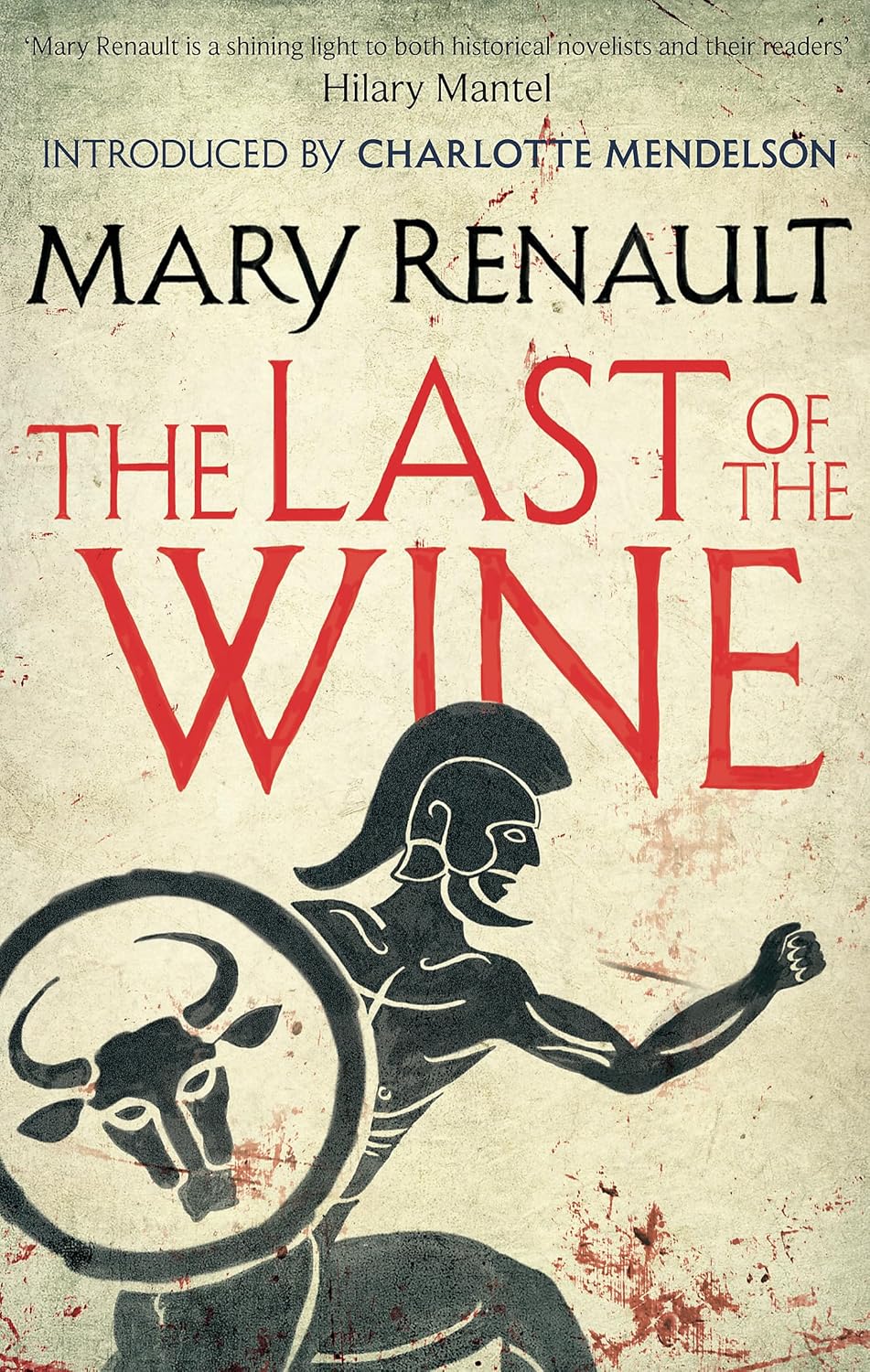
About The Last of the Wine Novel by Mary Renault: Love, Courage, and Ancient Athens
Step into Athens near the end of its golden age, when bright ideas, brave soldiers, great games, and hard politics all meet. The Last of the Wine Novel by Mary Renault is a rich historical story about Alexias, a young Athenian who is learning what it means to love, choose, fight, and grow. His bond with Lysis begins in a world shaped by beauty and sport, but their lives soon move through war, fear, loss, and public change.
This is not a dry history lesson. It is a close, human story told through the eyes of someone living inside a famous time. Socrates is not only a name in a textbook. He is a teacher whose questions guide young people. Athens is not only a place on a map. It is a busy home filled with families, athletes, thinkers, soldiers, and citizens who do not know what tomorrow will bring.
A Young Man Comes of Age as Athens Changes
Alexias is young, admired, athletic, and born into a respected Athenian family. Yet his good start cannot keep him safe from a city in trouble. Athens is fighting Sparta in the Peloponnesian War. Old rules are under pressure. Leaders rise and fall. Food, safety, family duty, and freedom can no longer be taken for granted.
In this changing world, Alexias meets Lysis, an older young man known for strength, skill, and honor. They train, compete, travel to the Olympic games, and listen to Socrates. Friendship grows into love. Their bond becomes the heart of the novel, but it never sits apart from the world around them. Every public event touches private life. Every hard choice asks what loyalty really means.
Mary Renault lets the reader see history from street level. Great events arrive as news, fear, duty, hunger, and sudden change. The result is a story that feels large and close at the same time. You see a city losing power, but you also see two people trying to live well while everything shifts beneath them.
When Ancient History Feels Distant, This Book Brings It Near
Some readers want to explore ancient Greece but worry that the names, wars, and ideas will feel too hard. A plain history book may explain what happened without showing how it felt. A light romance may offer emotion without giving a true sense of the age. This novel joins both needs in one strong reading experience.
Renault builds the setting through action. You learn about training grounds because Alexias and Lysis compete there. You meet philosophy through talks with Socrates. You understand the war through the risks people face, the work citizens must do, and the changes inside the city. Customs around family, honor, love, marriage, politics, and public duty appear as part of daily life.
The language asks for calm attention, especially at the start, because Renault does not stop to explain every old custom. That is also part of its power. The reader is trusted to watch, listen, and learn. Soon the old world begins to feel real. If you have found some classics cold or slow, this story offers a warmer door into the past through love, youth, courage, and loss.
Alexias Gives the Story Its Living Voice
The novel is told by Alexias, so the reader sees Athens through his hopes, pride, mistakes, and growing wisdom. He begins as a young person who still believes family name, beauty, and talent can shape his future. Life teaches him that character matters more when comfort is gone.
His voice makes the story personal. He notices bodies in sport, faces in crowds, the words of teachers, the mood of the city, and the small signs that danger is coming. He can be proud, tender, afraid, and brave. Because he does not know the future, each change feels immediate. The reader may know that Athens will lose its long war, but Alexias must discover what that loss means one day at a time.
The Bond Between Alexias and Lysis
At the center of the book is a same-sex love story shown within the social world of classical Athens. Renault does not place a modern romance inside old clothing. She tries to show how love, guidance, age, honor, and duty could be understood in that society.
Lysis is more than a love interest. He is a guide, fellow athlete, companion, and moral example for Alexias. Their relationship grows through shared work and danger. They do not only speak of love; they train, travel, think, serve, and face fear together. This gives their bond weight.
The story is tender, but it is not simple. Public custom does not remove private pain. Family duties remain. Marriage and citizenship carry demands. War can break any plan. The characters must ask whether love makes them better, whether honor can survive fear, and what one person owes another.
Socrates, War, and the Fight to Live Well
Socrates appears as a working teacher, not a distant statue. He asks questions that push the young men to look past beauty, fame, and easy answers. What is good? What is courage? Does a strong city always act wisely? How should a person live when leaders fail?
These questions matter because Athens is at war. The city that values debate and freedom can still make proud, cruel, or foolish choices. Renault shows public life as exciting but fragile. Crowds can praise one leader and turn against him later. Fine words can hide selfish plans. A citizen may love his city while knowing it is wrong.
The novel covers major upheaval, including the conflict with Sparta and the harsh rule that follows Athens' defeat. Yet the book never becomes a list of dates. Politics enters homes. Military choices affect food, safety, work, and family. Courage appears on battlefields, but also in care, truth, and refusing to betray what is right.
What Makes This Edition Pleasant to Own
A long historical novel should feel comfortable in your hands and clear on every page. Bookish Wonderland prepares this printed edition for readers who want a good daily reading copy and a book that can stay on the shelf for years.
-
Crystal-clear print keeps letters sharp and easy to follow during long reading sessions.
-
Premium, eye-soothing cream paper gives the pages a softer look than bright white paper.
-
High-quality stitched and glue binding adds strength and helps the pages stay secure with careful use.
-
A durable printed format makes the book suitable for personal reading, study, book clubs, or gifting.
What You Gain from Reading It
The first reward is emotional. Alexias and Lysis offer a moving picture of love tested by time and danger. Their choices can make readers think about loyalty, courage, and the people who help us become better.
The second reward is a vivid entry into classical Athens. The book places sport, teaching, family life, civic duty, war, and social custom inside a story. You are not asked to memorize facts. You learn by staying close to the characters.
The third reward is thoughtful reading. Socratic questions run under the action. The novel invites you to ask what makes a good person and what makes a good city. It does not hand over one small answer. It lets love, war, pride, and loss test every idea.
The fourth reward is a wider view of historical fiction. Published in 1956, the novel treats love between men with seriousness and care. It shows that queer lives can stand at the center of a broad story about culture, politics, and moral growth.
Who Will Enjoy This Novel Most?
Choose this book if you enjoy historical fiction that gives equal space to character and setting. It suits readers who like ancient Greece, Greek philosophy, political change, literary love stories, and coming-of-age journeys.
This is an adult literary novel. Mature teens who already enjoy classics or ancient history may also read it, but the book deals with war, death, political violence, marriage customs, and an age-shaped same-sex relationship. A teacher or parent may wish to consider those themes before choosing it for a younger reader.
The book may not be the best match for someone seeking a very fast thriller, simple modern speech, or explicit romance. Its pleasure comes from entering another culture slowly and seeing how private love and public history shape each other.
A Good Choice for Quiet Reading, Study, or Gifting
Read it over a calm weekend if you want to leave the modern world for a while. Take it slowly over several evenings if you enjoy pausing to think. Keep a note of names at the start if ancient Greek history is new to you; the people and events become easier as the story moves.
For a book club, the novel opens many clear topics: love and mentorship, the place of women in Athens, the duty of citizens, the danger of proud leaders, the meaning of beauty, and the cost of war. Readers can also compare the private lessons of Socrates with the choices made by the city.
As a gift, it works well for a history lover, a classics student, a reader of queer literature, or someone who values serious historical fiction. The story has romance, but its reach is much wider. It is about how a person grows when the world he trusts begins to fall apart.
Check the Current Price and Order with Ease
For the latest The Last of the Wine Novel by Mary Renault book price in Bangladesh, please check the price shown on this product page. The current listing is the best place to see the amount before you confirm your order.
Bookish Wonderland offers Cash on Delivery across the country, so customers can order without paying online first. Delivery is available inside Dhaka and in other districts. If you need the book quickly in Dhaka, ask whether fast or urgent delivery is available for your address and order time.
Before ordering, you may also message Bookish Wonderland on Facebook or Instagram for stock, delivery, or edition details. This is helpful if the book is a gift, you have a deadline, or you want to confirm any point about the printed copy.
A Story Worth Keeping
The Last of the Wine brings ancient Athens to life through Alexias and Lysis. You follow them through training, talks with Socrates, love, war, and the difficult choices that come with growing up. It is a thoughtful story about loyalty, courage, and standing beside someone when life becomes uncertain.
Order The Last of the Wine Novel by Mary Renault from Bookish Wonderland and add this moving historical novel to your collection. Cash on Delivery is available across Bangladesh, with delivery inside and outside Dhaka. Fast or urgent delivery may also be available in Dhaka. For stock information, delivery details, or special requests, message Bookish Wonderland on Facebook or Instagram.
If you require any customization or have any questions, please inbox us via FB or Insta.
| Primary Specification | |
| Author | Mary Renault |
| Narrator | Barnaby Edwards |
| Genre | Historical Fiction, Literary Fiction, LGBTQ+ Historical Fiction |
| ISBN-13/ISSN | 978-1844089611 |
| ISBN-10 | 1844089614 |
| Publisher | Virago |
| Publishing Date | August 6, 2015 |
| Language | English |
| Reading Age | 16+ |
| Format | Printed Book |
| Physical Specification & Quality | |
| Paper Quality | Premium eye-soothing cream paper |
| Binding Quality | High quality stitched and glue binding (for longevity) |
| Print Quality | Crystal-clear print |
| Pages | 406 pages |
| Country | UK |
| Logistics Information | |
| Weight | 428 gm |
| Length | 8.5 inches |
| Width | 5.6 inches |
| Height | 1.04 inch |