

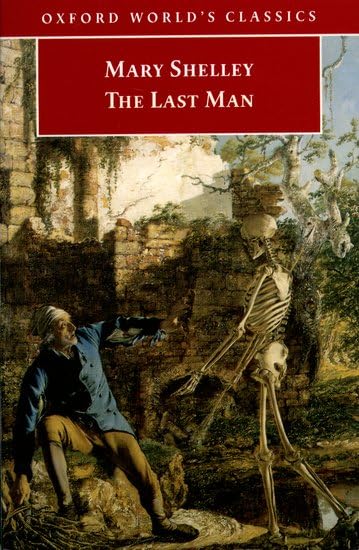
About The Last Man Novel by Mary Wollstonecraft Shelley: A Powerful Story of the World’s Final Survivor
Imagine waking up to a world that is slowly becoming empty. Cities grow quiet. Families are separated. Leaders lose control. The things people once thought would last forever begin to disappear. In the middle of it all stands Lionel Verney, a man who must watch, remember, and keep going.
The Last Man Novel by Mary Wollstonecraft Shelley is one of the earliest great stories about a worldwide disaster and the possible end of humanity. First published in 1826, it looks far into the future and imagines Europe in the late twenty-first century. A deadly plague moves from country to country, changing every part of life. Yet this is not only a book about illness. It is about friendship, love, power, hope, grief, nature, and the fear of being left alone.
Mary Shelley is best known for Frankenstein, but this later novel shows another side of her imagination. She asks a frightening question: What happens when human plans, governments, wealth, and pride can no longer protect anyone? Her answer is large, emotional, and deeply personal.
Meet Lionel Verney Before the World Falls Apart
Lionel Verney begins life as an outsider. He grows up with little guidance and does not trust the rich or powerful. His life changes when he meets Adrian, a gentle and thoughtful nobleman. Through friendship, education, and new experience, Lionel becomes part of a close circle of people whose lives shape the first half of the story.
This group includes Lionel’s sister Perdita, Adrian’s sister Idris, and the bold Lord Raymond. They love, marry, dream, argue, and make plans for the future. Raymond wants glory and public power. Adrian believes in kindness and better ways of living. Lionel learns to care deeply for people after spending much of his early life alone.
These relationships matter because Shelley gives readers time to know the characters before the plague takes control of the story. Their hopes do not feel like small details. They show what may be lost. When danger arrives, every friendship and family bond carries more weight.
A Future That Slowly Loses Its Safety
The book is set in a future England that has become a republic. Kings no longer rule in the old way, but people still struggle with pride, ambition, war, and political rivalry. Shelley shows that changing a system does not automatically change the human heart.
At first, the plague seems far away. People hear reports from other lands, but many continue with normal life. Some believe distance will protect them. Others trust the weather, government, money, or good luck. The danger keeps moving closer.
As the disease spreads, old borders and social ranks become less important. Rich and poor face the same fear. Governments cannot promise safety. Crowds move in search of food, shelter, and a place untouched by illness. The world becomes smaller as the number of living people falls.
Shelley does not depend on quick shocks. She lets the disaster grow slowly. That slow movement makes the story feel heavy and real. Readers see how denial changes into worry, how worry becomes panic, and how people try to stay human when the future looks closed.
When Classic Books Feel Difficult, Start with the Big Question
Some readers avoid older novels because the sentences can be long and the pace can feel slow. The language in The Last Man comes from the early nineteenth century, so it needs more attention than a modern thriller. There are political talks, emotional speeches, and detailed descriptions of places and feelings.
The easiest way into the novel is to follow its main question: What would matter if the human world were ending? Once that question is clear, the longer parts have a purpose. Political dreams show how people try to control the future. Love stories show what each person fears losing. Journeys across Europe show a search for safety that becomes harder with every step.
You do not need to know the full history of Mary Shelley’s time before reading. A simple list of character names may help during the opening chapters. Read slowly, pause when needed, and let the strange future build around you.
More Than an End-of-the-World Story
The plague drives the plot, but human connection gives the book its heart. Lionel does not measure the end of society only through empty buildings or failed governments. He measures it through the people he loves.
The novel asks whether courage still matters when victory may be impossible. It asks whether leadership is useful without honesty and care. It also asks what books, art, memory, and love can mean when there may be no future audience.
Nature plays an important role too. Human beings act as if the world belongs to them, yet fields, rivers, animals, storms, and seasons continue when human power fails. The earth does not end simply because society is ending. This creates a strange mix of beauty and sadness. A lovely landscape can remain while the people who once enjoyed it are gone.
Why This Old Novel Still Feels Close
Mary Shelley wrote the book almost two hundred years ago, yet its fears are easy to understand. People in the story hear news about a growing crisis. Some take it seriously, while others refuse to believe it. Leaders argue. Travelers seek safer places. Families worry about separation. Normal plans become uncertain.
Still, the novel is not a guide to real disease and should not be read as medical information. It is a work of fiction that uses a mysterious plague to test people, ideas, and society. Its strongest truth is emotional: a large crisis becomes personal when it reaches the people and places we love.
What Makes This Printed Edition Comfortable to Read
A long classic becomes easier to enjoy when the physical book feels pleasant and dependable. Bookish Wonderland offers this edition for readers who want a clear daily reading copy that can remain in their collection.
-
Crystal-clear printing keeps the text sharp and easy to see.
-
Premium eye-soothing cream paper gives the pages a soft, calm look.
-
High-quality stitched and glue binding helps keep the pages secure through repeated reading.
-
A durable printed format makes it suitable for study, quiet reading, book clubs, or gifting.
What You May Take Away from the Story
The first benefit is a wider view of Mary Shelley. Frankenstein made her famous, but The Last Man proves that her ideas went far beyond one creature and one scientist. She could imagine the collapse of a whole world while keeping one person’s feelings at the center.
The second benefit is a strong introduction to early science fiction and dystopian writing. The future setting, worldwide plague, political change, and empty earth all appear long before these ideas became common in books and films.
The third benefit is emotional depth. Lionel’s life asks readers to think about friendship, marriage, family, loss, and memory. The novel may be dark, but it cares deeply about human bonds.
The fourth benefit is thoughtful discussion. The story raises questions about leadership, social class, public fear, selfish choices, shared duty, and nature’s power. There is plenty to explore after the final page.
The fifth benefit is the slow pleasure of reading a major classic that many people still have not discovered. It is less famous than Frankenstein, which can make it feel like finding a hidden part of a well-known writer’s work.
Who Is This Book Best For?
This novel is a good choice for readers who enjoy classic literature, apocalyptic fiction, dystopian stories, Gothic feeling, political ideas, and emotional journeys. It may also suit fans of books about pandemics or worlds after disaster who want to understand an early example of the form.
University and college students can use it for courses on English literature, Romantic writing, science fiction, environmental thought, or women’s writing. Book clubs can discuss how people react to danger, why leaders fail, and whether hope can exist when the future seems empty.
Older teens who already enjoy classics may read it, but the style is demanding and the story includes death, grief, war, illness, and the collapse of society. It is mainly suited to adult readers and patient younger readers who are ready for serious themes.
This may not be the right book for someone wanting fast action on every page. The opening spends time on relationships and politics before the plague becomes central. Readers who accept that slower beginning will understand why each later loss matters.
How to Make the Reading Experience Better
Try reading one or two chapters at a time instead of rushing. Keep a short note of the main names: Lionel, Adrian, Idris, Perdita, and Raymond. This will make the early family and political ties easier to remember.
You can also pair the novel with a short introduction to Mary Shelley’s life or Romantic literature. Knowing that she wrote after losing several people close to her can add meaning to the book’s deep concern with grief and memory. However, the story still stands on its own.
For group reading, choose one theme each week. You might focus on power, love, nature, public fear, or loneliness. This keeps the discussion clear and helps readers notice how the same idea changes as society breaks down.
The novel also works well as a thoughtful gift for someone who already owns Frankenstein. It shows that Mary Shelley continued to ask bold questions about science, society, responsibility, and the future.
Check the Current Price Before Ordering
For the latest The Last Man Novel by Mary Wollstonecraft Shelley book price in Bangladesh, please see the current amount shown on this product page. That price will give you the clearest information before you place your order.
Bookish Wonderland provides Cash on Delivery across the country. Delivery is available inside Dhaka and in other districts, so readers can order from home without paying online first. Fast or urgent delivery may also be available in Dhaka, depending on the address, stock, and order time.
If you want to confirm availability, delivery time, or any detail about the printed copy, message Bookish Wonderland through Facebook or Instagram. You can also ask for help before ordering the book as a gift.
Enter Mary Shelley’s Empty Future
The Last Man is not simply a tale about the final person alive. It is about everything that person remembers: friends, family, love, mistakes, dreams, and a busy world that once seemed permanent. Mary Shelley takes a huge disaster and tells it through one human voice, making the end of civilization feel painfully close.
Order The Last Man Novel by Mary Wollstonecraft Shelley from Bookish Wonderland and discover a lesser-known classic from the author of Frankenstein. Read it for its dark future, its moving characters, and its questions about what remains when human power is gone. With nationwide Cash on Delivery and service inside and outside Dhaka, this remarkable work of early science fiction can come straight to your door today.
If you require any customization or have any questions, please inbox us via FB or Insta.
| Primary Specification | |
| Author | Mary Wollstonecraft Shelley |
| Narrator | Graham Dunlop |
| Genre | Historical Fiction, Literary Fiction, LGBTQ+ Historical Fiction |
| ISBN-13/ISSN | 978-0192838650 |
| ISBN-10 | 0192838652 |
| Publisher | Oxford University Press |
| Publishing Date | September 10, 1998 |
| Language | English |
| Reading Age | 16+ |
| Format | Printed Book |
| Physical Specification & Quality | |
| Paper Quality | Premium eye-soothing cream paper |
| Binding Quality | High quality stitched and glue binding (for longevity) |
| Print Quality | Crystal-clear print |
| Pages | 512 pages |
| Country | UK |
| Logistics Information | |
| Weight | 534 gm |
| Length | 8.5 inches |
| Width | 5.6 inches |
| Height | 1.1 inch |