

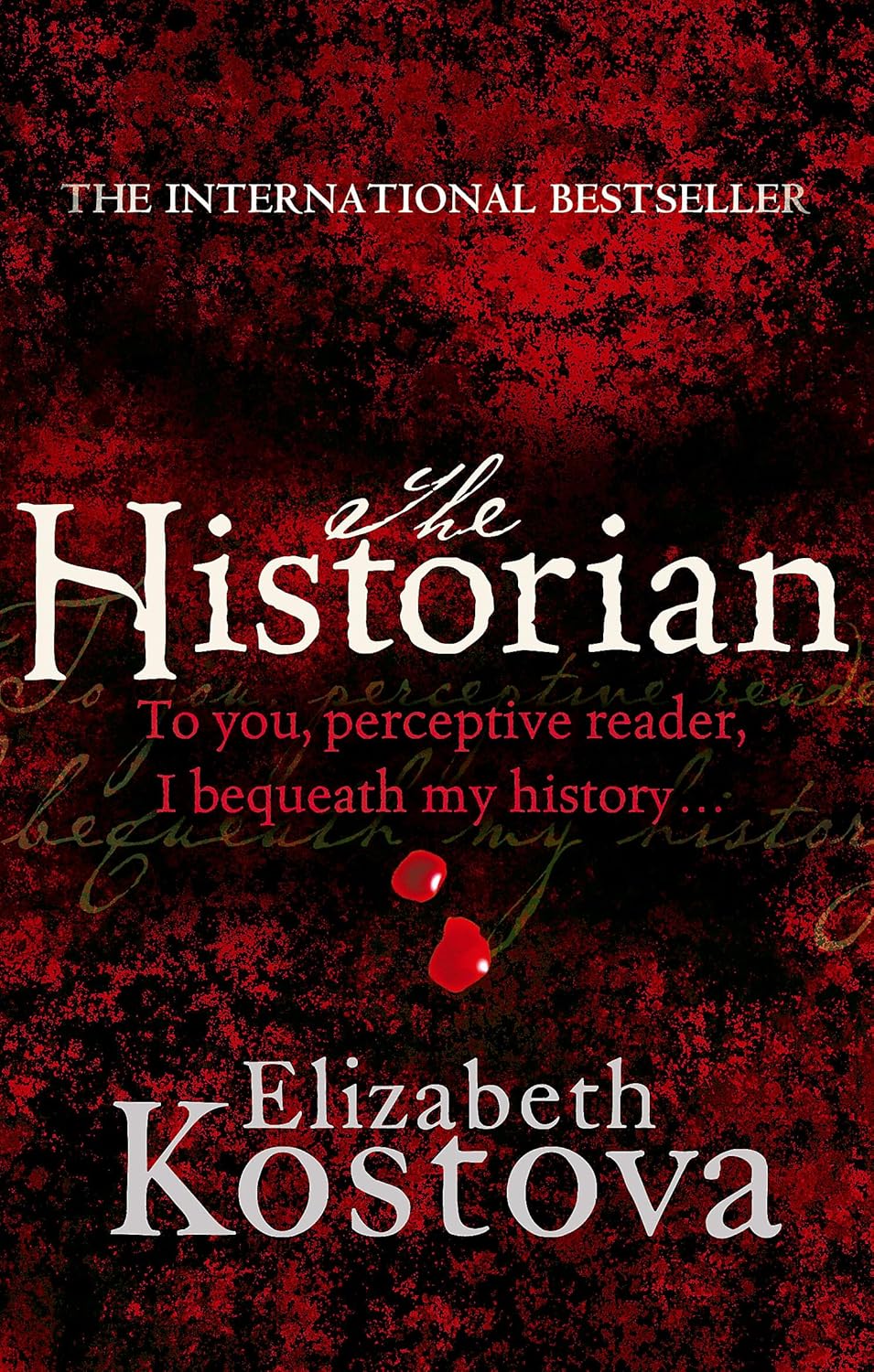
About The Historian by Elizabeth Kostova: A Dark Search Through Dracula’s History and Hidden Europe
The Historian by Elizabeth Kostova begins when a young woman finds an ancient book in her father’s library. Inside is a strange dragon image. Old letters addressed to “My dear and unfortunate successor” carry a warning across centuries.
Her father, Paul, reveals a secret search from his student years. His professor, Bartholomew Rossi, followed clues about Vlad the Impaler, the ruler connected to Dracula. Rossi disappeared, and Paul searched for him. Now the danger may be returning.
Her father soon vanishes, her mother’s past holds unanswered questions, and the letters point toward a living evil. The daughter follows the trail through libraries, archives, old cities, and remote monasteries.
When ordinary vampire stories feel too simple
Some vampire books give little history. Some historical novels lack suspense. This story joins research, travel, family secrets, and Gothic fear in a mystery that feels large and real.
Dracula is more than a monster in a castle. His shadow appears through books, maps, missing records, old beliefs, and people who want the past buried. A quiet reading room can feel as dangerous as a dark road.
The book suits readers who want thoughtful horror. Fear grows slowly, giving places and people time to matter. Kostova creates the feeling that evil may be watching from every document.
What is The Historian about?
At heart, the novel follows a family caught in a long hunt for Dracula. The unnamed narrator wants to understand her father’s silence and mother’s fate. Her search enters the earlier journey of Paul and Helen, two scholars following Rossi’s trail.
The story moves through different times and voices. Letters open stories within stories. Readers learn the past through papers, testimony, missing pieces, and careful comparison.
What if Vlad the Impaler did not end with history? What if Dracula continued through the centuries and used scholars, libraries, and hidden knowledge for his purpose? The answer joins personal loss with an older struggle.
A mystery built from books and letters
Knowledge is the main tool. Characters read documents, study maps, compare stories, visit archives, and ask experts for help. One mark or forgotten name can change the journey.
Letters let voices from another time speak directly. They also create doubt. A letter may be honest, incomplete, or fearful. Readers must decide what to trust beside the characters.
Research gives the novel its special mood. Books can call a person into danger. Libraries hold both protection and threat. History feels alive enough to change those who study it.
Three generations follow one dark trail
The plot grows across connected journeys. Rossi begins the search. Years later, Paul receives a similar book and enters the mystery. The young narrator inherits their questions.
Each generation tries to solve the problem but finds gaps left by earlier searchers. The past is never fully finished. It waits for someone to open the right letter.
Family love gives the mystery its heart. The daughter wants her father back and needs to learn what happened to her mother. Paul’s search is also tied to trust, danger, and loss.
Travel through a beautiful and uneasy Europe
The search crosses cities, villages, universities, forests, and religious sites. Istanbul, Budapest, and Eastern Europe become important stops. Dusty libraries and hidden monasteries may hold the next clue.
Streets, trains, landscapes, churches, and local stories create a strong sense of place. Beauty and danger stand together. A peaceful town may hide violence, while a welcoming room may show that someone arrived first.
History changes from place to place. A ruler remembered as a defender in one culture may be a monster elsewhere. Names, languages, borders, and faiths shape each story. The characters must listen closely.
Meet Vlad the Impaler behind the legend
Vlad III, called Vlad the Impaler, was a real fifteenth-century ruler. His violent reputation became linked with the fictional Count Dracula. The novel uses this connection without claiming to be a textbook.
Real events and places mix with imagined letters, secret groups, supernatural danger, and fictional lives. The story feels possible without being a factual biography. Known history and dark legend meet.
Kostova’s Dracula is tied to power and knowledge. He values records and fears people who search well. This gives scholars a heroic role and makes research feel brave.
Suspense that grows one clue at a time
This slow-building novel creates tension through discovery. A letter appears. A person disappears. A mark returns elsewhere. Someone helpful may know more than they admit. Each answer opens another question.
The pace lets readers imagine danger before seeing it. Fear comes from waiting, travelling, reading, and sensing that an enemy is close. Violence feels stronger after so much quiet pressure.
Some readers may find parts detailed. Those who love atmosphere, research, and layered mysteries may enjoy the patient movement. The world feels deep enough to enter and hard to leave.
History, faith, and the shape of evil
The novel asks whether evil belongs only to the past or survives through ideas, fear, and human choices. Dracula becomes a supernatural threat and a symbol of power that refuses to die.
The characters move among Christian, Muslim, and local histories while following Ottoman and European paths connected to Vlad. Monasteries, churches, old texts, and sacred customs hold clues and questions.
The region holds layers of memory and disagreement. People protect different versions of events. The search feels human because every place carries wounds, loyalties, and stories.
Why the family mystery matters
The missing father turns a clever puzzle into a personal search. Each document may bring the daughter closer to Paul, but it may reveal something he hid.
Her mother’s absence creates another gap. The narrator learns that adults may hide truth to protect a child, even when silence creates another kind of pain.
The goal is not simply to prove whether Dracula lives. It is to bring a broken family story into the light and learn what love survives after years of fear.
What makes this novel memorable
- A family mystery gives the Dracula hunt a personal heart.
- Letters and old books create a rich story within a story.
- Several timelines show how the same danger reaches different generations.
- Libraries, archives, and monasteries become places of real suspense.
- European travel adds beauty, culture, and an uneasy Gothic mood.
- Real history and vampire legend are blended without becoming a textbook.
- Scholars use reading, language, and research as tools against evil.
- Slow-building fear rewards readers who enjoy atmosphere and detail.
The result is part historical thriller, part Gothic horror, part mystery, part travel story, and part family drama. It gives readers more than one reason to keep turning pages.
What readers can gain from the journey
First, the book can awaken interest in history. Readers may want to learn more about Vlad the Impaler, the Ottoman world, Balkan history, medieval religion, or the growth of the Dracula legend. The novel offers a door, not a final lesson.
Second, it shows the power of patient research. The characters rarely receive easy answers. They compare sources, question memories, and follow small signs. This can make readers look differently at how knowledge is found and protected.
Third, the novel offers a full escape. Its old cities, train journeys, secret rooms, distant libraries, and hidden danger can make the everyday world fade for a while. Even after the final page, many places and images remain vivid.
Good moments to open this book
Choose The Historian for a long weekend, a quiet holiday, or a rainy season when you want a large story. It works best when you can read steadily and remember the links among letters, names, and time periods.
It is a strong choice for book clubs because readers can discuss history, myth, family silence, faith, travel, and the meaning of evil. Students of Gothic fiction can compare it with Bram Stoker’s Dracula. Mystery readers can study how documents and nested stories control suspense.
Readers who enjoy maps can trace the route as the search moves from one country to another. This small activity makes the journey clearer and helps separate the different time periods. A notebook can hold names, dates, and clues without spoiling the mystery. In a book club, each member can choose one setting or historical question to explore. These simple habits make a long novel easier to follow and keep the pleasure of discovery alive from the opening mystery to the final confrontation during a long, quiet weekend session.
The novel also makes a thoughtful gift for readers who enjoy dark academia, old libraries, European settings, historical puzzles, or serious vampire fiction. It offers plenty to discuss without requiring special knowledge before the first page.
Who will enjoy it most?
This book is best for readers who enjoy long, detailed novels with careful atmosphere. Fans of historical thrillers, Gothic mysteries, literary horror, travel writing, and family secrets will find many familiar pleasures.
It may not suit someone looking for a light romance or nonstop action. The novel contains academic research, long letters, historical detail, death, blood, frightening threats, and moments of violence. Its mood is dark, but much of the fear is quiet rather than graphic.
The Historian is fiction, not a factual biography of Vlad the Impaler. Readers should enjoy the historical setting while remembering that supernatural events, characters, documents, and secret plots are part of Kostova’s imagination.
A comfortable copy for a long reading journey
Bookish Wonderland offers a reader-friendly copy designed for long sessions and repeat reading.
- Premium eye-soothing cream paper gives each page a soft look.
- Crystal-clear print keeps letters, names, and historical details easy to follow.
- High-quality stitched and glue binding supports longer book life.
- A durable finish helps protect the copy on a reading table or shelf.
These features make the book suitable for personal reading, a home library, study, book-club discussion, or a memorable gift.
Easy ordering from Bookish Wonderland
When comparing the Book price in Bangladesh for The Historian by Elizabeth Kostova, consider the paper, clear printing, strong binding, and delivery service along with the cost. A long novel should feel comfortable from the first letter to the final discovery.
Cash on Delivery is available nationwide, with delivery inside and outside Dhaka. Fast or urgent delivery is available in Dhaka when you need the book quickly. Contact Bookish Wonderland through Facebook or Instagram for the current price, stock, delivery time, or customization support.
Follow the letters into the darkness
A dragon-marked book. A pile of old letters. A missing professor. A father who knows too much. The Historian turns these clues into a journey where every library door may lead closer to Dracula.
Read it for the Gothic fear, then stay for the family secrets, beautiful places, and patient search through history. Let the letters carry you from one generation to the next until the truth finally steps out of the shadows.
Order The Historian by Elizabeth Kostova from Bookish Wonderland today. Bring home a bestselling historical thriller that makes books dangerous, scholars brave, and the legend of Dracula feel alive again.
If you require any customization or have any questions, please inbox us via FB or Insta.
| Primary Specification | |
| Author | Elizabeth Kostova |
| Narrator | Justine Eyre, Paul Michael |
| Editor | Fearn Cutler de Vicg |
| Genre | Gothic Fiction, Historical Fiction, Mystery, Thriller, Literary Fiction, Vampire Fiction |
| ISBN-13/ISSN | 978-0316070638 |
| ISBN-10 | 9780316070638 |
| Publisher | Little, Brown Paperbacks |
| Publishing Date | September 1, 2009 |
| Language | English |
| Reading Age | 16+ |
| Format | Printed Book |
| Physical Specification & Quality | |
| Paper Quality | Premium eye-soothing cream paper |
| Binding Quality | High quality stitched and glue binding (for longevity) |
| Print Quality | Crystal-clear print |
| Pages | 720 pages |
| Country | USA |
| Logistics Information | |
| Weight | 743 gm |
| Length | 8.5 inches |
| Width | 5.6 inches |
| Height | 1.5 inch |