

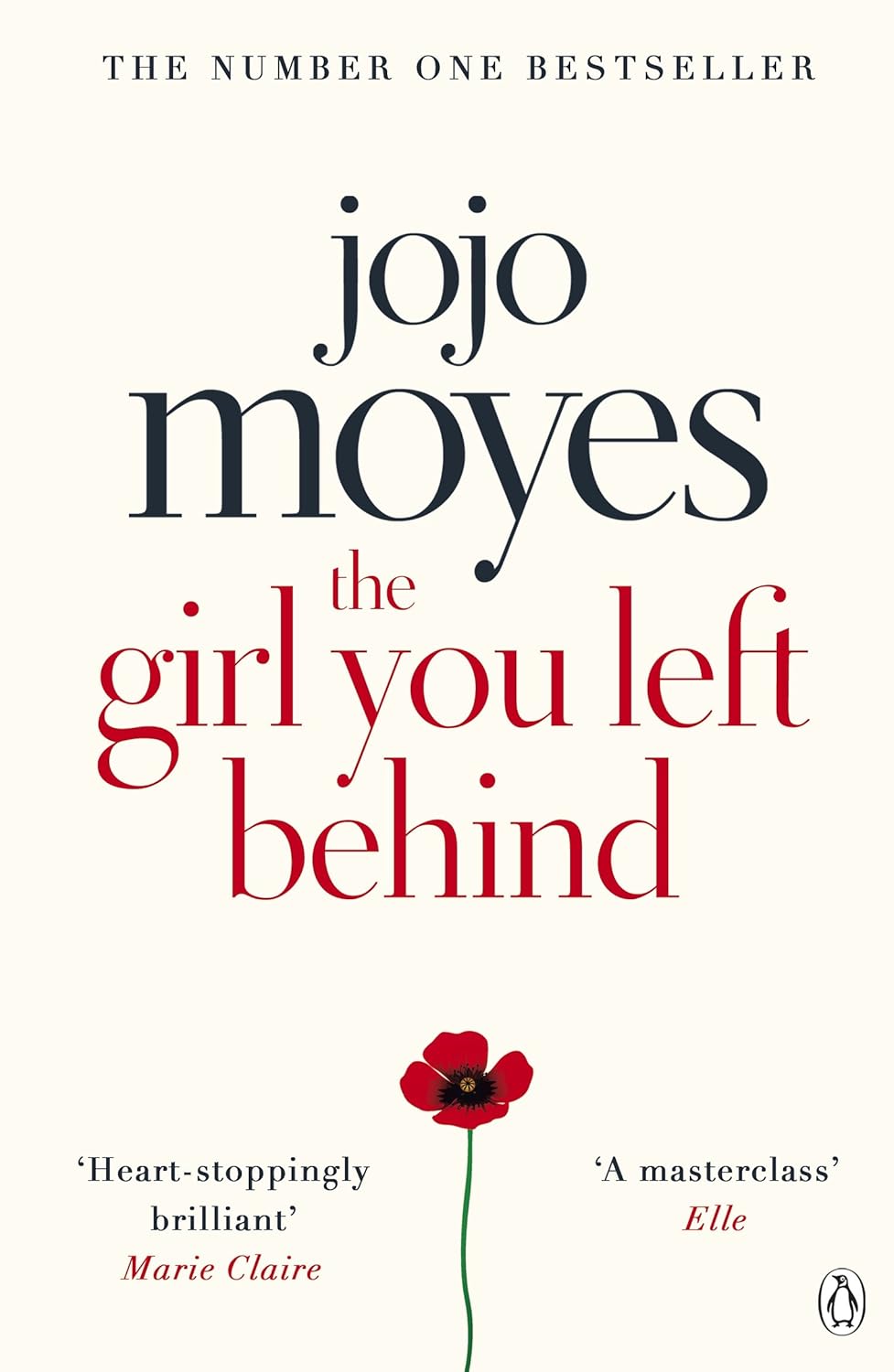
About The Girl You Left Behind Book by Jojo Moyes—A Powerful Story of Love, War and Sacrifice
Some love stories begin with a meeting. This one begins with a painting.
The Girl You Left Behind Book by Jojo Moyes is a moving historical romance that connects two women living almost one hundred years apart. One woman is trapped in a French town during the First World War. The other is trying to rebuild her life in modern London. A beautiful portrait brings their lives together and creates a painful fight about love, loss, ownership and justice.
Jojo Moyes tells both stories with warmth, mystery and strong emotion. The book moves between occupied France and present-day England without losing its human heart. Every part of the story asks an important question: How much would you risk for someone or something you truly love?
At Bookish Wonderland, this emotional novel comes in a premium printed format made for comfortable reading and long-term use. It features eye-soothing cream paper, crystal-clear printing and high-quality stitched and glue binding. It is a fine choice for personal reading, thoughtful gifts and home book collections.
Two Women Connected by One Mysterious Painting
France, 1916. Sophie Lefèvre lives in the small town of St. Péronne while German forces occupy the area. Her husband, Édouard, is a gifted French artist who has gone to fight in the war. Sophie does not know when, or even whether, he will return.
Sophie stays with her sister, Hélène, and helps run their family hotel, Le Coq Rouge. Life under occupation is full of fear. Food is hard to find, personal belongings can be taken, and even a small act may bring punishment. The people around Sophie are hungry, tired and frightened, yet she works hard to protect her family and preserve their hope.
Inside the hotel hangs a portrait of Sophie painted by Édouard. The painting shows the bright, brave woman she was before the war changed everything. It is more than a picture. It holds memories of her marriage, her old life and the man she still loves.
When a German Kommandant sees the portrait, he becomes deeply interested in it. His attention places Sophie in a dangerous position. She soon faces a painful choice that could affect her family, her name and her chance of seeing Édouard again.
Almost a century later, the same portrait hangs inside Liv Halston’s London home. Liv received it from her husband, David, before his sudden death. The painting is one of her strongest links to the life they shared.
Liv is still living inside her grief. She has a beautiful glass house, but she feels alone in it. Money is becoming a serious problem, and moving forward seems almost impossible. Then she meets Paul McCafferty and slowly begins to feel that life may offer her another chance.
However, Paul’s work involves finding art that may have been taken during wars. When the history of Liv’s painting comes into question, the new bond between them faces a painful test. Liv must defend an object filled with personal memories while another family claims that the painting belongs to them.
The result is an emotional struggle that reaches across generations.
When Grief Makes It Hard to Move Forward
Losing someone can make the whole world feel empty. A familiar room may become painful, and a simple object can carry years of memories. Liv understands this feeling. The portrait is not only something hanging on her wall. It represents David, their marriage and one of the happiest times of her life.
But Sophie’s story gives the same painting a much older and darker meaning.
This creates the main problem at the heart of the novel: two sides can both feel that they are right. One side sees the painting as a final gift from a loved one. The other sees it as a piece of family history that may have been lost during wartime.
Jojo Moyes does not offer a quick or easy answer. Instead, she lets readers understand the pain on both sides. Through Sophie and Liv, the novel shows that love may remain inside a place or object long after a person is gone.
Readers who feel stuck after loss may find comfort in Liv’s journey. Her story does not say that grief disappears. It shows that a person can carry love from the past while slowly making room for a new future.
A Wartime Story Filled with Courage and Difficult Choices
Sophie’s world is shaped by hunger, fear and strict control. She must think carefully before she speaks or acts. Her family depends on her, and the people in her town watch one another closely. A choice made for love may appear very different to people who do not know the full truth.
This part of the book shows how war changes ordinary life. Sophie is not a soldier, yet she fights every day. She fights to find food, protect children, keep the hotel open and preserve hope. Her courage comes from love rather than physical strength.
The German Kommandant’s interest in her portrait makes her situation even more dangerous. Sophie knows that he may have information about Édouard. She also knows that trusting an enemy officer could cost her everything.
Her decision raises hard questions. Can a desperate act be understood without knowing the fear behind it? Should a person be judged by what others see, or by the reason hidden inside the heart? How far can someone go to save a loved one?
These questions make Sophie’s story powerful. Readers do not simply watch history from a safe distance. They experience the pressure of each decision with her.
More Than a Simple Romance
The Girl You Left Behind is often described as a love story, but the novel contains much more than romance. It brings together historical fiction, family drama, mystery and a modern legal dispute.
The First World War setting gives the story danger and weight. The mystery surrounding Sophie and the portrait encourages readers to keep searching for answers. Liv’s life adds a modern story about grief, money, trust and the fear of loving again.
The book also explores the ownership of art taken or lost during war. A painting can have a financial price, but its emotional value may be much greater. Documents may show where an object travelled, yet they cannot easily measure the memories attached to it.
This mix gives the novel broad appeal. Historical-fiction readers can explore life under occupation. Romance readers can follow two very different love stories. Mystery lovers can search for the truth about the portrait, while book clubs can discuss justice, sacrifice and moral choices.
Why the Dual Timeline Works So Well
A story with two timelines can sometimes feel confusing. Jojo Moyes makes the connection easy to follow by placing the portrait at the centre of both lives.
Sophie’s chapters explain where the painting came from and why it matters. Liv’s chapters show what happens when this private object becomes part of a public fight. Each timeline gives the other one more meaning.
The reader knows that the portrait survived, but many questions remain. What happened to Sophie? Did she see Édouard again? How did the painting leave France? Who has the strongest right to own it? Can Liv protect the work without ignoring the pain of another family?
These questions create steady suspense. New details from the past can change how the present is understood. Information discovered in London can also make readers question what they believed about Sophie.
The structure allows the book to feel both large and personal. It moves across a century, yet the central emotions remain simple: love, fear, grief, hope and the need to know the truth.
Characters Who Feel Human
Sophie is courageous, but she is not shown as perfect. She feels fear, makes risky choices and carries a strong love for her husband. Her strength comes from continuing even when every option appears painful.
Liv is also flawed in a believable way. She can be stubborn, lonely and deeply attached to her past. Her refusal to surrender the portrait may seem difficult to some people, but the story explains why letting it go feels like losing David once again.
Paul adds another layer to the conflict. His professional duty places him against Liv even as their personal connection becomes stronger. This creates more than a simple romantic problem. It forces both characters to ask whether trust can survive when their goals are opposed.
Supporting characters bring family pressure, friendship, humour and different ideas about justice. Some judge quickly, while others search for facts. Their reactions show how public opinion can simplify a private and painful story.
No one needs to be a perfect hero or a complete villain for the conflict to work. That is one reason the novel feels emotionally true.
What You May Feel While Reading
This is the kind of book that can create several feelings at once. Sophie’s chapters may bring fear and anger because her family has so little control over its own life. Liv’s chapters may bring sadness, hope and frustration as she struggles with grief and the ownership case.
There are tender moments, but the story is not light all the way through. It deals with wartime hardship, loss, public judgment and painful choices. These serious subjects give the romance more depth.
Readers may find themselves changing sides as new facts appear. One chapter may make Liv’s position feel completely fair. Another may reveal why the opposing claim cannot be ignored.
The mystery also creates a strong wish to continue. The truth is not given at once. It is uncovered through stories, records, memories and evidence. This makes the final part satisfying for readers who enjoy emotional novels with secrets to solve.
What Makes This Book Worth Reading?
The book gives readers several experiences inside one story:
-
A vivid journey into German-occupied France during the First World War
-
Two moving stories about women fighting for what they love
-
A mystery built around a valuable and deeply personal portrait
-
A modern dispute involving art ownership and wartime loss
-
Romance shaped by trust, separation, grief and second chances
-
Difficult moral questions without simple answers
-
Strong themes for book-club conversations
-
A story that connects private memories with major historical events
The plot has emotional depth without becoming difficult to understand. Jojo Moyes uses clear storytelling to make large subjects feel personal. Readers do not need detailed knowledge of war history or art law before starting the book.
A Comfortable Premium Edition from Bookish Wonderland
A long emotional novel should be comfortable to hold and easy to read. This Bookish Wonderland edition is prepared for readers who care about both the story and the physical quality of their books.
Premium eye-soothing cream paper gives each page a soft appearance. The warm paper tone is more relaxing than a harsh bright-white surface, making it suitable for long reading sessions during the day or at night.
Crystal-clear printing keeps the letters sharp and clean. Readers can follow the changing timelines without being distracted by weak, blurred or uneven text.
High-quality stitched and glue binding provides additional support for the pages. This strong construction helps the book remain secure through repeated reading, careful travel and long-term shelf storage.
These features are combined in one durable printed book. They are especially helpful for readers who like to reread favourite scenes, lend books to trusted friends or build a lasting home library.
Benefits for Different Kinds of Readers
Historical-fiction lovers can experience civilian life in occupied France through an intimate family story. The novel focuses on people rather than dates alone, helping the historical setting feel close and real.
Romance readers receive two forms of love. Sophie’s marriage is tested by separation and war, while Liv must decide whether she can open her heart after losing her husband.
Mystery readers can follow the hidden journey of the portrait. The gradual search for evidence adds suspense without turning the story into a hard or violent crime novel.
Readers dealing with grief may connect with Liv’s attachment to her home and the painting. Her experience shows how memories can bring comfort while also making change difficult.
Book clubs can discuss whether legal ownership and moral ownership are always the same. Members can also debate Sophie’s choices, Liv’s actions and the value people place on art.
Gift buyers can choose this book for someone who enjoys Jojo Moyes, emotional fiction, wartime stories or novels about strong women.
Perfect for Quiet Reading and Meaningful Gifts
The Girl You Left Behind is ideal for a peaceful weekend, a holiday reading list or a quiet evening at home. Its mystery encourages steady reading, while its emotional themes give readers something to consider after the last page.
It can be a thoughtful gift for a spouse, friend, sister, mother, teacher or book lover. The story may appeal especially to readers who enjoyed Me Before You but want a novel with a larger historical setting and an art mystery.
It is also useful for reading groups. Questions about sacrifice, loyalty, judgment and ownership can support a full discussion. Different readers may defend different characters, making the conversation more interesting.
Anyone searching for The Girl You Left Behind by Jojo Moyes price in Bangladesh can order this premium edition from Bookish Wonderland. Nationwide delivery makes the book available to readers inside and outside Dhaka, while cash on delivery offers a simple way to pay.
Order your copy from Bookish Wonderland and enjoy this moving novel in a reader-friendly premium format. Cash on delivery is available nationwide, with delivery inside and outside Dhaka. Fast or urgent delivery may also be available within Dhaka.
If you require any customization or have any questions, please inbox us via FB or Insta.
| Primary Specification | |
| Author | Jojo Moyes |
| Narrator | Clare Corbett, Penny Rawlins |
| Editor | Carla Bolte |
| Genre | Historical Fiction, Romance, Women’s Fiction, Contemporary Fiction |
| ISBN-13/ISSN | 978-0143125778 |
| ISBN-10 | 014312577X |
| Publisher | Penguin Books |
| Publishing Date | June 24, 2014 |
| Language | English |
| Reading Age | 18+ years |
| Format | Printed book |
| Physical Specification & Quality | |
| Paper Quality | Premium eye-soothing cream paper |
| Binding Quality | High quality stitched and glue binding (for longevity) |
| Print Quality | Crystal-clear print |
| Pages | 480 pages |
| Country | United States |
| Logistics Information | |
| Weight | 501 gm |
| Length | 8.5 inches |
| Width | 6.5 inches |
| Height | 5.5 inches |