

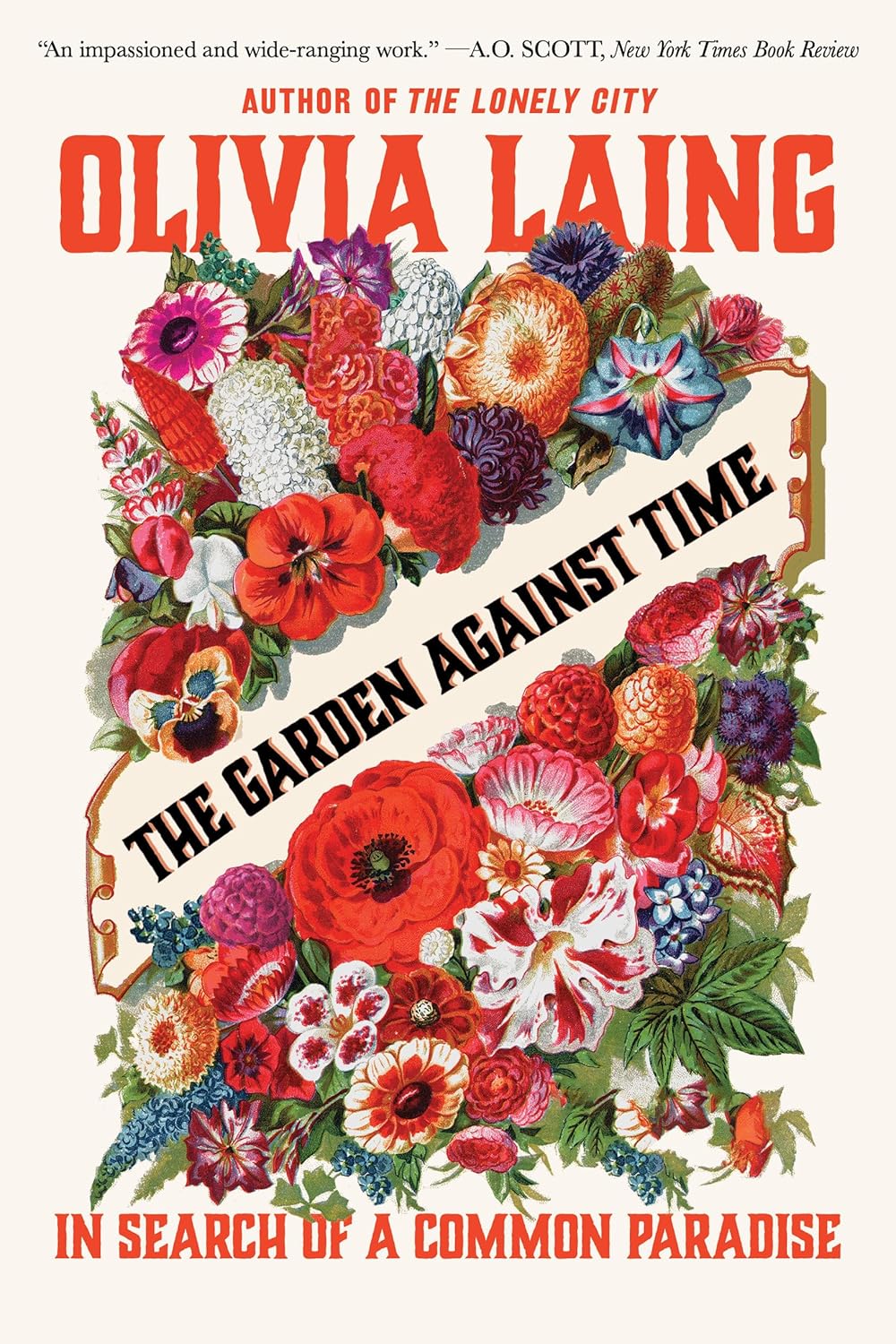
About The Garden Against Time by Olivia Laing: A Beautiful Search for a Shared Paradise
What can a garden tell us about beauty, power, loss, and hope? In The Garden Against Time by Olivia Laing, one piece of land opens the door to all these questions. In 2020, Laing began caring for an old walled garden in Suffolk, England. It was full of rare plants, hidden paths, weeds, damage, and signs of the people who had shaped it before. As she cleared, planted, watched, and waited, she started to think about why people have always dreamed of paradise as a garden.
This is not a simple guide to growing flowers. It is a warm mix of memoir, nature writing, history, art, literature, and social thought. Laing moves from her own garden to famous gardens, poems, wars, old estates, and shared spaces. She asks who has been allowed to enjoy beauty and who has paid the hidden price for it. The result is thoughtful, alive, and full of colour. It can make you look at every wall, tree, flower, and patch of earth in a new way.
A Nature Book with Something More to Say
Many garden books explain what to plant or how to care for the soil. That is useful, but some readers want more. They want to know why gardens matter to the heart and to society. They may also feel tired of books that show nature as a pretty escape while ignoring the hard world outside.
Laing offers a richer answer. A garden can be a safe place, but it can show wealth, control, and exclusion. A wall may protect what grows inside, yet it can keep other people out. An estate may look peaceful, even when its beauty was paid for by cruel labour or stolen land. At the same time, a garden may feed a community, shelter people during war, support insects, or become a place where new ways of living can begin. It ties them to plants and people.
Restoring a Place While the World Changes
The story begins during the COVID-19 pandemic, when life outside the garden feels unsure. Laing and her husband have moved to a house with an eighteenth-century walled garden. The garden was once designed by Mark Rumary, but it has become overgrown. Its rooms, ponds, hedges, fruit trees, and unusual plants need care. Laing starts the slow work of bringing it back.
There are weeds to pull, branches to cut, beds to plan, and plants to understand. Heat, disease, weather, and time do not follow human plans. Some choices work; others fail. This honest view of gardening gives the book its pulse. A garden is never finished. It grows, breaks, rests, and returns. The person caring for it must learn to notice small changes and accept surprise.
Around this personal story, Laing travels through history and imagination. John Milton's Paradise Lost helps her explore the old dream of Eden. Poet John Clare leads her toward the pain caused when common land was enclosed and taken from ordinary people. William Morris offers a hope for useful beauty that can be shared. Derek Jarman's garden at Dungeness shows how life and art can rise in a harsh place. Iris Origo's Italian garden becomes part of a story about shelter and courage during the Second World War.
Beauty, Power, and the Question of Ownership
One of the book's strongest ideas is also one of its easiest to understand: beauty is never fully separate from the way people live. A private garden may bring peace to its owner, but where did the money and land come from? Who worked there? Who was moved away? Who is welcome now?
Laing looks closely at grand English gardens and the systems behind them. Some were shaped by money linked to slavery, empire, and the removal of rural people from shared land. Smooth lawns and wide views can hide painful stories. By bringing those stories back, Laing does not ask readers to stop loving gardens. She asks them to love with open eyes.
That balance makes the book rewarding. It refuses two easy ideas: that every beautiful garden is innocent, or that beauty has no value because history is troubled. Instead, Laing searches for a better kind of paradise, one built through care, fairness, welcome, and shared life. This question matters far beyond gardening. It touches homes, cities, public parks, climate, food, wealth, and the kind of future people want to make together.
A Garden Filled with Writers, Artists, and Rebels
Readers who enjoy books about culture will find many paths to follow. Laing brings writers, artists, gardeners, and political dreamers into the same living space. Their lives do not appear as a dull list of names. Each person helps answer a part of the main question: can paradise belong to everyone?
Milton writes about Eden, freedom, temptation, and loss. Clare mourns land and ways of life changed by enclosure. Morris joins art with the dream of a fairer society. Jarman makes a bright, strange garden beside the sea, proving that creation can stand against fear and illness. Origo uses land not only for pleasure, but also to help people in danger. The Diggers imagine the earth as a common treasure and try to grow food together.
These stories make the book feel wide without losing its centre. Again and again, it returns to soil, labour, weather, and care. Ideas are shown through real choices. Who plants? Who owns? Who eats? Who is protected? What survives? The reader is invited to think, not told what to think.
Writing That Feels Lush and Alive
Olivia Laing is known for joining personal experience with art, history, and big social questions. Here, that style fits the subject very well. The prose moves like a walk through a garden. One turn may reveal a flower; the next may open onto a poem, an old injustice, a private memory, or a bold hope for the future.
This is best read at a calm pace. It is not built around a quick plot or a single straight argument. Its pleasure comes from links that slowly appear. A detail in the garden may echo a life from centuries ago. A wall may become a sign of both safety and control. A dead plant may lead to a thought about grief, while new growth can suggest another chance. Readers who like to pause, underline, and return to a page may find much to keep.
Features of This Bookish Wonderland Edition
- Premium eye-soothing cream paper gives the pages a soft look and helps make long reading sessions easier.
- Crystal-clear printing keeps every line sharp, clean, and simple to read.
- High-quality stitched and glue binding adds strength, so the pages remain secure through regular use.
- A durable finish makes the book suitable for a home shelf, reading corner, study table, or thoughtful gift.
If you are checking the book price in Bangladesh for The Garden Against Time by Olivia Laing, look beyond the cover alone. Clear print, comfortable paper, and strong binding add lasting value to every reading session.
What You May Carry Away from It
This book can change the way you see an ordinary patch of green. A small balcony plant, a village field, a city park, or a family garden may begin to feel connected to larger stories. You may notice how land is divided, how public space is shared, and how care can repair what neglect has harmed.
It can also give language to a common feeling. Many people go to nature when the world feels loud, fast, or frightening. Laing understands that wish for shelter. Yet she gently shows that a true refuge does not have to close its eyes to other lives. Rest and responsibility can grow beside each other.
For gardeners, the book offers company during the slow work of tending plants. For readers of history, it shows how power can be written into a landscape. For lovers of literature and art, it builds fresh links between famous works and daily life. For anyone thinking about climate change, it presents gardens as small places where choices about water, species, access, and care become real.
The deepest benefit may be hope without false comfort. Laing does not promise that planting flowers will solve every problem. She shows that care still matters because living things respond to attention. A garden cannot stop time, but it can teach people to live inside time with patience and purpose.
Who Will Enjoy This Book?
The Garden Against Time is a strong choice for readers who enjoy thoughtful nonfiction with a personal voice. It may suit you if you like nature writing, memoir, cultural history, literary criticism, social history, art, or books about place. Fans of Olivia Laing's The Lonely City, Everybody, and Funny Weather will recognise her gift for joining private life with larger ideas.
It is also a good choice for gardeners who want reflection rather than a practical manual. The book will not teach a beginner how deep to plant every seed. Instead, it explains why the act of planting can carry memory, desire, conflict, and hope. Readers interested in public parks, land rights, community growing, environmental care, or the history of English estates may find especially rich material.
Because the book includes slavery, war, illness, exclusion, and loss, it is not always a light garden escape. Still, its mood is not without joy. Flowers bloom, people create, damaged places change, and beauty remains possible. Adult readers and mature older teens who enjoy serious ideas are likely to gain the most from it.
A Book for Slow Mornings and Thoughtful Talks
Read it beside a window, in a garden, or with tea during a quiet afternoon. Take one chapter at a time and let the ideas settle. Keep a pencil nearby if you enjoy marking lines or noting books, writers, artists, and gardens to explore later.
It can work well for a book club because it offers many clear questions. Can a private paradise ever be fair? Does beauty hide power, or can it challenge power? What do people owe to the land they use? Should gardens protect wildness, feed people, provide rest, or do all three? Different readers may leave with different answers, which can lead to a lively and useful talk.
The book can also inspire a personal project. You might begin a small garden journal, learn the history of a nearby park, grow a plant for insects, visit a shared garden, or simply pay closer attention to the changes outside. No large garden is needed. The central practice is care.
Recognition Worth Knowing
The full title is The Garden Against Time: In Search of a Common Paradise. It is a standalone work, not a volume in a series, so it can be read without any earlier book. It was shortlisted for the 2024 Wainwright Prize for Nature Writing and became a finalist for the 2024 Kirkus Prize in nonfiction. These honours reflect the book's rare mix of personal warmth, research, natural detail, and serious thought.
Order from Bookish Wonderland
The Garden Against Time by Olivia Laing is for anyone who has looked at a beautiful place and wondered what it took to make it. It celebrates flowers, colour, labour, and shelter, while asking who gets to share them. The book is tender without being simple and critical without losing its sense of wonder.
Order from Bookish Wonderland for cash on delivery across Bangladesh. Delivery is available inside and outside Dhaka, with a fast or urgent delivery option in Dhaka when available. If you have a question or need help with your order, contact Bookish Wonderland through Facebook or Instagram.
Choose a book that can brighten your shelf and deepen the way you see the ground beneath your feet. Add your copy today, step through its garden gate, and discover how a cared-for place can hold history, beauty, pain, and hope at the same time.
If you require any customization or have any questions, please inbox us via FB or Insta.
| Primary Specification | |
| Author | Olivia Laing |
| Narrator | Olivia Laing |
| Genre | Nature Writing, Memoir, Gardening, Cultural History, Literary Criticism, Environmental Nonfiction |
| ISBN-13/ISSN | 978-1324110385 |
| ISBN-10 | 1324110384 |
| Publisher | W. W. Norton & Company |
| Publishing Date | May 6, 2025 |
| Language | English |
| Reading Age | 16+ |
| Format | Printed Book |
| Physical Specification & Quality | |
| Paper Quality | Premium eye-soothing cream paper |
| Binding Quality | High quality stitched and glue binding (for longevity) |
| Print Quality | Crystal-clear print |
| Pages | 336 pages |
| Country | USA |
| Logistics Information | |
| Weight | 358 gm |
| Length | 8.5 inches |
| Width | 5.6 inches |
| Height | 0.8 inch |