

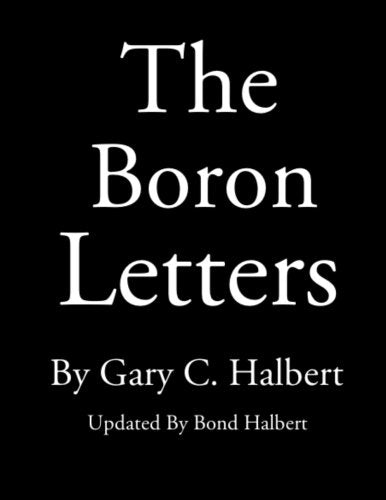
About The Boron Letters Book by Gary Halbert: Timeless Copywriting, Marketing, and Life Lessons from Father to Son
The Boron Letters Book by Gary Halbert is a personal guide to copywriting, direct marketing, discipline, and clear thinking. It began as a series of letters from Gary C. Halbert to his youngest son, Bond. Halbert wrote them in 1984 while staying at the Boron Federal Prison Camp in California. What started as advice for one son later became a popular marketing book.
These letters do not sound like a dry business class. Halbert writes as a father who wants his son to understand how people think, why they buy, how to choose a market, and how to build useful habits. He moves between business and life, joining lessons about sales letters with thoughts about exercise, food, enthusiasm, judgment, and personal responsibility.
When marketing advice feels too hard to use
Many marketing books give long lists of ideas but do not show where to begin. A new writer may learn about headlines, offers, buyers, and calls to action, yet still face a blank page. A small business owner may write many words about a product without giving the customer a clear reason to care.
Halbert offers a more direct path. He asks the reader to study the market, find people who already want a type of product, understand their wishes, and then write a clear message for them. The lesson is simple: good words matter, but the right audience and offer matter before the words can work.
Because the book uses letters, the teaching feels like a talk rather than a lecture. One idea leads naturally to the next. Halbert reviews points, gives examples, assigns practice, and explains why a method matters. This makes difficult marketing ideas feel easier to try.
What is The Boron Letters about?
The book explains how direct-response marketing works. Direct response asks a reader to take a clear action, such as sending an order, calling a number, or requesting more information. Halbert teaches how to attract attention, build interest, create desire, and guide the reader toward that action.
He also explores what must happen before writing begins. The marketer needs a product people want, a group likely to buy it, and an offer that feels valuable. Halbert spends time on mailing lists because reaching proven buyers can be more useful than sending a clever message to people who have no interest.
The letters also cover research, sales letter structure, benefits, proof, order instructions, practice, energy, and attitude. Personal stories keep the advice grounded. Instead of presenting success as a secret trick, the book shows the value of preparation, observation, repeated work, and learning from strong examples.
Learn why a strong list can beat strong copy
Halbert explains direct-mail lists through clear measures such as recency, frequency, and unit of sale. A recent buyer may be ready to buy again. A person who buys often shows steady interest. Someone who has already paid a similar price may be more open to the new offer.
This lesson helps marketers avoid wasting a message on the wrong crowd. Even fine copy can fail when it reaches people who do not want the product. Average writing can perform better when it reaches a group with a proven need.
Modern readers can apply the idea with care. A customer list should be used with permission and respect for privacy. Segments can be based on useful behaviour, such as past purchases or chosen email interests, without tricking or spying on people. The lasting principle is relevance: speak to people for whom the offer truly fits.
Turn attention into action with AIDA
The letters explain AIDA, a classic structure built from Attention, Interest, Desire, and Action. First, the message must earn notice. Next, it must give the reader a reason to continue. Then it should connect the offer with a result the reader wants. Finally, it must explain the next step.
This structure can make a sales page easier to plan. A headline gains attention. The opening builds interest by naming a problem. Benefits help the reader picture a better result. A clear button or order instruction asks for action.
Halbert stresses that the final instruction should be specific. A reader should not have to guess what to do, how to order, what to send, or when to act. That idea still helps with product pages, email campaigns, advertisements, landing pages, and social posts.
Write about benefits people can feel
A feature tells what a product has. A benefit tells why that feature matters to the buyer. Clear print is a feature; easier reading is the benefit. Fast delivery is a feature; receiving a needed gift on time is the benefit. Halbert’s teaching pushes writers to connect facts with human wants.
Good benefit writing does not require false promises. It requires a close look at the product and the customer. What task becomes easier? What worry becomes smaller? What pleasure grows? What time, effort, or money may be saved?
When the answer is real, the copy becomes more useful. The buyer can judge whether the offer fits. This is stronger than filling a page with praise because it turns a general claim into a clear result the customer can understand.
Research before touching the final draft
Halbert treats copywriting as work built on study. The writer needs to learn about the market, collect useful facts, examine successful promotions, and understand the customer before trying to sound clever. Research gives the message its raw material.
This can solve the blank-page problem. When writers do not know what to say, they may not need more inspiration. They may need more information. Customer reviews can reveal common worries. Support messages can reveal unanswered questions. Competitor pages can show what every seller says and where a clearer answer is needed.
Good research also protects trust. Claims should be checked, proof should be real, and limits should be stated. Halbert wrote in a bold sales style, but modern readers should join persuasive skill with honest evidence and fair treatment of customers.
Life advice makes the marketing lessons memorable
The letters move beyond advertising because Gary is writing to his son, not only to a business student. He talks about enthusiasm, work, relationships, ego, mistakes, and how to live without losing direction. The personal setting gives the book warmth.
Some opinions reflect Halbert’s era and personality. Readers do not need to accept every statement to gain value. They can compare his advice with present knowledge, keep the lessons supported by experience, and question ideas that feel dated or too broad.
This active reading makes the book richer. It becomes a conversation across time: a father offers what he believes, a son adds context in some editions, and the modern reader decides how each idea should be used now.
What makes this marketing classic useful
- Personal letters turn marketing lessons into an easy conversation.
- Audience research comes before clever writing or visual style.
- Mailing-list ideas teach the lasting value of relevant targeting.
- AIDA provides a clear path from attention to customer action.
- Benefit-focused writing joins product facts with buyer needs.
- Practical exercises encourage study, handwriting, and steady practice.
- Life lessons connect good work with energy and discipline.
- Short chapters make important ideas easy to revisit later.
The main benefit is a clearer way to think before writing. Readers learn to ask who the buyer is, what that person wants, why the offer matters, and what action should follow. Those questions can improve many forms of marketing without making the message confusing or full of empty claims.
Who should read The Boron Letters?
This book is a strong choice for copywriters, digital marketers, email writers, business owners, entrepreneurs, sales page writers, freelancers, and students of advertising. Product SEO writers can also use its lessons to turn search traffic into clear, helpful product pages.
Beginners may enjoy the friendly letter form because it removes some formal business language. Experienced writers can use the book to review basic principles and notice habits that have become weak. Business owners may gain a better way to judge copy written by a team or agency.
It works well for self-study, a marketing reading group, staff training, campaign planning, or a gift for someone starting a business. The best results come from completing the exercises and testing lessons on a real, ethical offer.
Read the old tactics with a modern eye
The letters were written in 1984, when direct mail, newspaper ads, order forms, and rented mailing lists were major tools. Some examples, prices, health ideas, and cultural views belong to that period. Readers should not treat every detail as current law or best practice.
The deeper principles are easier to carry forward: know the audience, choose a wanted offer, lead with a strong idea, show useful benefits, make the next step clear, and measure the response. Today these ideas can guide emails, websites, online ads, product listings, and landing pages.
Modern marketers must also follow current rules for privacy, consent, advertising claims, and customer protection. Use the book as a source of principles and practice, then check present laws and platform rules before running a campaign.
A durable copy for repeated study
Bookish Wonderland offers a reader-friendly copy designed for notes, practice, and later review.
- Premium eye-soothing cream paper gives every page a soft look.
- Crystal-clear printing keeps examples and instructions easy to read.
- High-quality stitched and glue binding supports longer book life.
- A durable finish helps protect the copy at work or on a shelf.
This edition suits personal learning, an office library, marketing workshops, team discussion, or a practical business gift. A useful marketing guide should remain comfortable when you return to a lesson, mark a framework, or compare it with a new campaign.
Easy ordering from Bookish Wonderland
When comparing the Book price in Bangladesh for The Boron Letters Book by Gary Halbert, consider print clarity, paper comfort, binding strength, and delivery help along with cost. A guide made for repeated study should stay pleasant to read as you return to its exercises and marketing ideas.
Cash on Delivery is available nationwide, with service inside and outside Dhaka. Fast or urgent delivery is available in Dhaka when the book is needed soon. Contact Bookish Wonderland through Facebook or Instagram for the current price, stock, edition, delivery time, or customization support.
Turn the next blank page into a clear message
Gary Halbert begins with a father’s wish to teach his son and builds a practical path through markets, lists, offers, benefits, copy, action, and daily discipline. The language is direct, the examples are easy to remember, and the lessons invite practice.
Read it to understand why the audience comes first. Keep it near your desk when a headline feels weak, an offer feels unclear, or a sales page has too many words and too little purpose. Test the principles honestly, learn from the response, and improve the next draft.
Order The Boron Letters Book by Gary Halbert from Bookish Wonderland today. Bring home a personal marketing classic that can help you study buyers, shape stronger offers, write clearer copy, and turn useful ideas into action.
If you require any customization or have any questions, please inbox us via FB or Insta.
| Primary Specification | |
| Author | Gary C. Halbert |
| Genre | Business & Economics, Direct Marketing, Copywriting, Advertising |
| ISBN-13/ISSN | 978-1484825983 |
| ISBN-10 | 1484825985 |
| Publisher | CreateSpace Independent Publishing Platform |
| Publishing Date | June 11, 2013 |
| Language | English |
| Reading Age | 16+ |
| Format | Printed Book |
| Physical Specification & Quality | |
| Paper Quality | Premium eye-soothing cream paper |
| Binding Quality | High quality stitched and glue binding (for longevity) |
| Print Quality | Crystal-clear print |
| Pages | 146 pages |
| Country | USA |
| Logistics Information | |
| Weight | 167 gm |
| Length | 8.5 inches |
| Width | 5.6 inches |
| Height | 0.33 inch |