

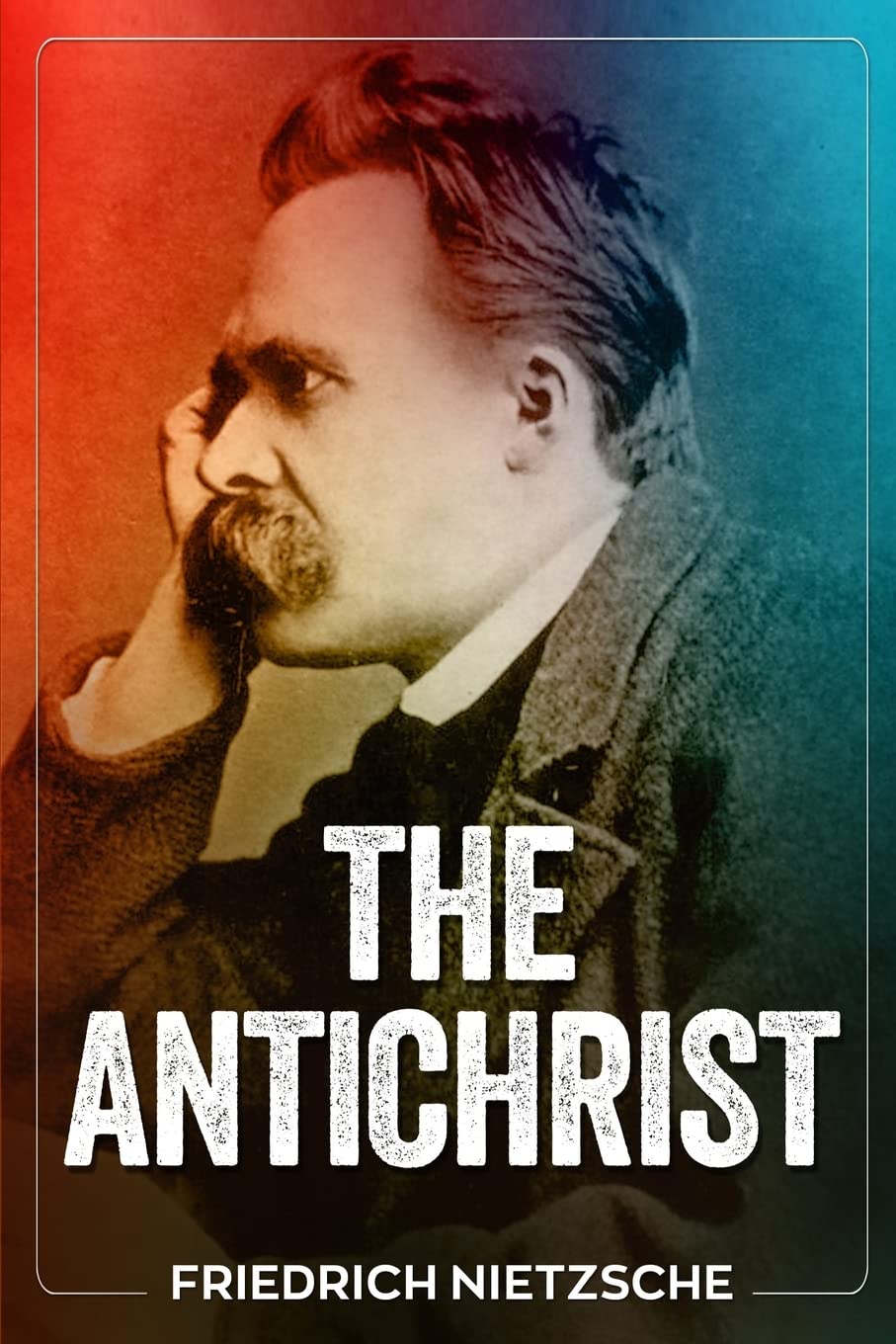
About The Antichrist Book by Friedrich Nietzsche – A Provocative Classic About Faith, Morality and the Meaning of Values
What if the rules people call good have a history worth questioning? The Antichrist Book by Friedrich Nietzsche asks readers to examine where moral ideas come from, who teaches them, and how they shape everyday life. Written in 1888, this short but demanding work challenges Christianity as Nietzsche understood it, especially the beliefs and institutions he thought encouraged guilt, obedience, and turning away from life. He does not tell a fictional story about the Antichrist. Instead, he presents a forceful philosophical argument that invites readers to think about religion, power, compassion, and truth. The language can be sharp, and many conclusions are disputed. That is part of the reason the book remains a subject of discussion. It offers a chance to encounter an important historical thinker directly and decide what you make of his ideas.
What Does the Title Really Mean?
The title can sound like the name of a horror novel or a story about a figure from religious prophecy. This book is neither. Nietzsche uses the title for a work that argues against Christianity and the moral outlook he associates with it. His original German title is Der Antichrist, and English editions may print it as The Antichrist or The Anti-Christ. The wording and accompanying subtitle can differ between translations. Knowing this before you buy helps you choose the right kind of reading. Expect an argumentative work of philosophy, not a supernatural thriller, a religious handbook, or a fictional account of the end of the world.
Meet the Thinker Behind the Argument
Friedrich Nietzsche was a nineteenth-century German philosopher whose writing continues to be studied in philosophy, literature, and cultural history. He questioned inherited morality, examined the role of religion in European life, and asked how people create meaning when older beliefs lose their authority. His books do not all take the same form. Some use poetic storytelling, while others develop ideas through brief observations or direct criticism. The Antichrist belongs to his late work and shows his challenging style especially clearly. You do not need to agree with him to learn from reading him. Understanding what he argues, what evidence he offers, and what he leaves open is a worthwhile reading goal in itself.
A Challenge to Familiar Ideas About Goodness
Nietzsche argues that moral values should be examined rather than accepted automatically. He questions whether describing humility, obedience, or self-denial as virtues always serves human life. In their place, he often praises strength, independence, and the ability to overcome difficulty. These views are his philosophical claims, not proven rules for how everyone should behave. Readers may find some questions useful while rejecting his answers, particularly his harsh treatment of compassion and equality. The value of reading carefully is that you can separate a powerful question from a conclusion that needs more support. Ask yourself which kinds of strength he means and whether a society can value achievement while still protecting people who need help.
Jesus, the Church and a Difficult Distinction
One of the most important details in this book is that Nietzsche does not discuss Jesus and the Christian church in exactly the same way. He offers his own interpretation of Jesus as a figure whose way of living differed from later church teaching. He then criticises early Christian leaders, especially Paul, for what he sees as a change toward doctrines about sin, punishment, resurrection, and life after death. This is Nietzsche's interpretation, not an agreed historical account of Christian origins. Religious readers and historians may strongly disagree with it. Noticing the distinction helps you follow his argument rather than assuming every page makes the same claim about every Christian belief or believer.
Why He Questions Guilt and the Afterlife
Nietzsche worries that people may place so much attention on reward or punishment after death that they lose sight of their lives now. He connects this concern with his criticism of guilt and with the authority he believes religious institutions can gain from it. His descriptions are deliberately confrontational. They should be read as arguments that require scrutiny, not as neutral descriptions of what every Christian thinks or experiences. A reader can ask whether faith sometimes supports a full life, whether guilt can encourage accountability, and whether hope beyond the present necessarily weakens attention to it. The book opens those questions without resolving them for every tradition or every person.
The Debate About Compassion and Human Strength
The Antichrist contains difficult passages about pity. Nietzsche suggests that certain forms of pity can preserve suffering or hold back human development. That is a controversial position, and it does not establish that kindness is harmful. Many moral philosophies and religious traditions defend compassion as a response to real human needs. Reading this section carefully means distinguishing Nietzsche's criticism of a particular moral ideal from the broader question of how best to help someone. You might disagree with him entirely and still find it useful to ask what makes care effective, whether help respects another person's agency, and why people praise some kinds of behaviour more than others.
A Writing Style That Refuses to Whisper
The language is direct, emotional, and sometimes deliberately shocking. Nietzsche uses strong statements, pointed comparisons, and short passages to challenge readers rather than easing them into a calm textbook explanation. That style can make a small volume feel intense. When a line surprises you, read the sentences around it before deciding what Nietzsche means. An introduction or notes from a qualified editor can help with names and historical references. The aim is not to make every harsh claim sound reasonable. It is to understand it accurately enough to respond thoughtfully.
Is This a Good Starting Point for Philosophy?
You can read The Antichrist without completing Nietzsche's earlier books, but it may not be the easiest first step. He often assumes that readers recognise Christian ideas, European intellectual history, and themes he developed elsewhere. A beginner may prefer to read slowly and keep a few notes about unfamiliar terms. One practical method is to finish a short section, write its main claim in your own words, and ask what reason supports it. Another is to compare a disputed passage with an introduction or scholarly commentary. Readers looking for a friendly, step by step lesson in philosophy should know that this is a polemic: it argues sharply for a position instead of surveying all sides evenly.
What Makes the Book Worth Discussing?
The book can lead to serious conversations about belief, freedom, and the source of values. One person may find Nietzsche's criticism of religious authority illuminating; another may regard it as unfair to the beliefs and experiences of Christians. Both reactions can become more useful when grounded in the actual text. A reading group might ask whether he presents enough evidence for his history of Christianity or how his preference for strength affects his treatment of vulnerable people. Students can examine the difference between a philosophical claim and a historical fact. You do not need an easy answer at the end. A thoughtful discussion can begin with understanding where disagreement really lies.
Understand Its Place in Nietzsche's Work
Nietzsche completed the manuscript in 1888, and the work was first published in 1895. He had considered placing it in a larger project about revaluing values, but that planned multi-volume work was not completed as an ordinary published series. The Antichrist is therefore sold and read as a complete work, sometimes on its own and sometimes alongside Twilight of the Idols. If you see different books containing it, check whether the copy includes only this text or several Nietzsche works. Translators, introductions, page counts, and subtitles vary across editions. No translator or publisher has been confirmed for the specific Bookish Wonderland copy described here, so those details should be checked before purchase.
Who Will Find This Book Relevant?
This title suits adults and mature older readers who want to explore philosophy, criticism of religion, moral ideas, or the history of European thought. It can be useful for students preparing a discussion about Nietzsche, and for general readers curious about why his writing still creates disagreement. It is not devotional reading and does not offer a balanced introduction to Christianity. Its language about religious belief can feel offensive to some readers, so consider that before choosing it as a gift. If you enjoy following a difficult argument, testing its claims, and learning about a writer's intellectual world, it offers plenty to examine in a short work.
A Printed Edition for Careful Reading
Bookish Wonderland describes its offered copy as having premium eye-soothing cream paper, crystal-clear printing, and high-quality stitched plus glue binding. A soft page colour provides a warm background, and sharp text helps when you want to pause over a difficult sentence. Strong construction is useful for a book you may reopen during study or return to after a discussion. These are the store's stated features, not specifications independently verified for every publisher edition. If you need a particular translation, introduction, cover, or exact format, confirm it with the store. Keep the copy dry, handle the spine gently, and store it away from damp conditions to help preserve it.
An Easy Way to Order Across Bangladesh
Bookish Wonderland offers nationwide delivery inside and outside Dhaka, along with Cash on Delivery across Bangladesh. That means readers can arrange an order without having to visit a specialist bookstore in person. If you live in Dhaka and need the book sooner, ask about the fast or urgent delivery option and check the timing and cost. The store also carries a large collection of premium English titles. Before checkout, you can ask about stock, the available printing, or customization through Facebook or Instagram. Confirming these details is especially useful for philosophy books, because a translation with helpful notes may suit you differently from a simple text-only printing.
Book Price and Current Stock in Bangladesh
Book price in Bangladesh for The Antichrist by Friedrich Nietzsche is shown on Bookish Wonderland's current listing. No exact selling price was supplied for this product description, so an amount has not been guessed. The total may depend on the listed price, availability, delivery address, and chosen service. Check which edition you will receive before completing your order. A short classic can have very different page counts depending on whether the publisher adds an introduction, other works, or scholarly notes. Comparing those features is more useful than treating every copy with the same title as identical.
Bring a Challenging Classic to Your Shelf
The Antichrist is not a book that promises comfort or easy agreement. It asks readers to look closely at familiar claims, question the people who present them, and decide which arguments stand up to examination. Read it slowly, compare views, and keep room for disagreement. If you want an influential work of philosophical criticism rather than a fictional story, this title deserves a place on your reading list. Order The Antichrist Book by Friedrich Nietzsche from Bookish Wonderland, confirm the edition and price, and choose the delivery option available for your address. The book can begin a conversation; what you conclude remains your decision.
If you require any customization or have any questions, please inbox us via FB or Insta.
| Primary Specification | |
| Author | Friedrich Nietzsche |
| Narrator | Joseph Kent |
| Genre | Philosophy, Philosophy of Religion, Ethics, Religious Criticism. |
| ISBN-13/ISSN | 978-1633605206 |
| ISBN-10 | 1633605205 |
| Publisher | Anastic Press |
| Publishing Date | March 26, 2021 |
| Language | English |
| Reading Age | 16+ years |
| Format | Printed book |
| Physical Specification & Quality | |
| Paper Quality | Premium eye-soothing cream paper |
| Binding Quality | High quality stitched and glue binding (for longevity) |
| Print Quality | Crystal-clear print |
| Pages | 68 pages |
| Country | Germany |
| Logistics Information | |
| Weight | 73g |
| Length | 8.5 inches |
| Width | 5.6 inches |
| Height | 0.16 inches |