

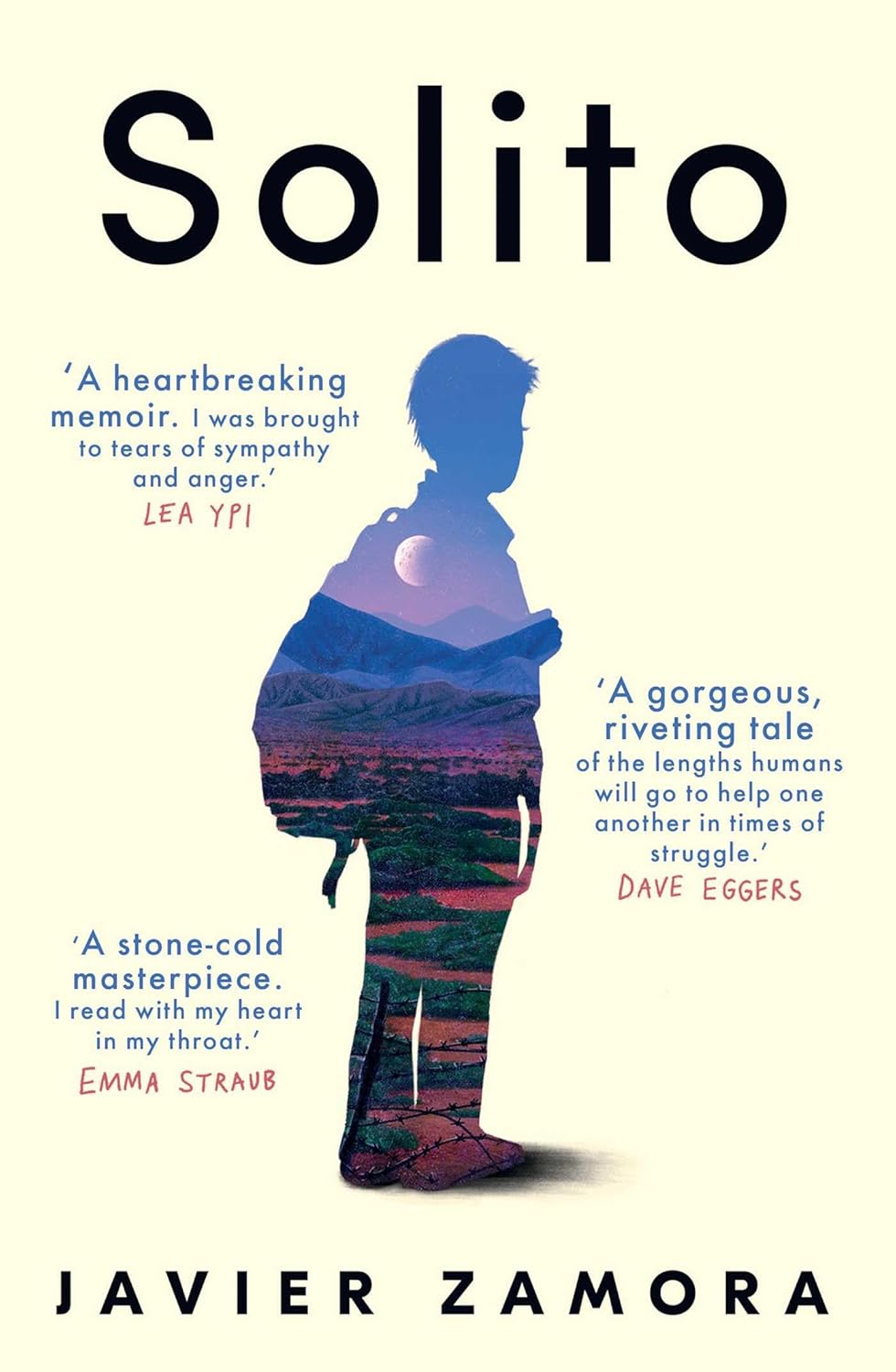
About Solito by Javier Zamora – A Powerful Memoir of Migration, Childhood, Family, and Hope
Solito by Javier Zamora is a memoir about the journey he made from El Salvador to the United States when he was only nine years old. His parents had already left El Salvador, and Javier was living with his grandparents and aunt. He wanted to see his mother and father again and believed the journey would be a short trip. Instead, he traveled about three thousand miles through Guatemala, Mexico, and the dangerous border region before reaching the United States. The trip that was expected to take around two weeks became a long journey lasting about two months. Javier traveled with strangers and a coyote hired to guide the group. Along the way, he faced fear, hunger, heat, uncertainty, arrests, and difficult travel. He also received care from people he had never known before. The memoir tells these events from the close view of the child Javier once was, giving readers a personal picture of migration, family separation, courage, and unexpected kindness.
Why this memoir feels so close and personal
Solito brings the subject down to one child and what he sees, hears, wants, and fears. Javier does not begin the journey thinking like an adult. He misses his parents. He remembers home. He notices food, jokes, smells, clothes, games, and the behavior of the adults around him. That child-centered view makes the story easy to enter even when the events become difficult. Zamora is also a poet, and his attention to language helps him build clear scenes without turning the memoir into a textbook. The result is useful for readers who want to understand migration through a real human experience. It can also help people think about what separation, uncertainty, and long travel may feel like to a child who does not fully understand the systems controlling his future.
A journey that was supposed to be simple
Javier leaves his home believing he is going on a trip that will end with him in his parents’ arms. His mother had left when he was young, and his father had been gone even longer. For a nine-year-old boy, reunion is the goal that matters most. He cannot know in advance how many problems will appear along the way. The group travels by boat, bus, and foot. They cross unfamiliar places, deal with people they cannot always trust, and face the dangers of deserts and border enforcement. Plans change. Time stretches. The journey becomes far harder than the child imagined. This simple expectation makes the memoir especially effective. Readers know more than young Javier does about how dangerous the road can be, while he keeps moving toward the idea of home with his parents. That gap between his hope and the reality around him gives the book much of its emotional force without needing exaggerated language.
The strangers who become a kind of family
One of the most important parts of Solito is the group of migrants who travel with Javier. He begins the journey without his mother, father, grandparents, or aunt beside him. During the trip, other people step into roles of care and protection. They share food, give advice, comfort him, watch over him, and help him continue when the journey becomes difficult. These relationships show how family can sometimes be created through care rather than blood alone. The memoir does not make the journey safe or easy because kind people are present. Danger remains real. Yet the support Javier receives keeps the story from becoming only a record of fear. It also becomes a story about human connection. Readers see people helping one another even when everyone is tired, worried, and facing their own problems. This makes the book especially meaningful for readers interested in community, compassion, migration, childhood, and the ways people protect each other during extreme situations.
A child's voice makes familiar topics feel different
Solito stands out because Zamora tries to bring readers close to the mind of his nine-year-old self. He does not simply tell the story as an adult looking backward and explaining everything with years of knowledge. The book pays attention to what a child would notice and understand at that moment. That approach changes how readers experience serious topics. Border crossings are not only political events. They involve thirst, tired feet, fear, waiting, confusing instructions, and adults making choices a child must follow. Family separation is not only an immigration issue. It is also a boy missing the people he loves and imagining what reunion will feel like. This perspective makes the memoir accessible to readers who may know little about migration. It also gives experienced readers a more intimate view. The language is clear, the scenes are detailed, and the emotional meaning grows from what happens rather than from long explanations telling readers what they must think.
More than a story about crossing a border
The book covers a physical journey, but it also explores belonging, memory, childhood, language, trust, and family. Javier is moving toward his parents while also moving away from the relatives and home that raised him. That creates a complicated idea of reunion. It also asks readers to notice the long effects of war and political conflict on ordinary families. Zamora was born in El Salvador, and his parents left because of conditions connected to the Salvadoran Civil War. His own journey came later, but the family separation did not begin with him. That wider background helps readers understand why migration stories rarely start at the border itself. Choices made years earlier can shape where a child lives, who raises him, and why he eventually takes a dangerous route toward another country.
A strong choice for readers of memoir and real-life stories
Readers who enjoy memoirs may find Solito especially rewarding because it combines a clear personal story with larger social questions. You do not need special knowledge about Central America, immigration policy, or United States history before starting. It can also appeal to people who enjoy coming-of-age stories because much of the book is about a child learning how to read people, manage fear, and adapt to a world that keeps changing around him. Teachers and students may also find the memoir useful for discussions about migration, family, memory, geography, identity, and empathy. The book has been recognized widely, including as a New York Times bestseller, a Read With Jenna selection, an Alex Award winner, and a winner of the Los Angeles Times Christopher Isherwood Prize for Autobiography.
A book that can start meaningful conversations
Solito gives readers many subjects to discuss after the final page. A book club can talk about how Javier understands adults, how strangers become caregivers, and how the meaning of home changes during the journey. Students can trace the route from El Salvador through Guatemala and Mexico and consider the physical scale of the trip. Families can discuss why children may migrate and what separation can do to parents, grandparents, and children. Readers can also think about memory itself. Zamora wrote the memoir years after the events, but he works to recreate the feelings and details of his younger self. This makes the book useful for conversations about how people remember childhood and how writers turn difficult personal experiences into stories. The memoir does not require readers to agree on every political question. Its strongest starting point is simple: pay attention to the experience of a child moving through a difficult situation and the people who help him survive it.
Comfortable quality for a long and thoughtful read
Bookish Wonderland offers Solito for readers who want a physical copy that is comfortable to use over many reading sessions. The book is prepared with premium eye-soothing cream paper, giving the pages a softer look than bright white paper. Crystal-clear printing keeps the text sharp and easy to follow. High-quality stitched and glue binding adds strength for regular reading and helps the pages stay secure over time. These features are useful for a memoir that readers may want to underline, revisit, or use for class and book-club discussion. Instead of repeating the same production details throughout the page, the main benefit is simple: the copy is made to support comfortable reading and longer use. Readers who prefer durable English books can add Solito to a shelf without treating it as a book meant to be read once and forgotten.
Which edition and page count should you expect?
Page count depends on the edition. Penguin Random House lists the Hogarth paperback, published on June 6, 2023, at 416 pages. The original Hogarth hardcover, published on September 6, 2022, is listed at 400 pages. This difference is normal because formatting, trim size, and binding can change between editions while the memoir itself remains the same work. Before ordering, customers should check the exact edition available from Bookish Wonderland if page count or cover design matters to them. The paperback ISBN listed by Penguin Random House is 9780593498088. For customers comparing the Book price in Bangladesh for Solito by Javier Zamora, the current Bookish Wonderland listing should be used because local prices can change according to stock, edition, printing, and production costs.
Easy ordering for readers across Bangladesh
Bookish Wonderland makes it simple to order Solito without complicated payment steps. Nationwide delivery is available, covering customers inside Dhaka and in other areas of the country. Cash on Delivery is available across Bangladesh, so customers can pay when the order reaches them. Readers in Dhaka can also ask about fast or urgent delivery when they need a book sooner. Book customization is available for customers with special requirements. If you need information about the current edition, cover, delivery time, or customization, contact Bookish Wonderland through Facebook or Instagram before ordering. This is useful when you are buying for a class, book club, gift, or personal collection and want to confirm the available copy. Bookish Wonderland also carries a large selection of durable English books, making it easier to order this memoir together with other nonfiction, biography, history, or literary titles for your reading list.
Read Javier's journey in his own words
Solito by Javier Zamora gives readers a close view of one child's long journey toward his parents and the people who helped him along the way. It is clear, personal, and rooted in a real experience. The memoir can suit readers interested in migration, family, childhood, Central America, identity, human connection, and true stories that explain large issues through one life. It also works well for book clubs, classrooms, and readers who want a memoir with enough detail to discuss after finishing. Order Solito from Bookish Wonderland if you want a premium, comfortable copy for regular reading, study, or your nonfiction collection. With nationwide delivery, Cash on Delivery, durable binding, clear printing, and reader-friendly cream paper, it is easy to add this widely recognized memoir to your shelf and spend time with Javier Zamora's unforgettable account of leaving home, crossing countries, depending on strangers, and searching for family.
If you require any customization or have any questions, please inbox us via FB or Insta.
| Primary Specification | |
| Author | Javier Zamora |
| Narrator | Javier Zamora |
| Editor | Barbara M. Bachman |
| Genre | Memoir, Autobiography, Immigration, Coming-of-Age, Nonfiction |
| ISBN-13/ISSN | 978-0593498088 |
| ISBN-10 | 0593498089 |
| Publisher | Hogarth |
| Publishing Date | June 6, 2023 |
| Language | English |
| Reading Age | 14+ years |
| Format | Printed book |
| Physical Specification & Quality | |
| Paper Quality | Premium eye-soothing cream paper |
| Binding Quality | High quality stitched and glue binding (for longevity) |
| Print Quality | Crystal-clear print |
| Pages | 416 pages |
| Country | USA |
| Logistics Information | |
| Weight | 421g |
| Length | 8.5 inches |
| Width | 5.6 inches |
| Height | 0.89 inches |