Skip to product information
1 of 1

Bookish Wonderland

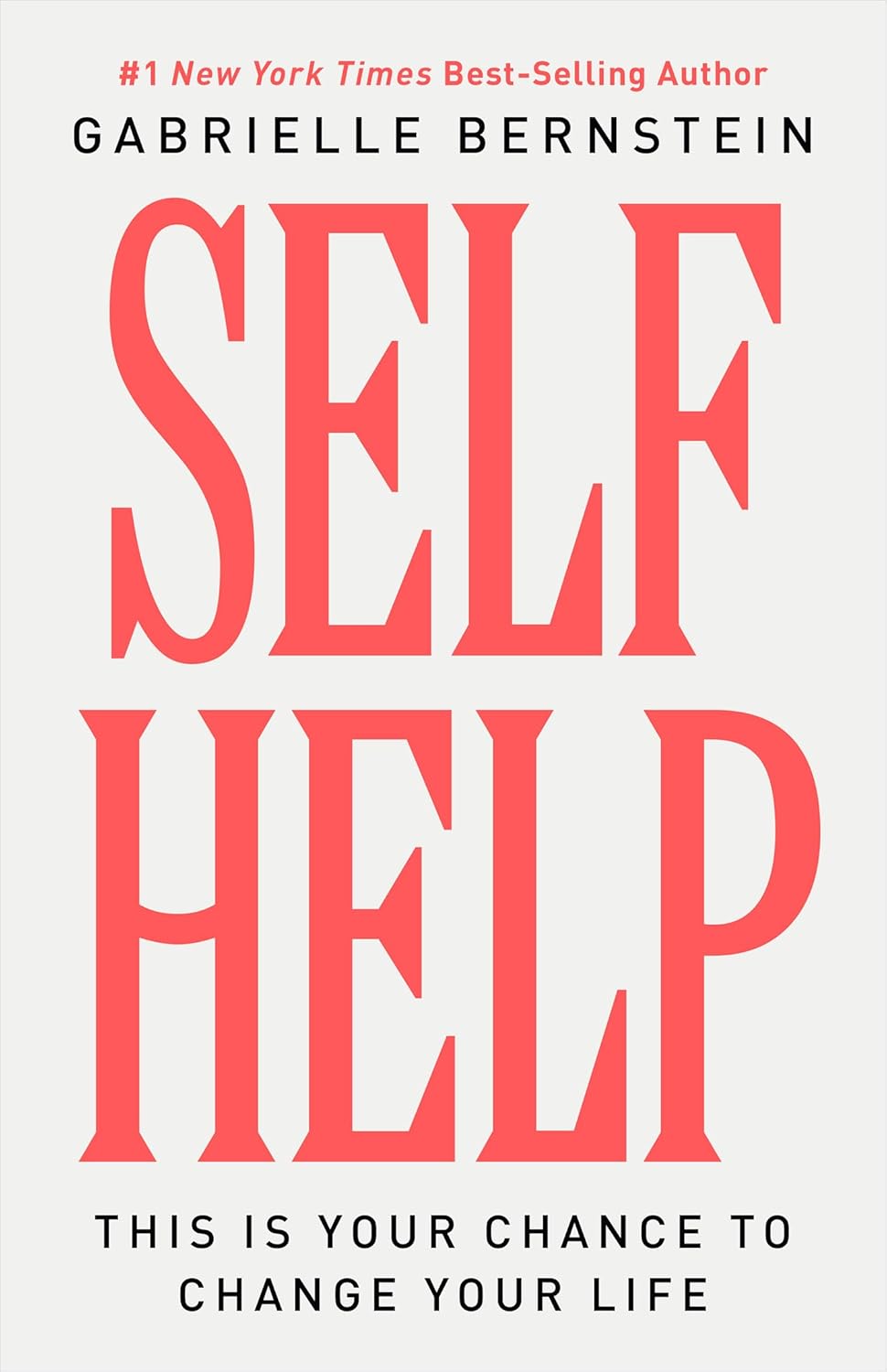
Self Help: This Is Your Chance to Change Your Life by Gabrielle Bernstein

Self Help: This Is Your Chance to Change Your Life by Gabrielle Bernstein

Regular price Tk 185.00 BDT
Regular price Sale price Tk 185.00 BDT
Sale Sold out
Book cover type
Quantity

Self Help: This Is Your Chance to Change Your Life by Gabrielle Bernstein introduces an approach to emotional growth inspired by Internal Family Systems therapy. She explains how experiences can shape protective habits, including people pleasing, harsh self criticism, anger, and avoidance. Rather than fighting these reactions, Bernstein encourages readers to meet them with curiosity and compassion. Her four step Check In practice helps people notice their feelings, identify the parts of themselves seeking protection, understand what those parts need, and reconnect with a calmer sense of Self. Drawing on personal experience and accessible exercises, she shows how this approach can be used during challenges without lengthy reflection. The book invites readers to question negative stories, soften their relationship with difficult emotions, and respond to themselves with kindness. Its central message is that self understanding and compassionate attention can offer a starting point for changing entrenched patterns and developing confidence. Read More

View full details

About Self Help: This Is Your Chance to Change Your Life by Gabrielle Bernstein: A Kind Four-Step Path to Inner Change

Self Help: This Is Your Chance to Change Your Life by Gabrielle Bernstein is a personal growth guide for people who feel trapped in the same thoughts, feelings, or habits. Old habits can return. Bernstein asks readers to stop fighting these patterns and begin listening to what may sit under them.

The book is informed by Internal Family Systems, often called IFS. This therapy model views the mind as having different inner “parts,” including parts that try to protect us and parts that carry pain. Bernstein turns these ideas into a simple four-step “Check In” practice for daily life. The aim is to notice what is happening inside, become curious, respond with compassion, and check again for any shift.

When trying harder keeps taking you back to the same place

Many people try to change by using force. They make strict rules, hide hard feelings, or blame themselves when an old habit returns. This may work for a short time, but the same fear or reaction can rise again. The person then feels weak, lazy, or broken, even when the habit began as a way to feel safe.

Bernstein offers another response. She asks readers to pause before they push the feeling away. A harsh inner voice, a wish to please, a burst of anger, or a need to escape may be a protective response. It may have learned long ago that its job was to stop pain, shame, fear, or rejection.

When you approach that response with curiosity, you create space between the feeling and your next action. You may not control what first appears, but you can learn to choose how you meet it. The book presents self-compassion as a practical skill, not a reward you must earn after becoming perfect.

What is Self Help by Gabrielle Bernstein about?

The book explains how repeated patterns can be linked to inner parts that are trying to protect you. These patterns may include anxiety, people-pleasing, rage, addiction, workaholism, constant self-judgment, or emotional withdrawal. Bernstein does not ask readers to hate these parts. She encourages them to understand the need or old belief under each reaction.

Her central tool is the four-step Check In process. It begins when you notice a feeling, thought, body sensation, or behaviour. You turn your attention inward and become curious about what is happening. You then offer compassion and ask what the part needs. Finally, you check back in and notice whether your body, mood, or view has changed.

Understand the idea of inner parts

The word “parts” does not mean that a person is damaged or split in a frightening way. In the IFS model, having different inner voices, feelings, and wishes is a normal part of being human. One part may want success, while another fears being seen. One may seek closeness, while another steps back to avoid hurt.

Protective parts can take strong roles. An inner critic may believe that harsh words will stop failure. A people-pleasing part may try to prevent rejection. A numbing part may reach for food, work, screens, shopping, or another escape when a feeling seems too large. The action may create new trouble, but the wish to protect can still be understood.

Meet the calm Self behind the noise

IFS also teaches the idea of a core Self. The IFS Institute describes Self as a calm and compassionate inner leader that can understand protective and wounded parts. Bernstein uses the term “Self energy” for qualities such as curiosity, care, clarity, courage, and connection.

The book helps readers notice moments when fear or anger has taken over the whole view. When this happens, a person may believe, “This feeling is all of me.” The Check In practice creates a gentle distance. You can say, “A part of me feels afraid,” instead of, “I am only fear.”

That wording may seem small, but it can change the relationship with an emotion. The feeling still matters, yet it no longer has to make every decision. With practice, the reader may find more room for a calmer response. The goal is not to remove every part. It is to help the Self lead with care.

Learn the four-step Check In practice

The first step is to notice when you are checking out or reacting. You may feel tightness in your chest, heat in your face, fast thoughts, a wish to run, or the pull of an old habit. The aim is not to judge the sign. It is simply to see it.

Next, turn your attention inward with curiosity. Ask where you feel the reaction in your body. Notice any thought, picture, memory, or belief that comes with it. You do not need to force an answer. Quiet attention is part of the practice.

Then meet the part with compassion. Ask what it wants you to know or what it needs. It may need safety, rest, support, a firm boundary, or simple recognition. The answer may arrive as words, feelings, or a softer body sensation.

The final step is to check in again. Notice whether anything has moved, even a little. You may feel calmer, clearer, or more able to choose. Some days the shift may be small, and that is still useful. The practice is about building a kind inner relationship over time, not creating a perfect result on demand.

Turn self-judgment into useful curiosity

Self-judgment often sounds like a command: stop being weak, work harder, do not make mistakes, or keep everyone happy. Such words may look like motivation, but they can keep fear alive. When people fail to meet these hard rules, shame grows and the cycle begins again.

These questions do not excuse harmful choices. They help reveal what drives them. Once the fear becomes clearer, the reader can respond with both care and responsibility. A mistake can become something to repair and learn from instead of proof that the whole person is bad.

Use the method during anxiety and stress

Anxiety can feel like a warning that never turns off. The mind may plan for every danger, while the body stays tense. Telling yourself to “just relax” often adds another layer of pressure. The Check In method offers a slower response: notice the anxious part, feel where it appears, and ask what it is trying to prevent.

This may help a reader relate to worry with less fear. The aim is not to argue with every thought or promise that nothing bad will happen. It is to let the anxious part know that it has been heard and that the calmer Self can help guide the next step.

Self Help is not medical care, and it cannot diagnose or treat a mental-health condition. Readers facing severe anxiety, trauma, addiction, self-harm, or a crisis should seek help from a qualified professional or emergency service. The book can support reflection, but it should not replace needed treatment.

Bring more care into relationships

Inner parts do not stay hidden when people connect with others. A small comment can wake up an old fear of rejection. A delayed message can lead to worry. A disagreement can cause anger, silence, pleasing, or the need to control. These reactions may feel fully about the present even when older pain is adding weight.

Checking in before replying can create a useful pause. You can notice the part that feels hurt and ask what it needs before sending a sharp message or saying yes when you mean no. This can support clearer limits, kinder words, and more honest talks.

The practice does not make unhealthy behaviour acceptable. Compassion for yourself can exist beside a strong boundary. Understanding why you react does not require you to remain in a harmful bond. Instead, greater inner clarity may help you see what is safe, what needs repair, and when it is time to step away.

Small practices that fit real life

Readers can use the book slowly. Read one chapter, try the practice, and note what you notice. A journal can help you record common triggers, body feelings, beliefs, needs, and changes. Over time, patterns that once seemed random may become easier to see.

The method may be especially useful before making a choice. Ask which part wants to act, what it fears, and whether a calmer response is available. This does not remove every doubt. It can help you make decisions with more awareness instead of moving only from panic or habit.

What makes this guide useful

Self Help joins a simple method with stories, explanations, and real-life examples. Bernstein translates IFS-inspired ideas into everyday language, so readers do not need a psychology degree to begin. The same four-step practice appears across many common struggles, which gives the book a clear centre.

Who may connect with this book?

Choose this book if you often overthink, judge yourself, please others, avoid hard feelings, or repeat habits you do not fully understand. It may also suit readers interested in personal growth, spirituality, mindfulness, emotional healing, or an easy introduction to ideas inspired by Internal Family Systems.

The book can be used during quiet morning reading, journal time, a personal-growth challenge, or discussion with a trusted friend. It may make a thoughtful gift for an adult who wants to build a kinder relationship with their inner world. Mature teens may also find parts of it useful with guidance from a trusted adult, but the book is mainly written for adults.

Readers should be ready for topics such as shame, fear, addiction, anger, trauma, and painful childhood feelings. Some pages may feel strong. It is fine to pause, return later, or read with professional support when a topic feels too heavy.

A reader-friendly copy for regular practice

Bookish Wonderland offers a comfortable edition made for reading, reflection, and later return. Premium eye-soothing cream paper gives the pages a soft look. Crystal-clear printing keeps every exercise easy to follow. High-quality stitched and glue binding supports longer use, while a durable finish helps protect the copy in a bag or on a shelf.

This edition works well for personal reading, journal sessions, a home library, a wellness group, or a meaningful gift. A practical self-help book may be opened many times, so clear pages and firm binding help it remain useful as the reader repeats the Check In practice.

Order easily from Bookish Wonderland

When comparing the Book price in Bangladesh for Self Help: This Is Your Chance to Change Your Life by Gabrielle Bernstein, consider paper comfort, print clarity, binding strength, and delivery support along with cost. A book built around regular practice should stay pleasant to read each time you return.

Cash on Delivery is available nationwide, with delivery inside and outside Dhaka. Fast or urgent delivery is available in Dhaka when you need the book soon. Contact Bookish Wonderland through Facebook or Instagram for the current price, stock, edition, delivery time, or customization help.

Give yourself a kinder chance to change

You may have spent years trying to silence the parts of you that worry, judge, please, hide, or run. This book offers a new first move: pause and listen. Behind a difficult pattern may be a part that has worked hard to protect you with the only method it knew.

Self Help invites you to meet that part with curiosity, compassion, and honest care. The process is simple enough to remember, yet deep enough to revisit as life changes. One check-in may not solve everything, but it can create the space needed for one calmer and wiser choice.

Order Self Help: This Is Your Chance to Change Your Life by Gabrielle Bernstein from Bookish Wonderland today. Bring home a practical guide that can help you understand your inner world, soften harsh self-talk, and take a more caring step toward lasting personal change.

If you require any customization or have any questions, please inbox us via FB or Insta.

Primary Specification
AuthorGabrielle Bernstein
NarratorGabrielle Bernstein
EditorJulie Davidson
GenreSelf-Help, Personal Development, Psychology, Spirituality
ISBN-13/ISSN979-8318604010
ISBN-108318604010
PublisherHay House LLC
Publishing Date September 15, 2026
LanguageEnglish
Reading Age18+
FormatPrinted Book
Physical Specification & Quality
Paper QualityPremium eye-soothing cream paper
Binding QualityHigh quality stitched and glue binding (for longevity)
Print QualityCrystal-clear print
Pages240 pages
CountryUSA
Logistics Information
Weight264 gm
Length8.5 inches
Width5.6 inches
Height0.62 inch
What is Self Help: This Is Your Chance to Change Your Life by Gabrielle Bernstein about?

Self Help: This Is Your Chance to Change Your Life is a personal-development book that teaches readers to respond to difficult thoughts, emotions, and habits with greater awareness and self-compassion. Gabrielle Bernstein draws on principles from Internal Family Systems (IFS) therapy to explain why people sometimes become trapped in patterns such as self-criticism, people-pleasing, perfectionism, and emotional avoidance. Instead of encouraging readers to fight these reactions, she introduces a four-step Check-In practice for understanding what might be happening beneath them. The book combines explanations, personal experiences, reflection questions, and practical exercises that readers can try in everyday situations. Its central message is that recognizing emotional patterns and approaching them with curiosity may create more room for thoughtful choices. It is a guide to self-reflection rather than a promise that every problem can be solved quickly or independently.

How many books are in the Self Help series by Gabrielle Bernstein, and what are they?

There are no books in a series for Self Help: This Is Your Chance to Change Your Life by Gabrielle Bernstein. It is a standalone Nonfiction Self-Help Guide.

What is Internal Family Systems therapy, and how is it used in Self Help?

Internal Family Systems, usually shortened to IFS, is a psychotherapy model developed by Richard C. Schwartz. It describes the mind in terms of different inner parts that may carry emotions, memories, beliefs, or protective roles. For example, someone might have a part that demands perfection and another that wants to avoid difficult situations. The model encourages understanding these reactions rather than treating them as enemies. In Self Help, Gabrielle Bernstein adapts selected IFS ideas into an accessible self-reflection practice that readers can use to examine everyday emotional patterns. Schwartz also contributes the book's foreword. However, Bernstein's Check-In method is a simplified approach informed by IFS, not a complete course in the therapy model or a substitute for individualized clinical treatment.

What are the four steps of Gabrielle Bernstein's Check-In method in Self Help?

The book's main exercise is a four-step Check-In practice designed to help readers pause and respond to difficult feelings more thoughtfully. First, choose to check in by turning your attention inward instead of immediately reacting or distracting yourself. Second, become curious about the emotion or inner part that has appeared, noticing associated thoughts, sensations, or feelings. Third, connect with that part compassionately and consider what it might need. Finally, check for a change in your internal experience, such as a little more calm, clarity, curiosity, or compassion. Bernstein encourages readers to repeat the process and adapt it to ordinary situations, including stressful conversations or moments of self-criticism. The exercise does not require every uncomfortable feeling to disappear, and readers can stop if reflection becomes overwhelming.

What are protector parts, managers, firefighters, and exiles in Self Help?

The book introduces IFS terms to help readers understand different ways people respond to emotional pain. Protector parts are understood within this model as reactions that attempt to prevent or manage distress. Managers generally try to avoid problems in advance through behaviours such as controlling situations, pleasing others, or pursuing perfection. Firefighters are described as reacting when distress has already become intense, sometimes through impulsive distraction or numbing. Exiles refer to more vulnerable parts associated with painful experiences or feelings that a person may have pushed away. These categories provide a framework for reflection; they are not separate personalities or medical diagnoses. Bernstein's everyday Check-In exercises place particular emphasis on approaching protective reactions with curiosity. Readers who want to explore severe trauma or overwhelming memories should seek appropriately qualified professional guidance rather than attempting intensive therapeutic work alone.

What does Gabrielle Bernstein mean by Self energy, and how can readers recognize it?

In the IFS framework, Self refers to a state of inner awareness associated with qualities such as calmness, clarity, compassion, curiosity, courage, and connectedness. Gabrielle Bernstein uses the expression Self energy to describe the experience of approaching difficult emotions from this less reactive perspective. For example, a reader who initially feels ashamed about making a mistake might pause, recognize the self-critical reaction, and become curious about why the mistake feels so threatening. The goal is not to eliminate every negative thought but to create enough space to respond with greater understanding. Bernstein also draws on her spiritual perspective when discussing this concept. Readers can engage with the reflection exercises without necessarily adopting every spiritual interpretation, and Self energy should be understood as a concept within the book's framework rather than a scientifically measurable energy source.

Can Self Help help readers understand anxiety, people-pleasing, and their inner critic?
Self Help addresses anxiety, people-pleasing, self-judgment, perfectionism, and other recurring patterns through the idea that some reactions may serve a protective purpose. Rather than simply telling readers to stop worrying or become more confident, Gabrielle Bernstein encourages them to notice when a familiar response appears and ask what fear or concern might be connected to it. Someone who constantly seeks approval, for example, might reflect on what they fear will happen if another person is disappointed. A person with a harsh inner critic might explore whether that criticism is an attempt to prevent failure or rejection. The exercises may help some readers understand their behaviour and practise a more compassionate response. However, the book does not establish that every symptom has the same cause, and it should not be presented as a guaranteed treatment for anxiety disorders or other mental-health conditions.
Can Self Help replace therapy, and is it safe for readers dealing with trauma?
Self Help is a self-reflection resource, not a replacement for psychotherapy, medical care, or treatment for serious mental-health difficulties. Gabrielle Bernstein adapts IFS principles into accessible exercises, but a book cannot assess an individual's circumstances, recognize every warning sign, or provide the support of a trained professional. Readers with a history of trauma may find that certain questions bring up painful memories or strong emotional reactions. The book also discusses subjects such as addiction, shame, anxiety, and protective behaviours, which may be sensitive for some people. Readers can choose to skip an exercise, return to it later, or discuss it with a qualified therapist. Those experiencing severe distress, dissociation, self-harm urges, or substance dependence should seek appropriate professional support rather than relying on a self-help exercise to manage those problems alone.
Is Self Help suitable for beginners, and how is it different from Gabrielle Bernstein's Happy Days?

Self Help is accessible to adults beginning to explore emotional awareness and parts-based self-reflection because Gabrielle Bernstein explains the central ideas in everyday language and repeatedly demonstrates the same four-step practice. The Hay House hardcover and paperback editions contain 240 pages, although other formats may have different page counts. Some readers appreciate the repetition because it helps them practise the method, while others find the recurring explanations and personal stories longer than necessary. Bernstein's earlier book Happy Days also discusses trauma, protective patterns, and healing, but Self Help places a more concentrated emphasis on a repeatable Check-In exercise informed by IFS. No previous reading is required. This book may appeal to readers seeking a practical introduction to that approach, while those wanting a more detailed account of IFS may prefer to supplement it with material written specifically about the full therapy model.

Is Self Help: This Is Your Chance to Change Your Life available as a premium edition from Bookish Wonderland?

Yes. Bookish Wonderland offers Self Help: This Is Your Chance to Change Your Life in a premium reader-friendly physical format for customers interested in personal growth and reflective nonfiction. The edition features premium eye-soothing cream paper, providing a comfortable background for reading explanations and completing the book's reflective exercises. Crystal-clear printing keeps the text, chapter headings, and practice instructions sharp and easy to follow. Because the book encourages readers to notice their thoughts and return to the Check-In method regularly, a physical copy is particularly convenient for highlighting useful questions or marking sections for later reference. Its presentation makes it suitable for a personal collection of self-development books that readers expect to consult more than once.

How durable are the paper, printing, and binding of Self Help from Bookish Wonderland?

The Bookish Wonderland edition uses high-quality stitched and glue binding to provide stronger page support and improve longevity during normal use. Its premium cream paper offers a comfortable writing and reading surface, while crystal-clear printing helps keep the instructions and explanations legible. A practical self-help book may be opened repeatedly as readers revisit exercises, compare their reflections, or return to a chapter during a challenging period. Reliable binding is therefore valuable for keeping the pages secure through frequent handling. These physical features make the book suitable for adding notes, highlighting important ideas, using page markers, and keeping it as a long-term reference. Readers can also work through the material gradually without needing to complete every exercise during their first reading.

Why should I buy Self Help by Gabrielle Bernstein from Bookish Wonderland in Bangladesh?

Bookish Wonderland provides readers throughout Bangladesh with a convenient way to order Self Help: This Is Your Chance to Change Your Life in a premium physical format. Its eye-soothing cream paper, crystal-clear printing, and durable stitched-and-glue binding make it suitable for customers who want to read carefully, annotate the Check-In exercises, and revisit important passages. The store offers nationwide Cash on Delivery, allowing customers to pay when their order arrives, with delivery available both inside and outside Dhaka. Readers in Dhaka can also request the fast or urgent delivery option when available. Bookish Wonderland's large premium English book collection gives customers access to other titles about emotional awareness, psychology, personal development, mindfulness, and reflective living alongside Gabrielle Bernstein's work.