

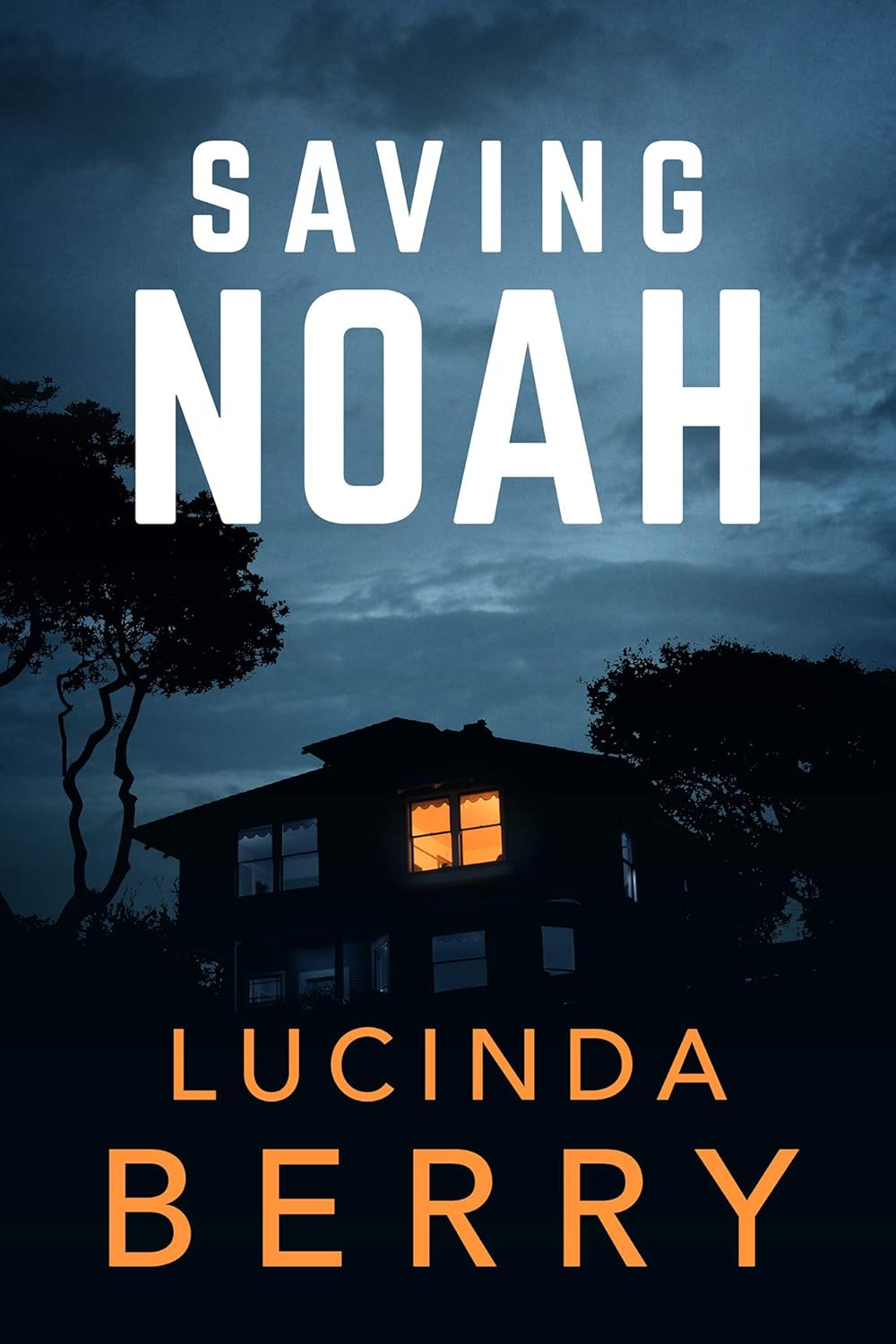
About Saving Noah Book by Lucinda Berry: A Harrowing Psychological Thriller About a Mother’s Love, Accountability, and an Impossible Choice
Saving Noah Book by Lucinda Berry begins with a family that appears to have everything. Noah is a bright student, a champion swimmer, and a well-liked boy in his small town. His parents believe he has a good future ahead. Then he admits that he sexually abused young girls during swim practice. In one moment, the picture his family held of him breaks apart.
Noah is sent to a juvenile sexual rehabilitation centre for eighteen months. When his treatment ends, his mother, Adrianne, wants him to return home. She cannot stop loving her child, even though she understands that he caused terrible harm. Her husband, Lucas, refuses to accept Noah back into the family. Their home becomes a place of anger, fear, shame, and questions that have no painless answer.
The novel follows Adrianne as she tries to hold onto her son while her marriage and community turn away. New truths force her to ask where a mother’s duty ends and where responsibility to other people begins. Lucinda Berry does not offer an easy hero, a simple villain, or a neat answer. Instead, she places the reader inside a family crisis and asks how love, justice, denial, guilt, and accountability can exist at the same time.
When ordinary thrillers feel too easy to predict
Many thrillers give readers a clear person to fear and a clear person to support. The crime is hidden, the hero searches for proof, and the ending explains who was right. That shape can be exciting, but it can also feel safe. Some readers want a story that causes deeper questions and stays in the mind after the final page.
Saving Noah offers that harder experience. The central crime is known early. The tension comes from its effect on the family and from Adrianne’s changing understanding of her son. Readers are not asked to solve a simple puzzle. They are asked to sit with the harm, watch relationships break, and think about whether love can survive without turning into denial.
What is Saving Noah about?
Before his confession, Noah is seen as a golden boy. He does well in school, wins praise as a swimmer, and appears to make his parents proud. There are no clear signs that prepare the family for what he admits. His offence destroys that public image and places his parents under the judgement of neighbours, friends, and one another.
After eighteen months in treatment, Noah is ready to leave the juvenile centre. Adrianne counts the days until his return. She believes that he still needs his mother and hopes home can support his recovery. Lucas sees the situation differently. He believes allowing Noah back will place the family at risk and refuses to welcome him.
Adrianne becomes trapped between people she loves. Standing with Noah may cost her marriage, her place in the community, and her trust in her own judgement. Turning away from him feels impossible to her as a mother. As the story reveals more about the family, she must decide what protection, responsibility, and unconditional love truly mean.
Adrianne carries the heart of the story
The novel is centred on Adrianne’s emotional struggle. She does not excuse the suffering Noah caused, but she cannot stop seeing the child she raised. Memories of the boy he was exist beside the truth of what he did. That clash makes every decision painful.
Adrianne’s love can look brave in one moment and dangerously blind in another. The book lets readers feel her grief without demanding that they agree with her. She wants to believe treatment can help. She also fears that leaving Noah alone will destroy whatever chance he has to change. Yet every step toward him creates distance from someone else.
A family breaks in more than one direction
Noah’s actions do not affect only him and the girls he abused. The truth moves through the whole family. Lucas responds with rejection and anger. Adrianne responds by holding tighter to her son. Their different reactions turn the marriage into another place of conflict.
Berry shows how one person’s crime can create many kinds of loss. Parents lose the future they imagined. A marriage loses its shared view of right and wrong. A sibling’s safety becomes part of every decision. The community also has to decide whether treatment, punishment, and return can ever exist together. These wider effects make the book feel like both a thriller and a dark family drama.
Love and accountability are placed side by side
Saving Noah does not argue that love removes responsibility. It asks whether love can remain after responsibility is accepted. Adrianne’s problem is painful because caring for Noah and recognising his victims are not simple opposite choices. Both truths exist, even when she does not know how to hold them together.
The book also explores the difference between explanation and excuse. Treatment may help readers understand behaviour, risk, and the need for supervision, but understanding does not erase harm. Noah’s age does not make the offence small. His earlier success does not protect him from consequences. His family’s suffering does not replace the suffering of those he abused.
Why Lucinda Berry’s background matters
Lucinda Berry is a clinical psychologist and former trauma researcher. She has said that Saving Noah grew from her years working with families in crisis and seeing parents face devastating choices involving their children. That experience helps explain why the novel focuses closely on behaviour, family bonds, denial, shame, and emotional survival.
The book is still fiction, not a textbook or a guide to treatment. It should not be used to judge every young offender, parent, victim, or rehabilitation program. Real cases are different, and professional decisions require qualified experts and full facts.
Suspense built from truth rather than a chase
This novel does not depend on car chases or a detective following clues. Its suspense comes from what the family has not faced. Conversations carry danger because one answer can change a relationship forever. A look, a memory, or a new detail can make Adrianne question what she thought she knew.
The pace grows through emotional pressure. Noah’s return creates a deadline. Adrianne wants to prepare the home, while Lucas refuses to imagine him there. The reader knows a confrontation is coming, but not what each person will reveal or choose.
The story also uses painful revelations to deepen the central problem. For the best experience, avoid detailed spoilers before reading. The official summary gives enough information to understand the subject, but later developments are most powerful when they arrive in the book.
Read the content warning carefully
Saving Noah is an adult psychological thriller with extremely distressing material. It discusses child sexual abuse, sexual offending by a teenager, grooming, family trauma, victim harm, shame, social rejection, and the fear of repeated abuse. It also contains strong language, violence, suicidal thoughts, and suicide-related content.
The sexual abuse is central to the plot rather than a brief background reference. Readers who have personal experience with abuse, self-harm, suicide, or family crisis may find the novel deeply upsetting. This is not a suitable choice for children, younger teens, or anyone seeking a light mystery.
Knowing the themes in advance does not weaken the reading experience. It allows each person to make a safe choice. Readers can pause, skip the book, or seek support if the subject brings back painful feelings. Emotional limits are personal and should be respected.
What readers may gain from this novel
The book creates a space to examine difficult ideas without pretending they are simple. Its main strengths include:
- A mother’s close point of view gives the family crisis emotional weight.
- A known offence shifts suspense from finding a criminal to facing the consequences.
- Complex characters create questions rather than easy sides.
- The story explores treatment, punishment, denial, protection, and responsibility.
- Family conflict shows how serious harm spreads beyond one person.
- A fast, direct style makes a heavy subject easy to follow.
- A complete standalone plot gives readers closure without another volume.
These features can help readers think more carefully about parental love, public judgement, rehabilitation, and the duty to protect vulnerable people. The greatest benefit is not comfort. It is the chance to question a belief that may once have seemed certain.
Who should read Saving Noah?
Choose this novel if you enjoy psychological thrillers, dark family drama, moral questions, unreliable judgement, and stories that lead to long discussion. It may appeal to readers who liked the difficult family focus of We Need to Talk About Kevin, although the books tell different stories.
Saving Noah works well for an adult book club, psychology-themed reading list, university discussion, or private weekend read. Groups can discuss whether Adrianne’s love helps or harms, how Lucas responds, what treatment should achieve, and whose safety should guide the family’s choices.
This is not the best choice for a casual gift unless you know the reader’s limits. The subject is unusually heavy. A person who prefers cosy mysteries, hopeful family stories, or thrillers with a clear hero may want another book. Readers ready for an upsetting and thought-provoking story may find it unforgettable.
A reader-friendly copy for focused reading
- Premium eye-soothing cream paper gives the pages a soft appearance.
- Crystal-clear printing keeps every paragraph sharp and readable.
- High-quality stitched and glue binding supports longer book life.
- A durable finish helps protect the copy in a bag or on a shelf.
These details suit a book that readers may mark, discuss, or return to after finishing. The comfortable paper supports longer sessions, while the clear print keeps attention on the story. The copy can be used at home, in a reading group, during a class, or as part of an adult thriller collection.
Order easily from Bookish Wonderland
When checking the Book price in Bangladesh for Saving Noah by Lucinda Berry, consider paper comfort, print clarity, binding quality, and delivery support along with cost. A serious, discussion-rich novel deserves a copy that remains comfortable during close reading and later review.
Cash on Delivery is available nationwide. Bookish Wonderland delivers inside and outside Dhaka, helping readers across the country order without visiting a physical shop. Fast or urgent delivery is available in Dhaka when you need the book soon. Contact the store through Facebook or Instagram for the latest price, stock, edition, cover, delivery time, or customization help.
Read the thriller that refuses an easy answer
Noah’s confession changes how his family understands the past and destroys the future they expected. When he returns from treatment, Adrianne must choose what kind of mother she will be, what risks she can accept, and what truths she can no longer avoid.
Open this book when you are ready for suspense built from family conflict, moral pressure, and painful revelation. Read it to see why so many people finish with different views of love, blame, treatment, and justice. Then share it with an adult reading partner and discover whether the same story leads you to opposite answers.
Order Saving Noah by Lucinda Berry from Bookish Wonderland today. Bring home a gripping and deeply challenging standalone psychological thriller that asks how far a mother should go for her child—and what that choice may cost everyone around her.
If you require any customization or have any questions, please inbox us via FB or Insta.
| Primary Specification | |
| Author | Lucinda Berry |
| Narrator | Carrington MacDuffie |
| Genre | Psychological Thriller, Domestic Fiction, Family Drama |
| ISBN-13/ISSN | 978-1464292132 |
| ISBN-10 | 1464292132 |
| Publisher | Poisoned Pen Press |
| Publishing Date | September 8, 2026 |
| Language | English |
| Reading Age | 18+ |
| Format | Printed Book |
| Physical Specification & Quality | |
| Paper Quality | Premium eye-soothing cream paper |
| Binding Quality | High quality stitched and glue binding (for longevity) |
| Print Quality | Crystal-clear print |
| Pages | 272 pages |
| Country | United States |
| Logistics Information | |
| Weight | 293 gm |
| Length | 8.5 inches |
| Width | 5.6 inches |
| Height | 0.68 inch |