

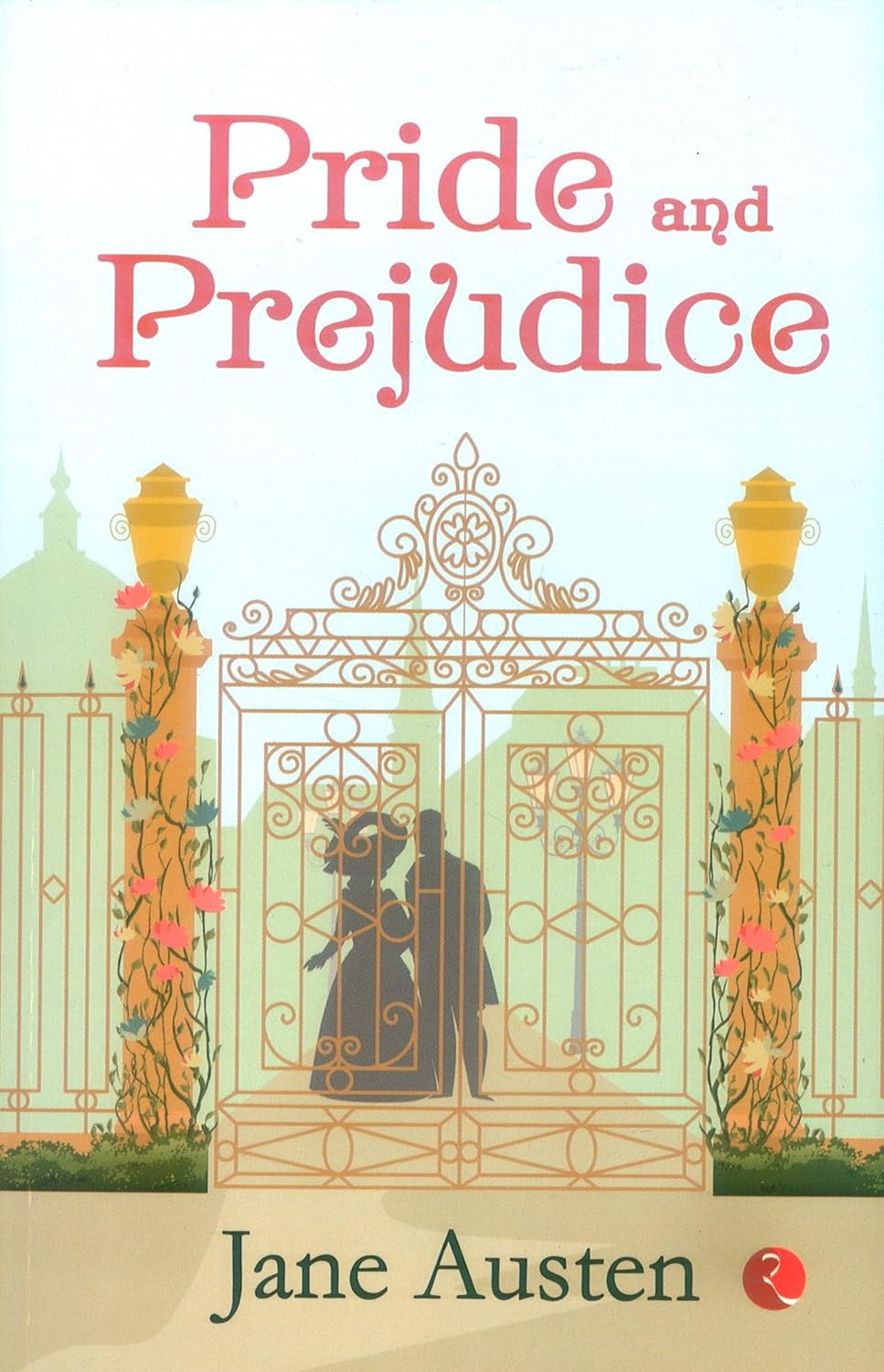
About Pride and Prejudice by Jane Austen: A Timeless Love Story About First Impressions, Family, Class, and Personal Growth
Pride and Prejudice by Jane Austen begins with news that a rich young man, Mr. Bingley, has rented Netherfield Park near the Bennet family home. Mrs. Bennet is thrilled. She has five unmarried daughters, and she wants each one to find a secure husband. When Bingley attends a local dance, he is warm and friendly. He quickly likes Jane Bennet, the oldest daughter. His close friend, Mr. Darcy, is very different. Darcy seems cold, proud, and unwilling to join the fun.
Elizabeth Bennet hears Darcy speak badly about her at the dance. She is bright, funny, and sure of her own judgment, so she decides that she dislikes him. Darcy soon begins to admire Elizabeth, but his quiet manner and high social place keep creating distance. Their first ideas about each other become a wall built from pride, hurt, gossip, and missing facts.
When an old classic feels hard to begin
Many readers want to read a famous classic but worry that it will feel slow, formal, or far from modern life. The old words may look difficult. The rules around visits, dances, letters, and marriage can also seem strange at first. A reader may know the names Elizabeth and Darcy from films but still feel unsure about opening the book.
This novel offers a friendly way into classic English fiction. The plot grows through clear human problems: a bad first meeting, a trusted person who lies, a friend who gives poor advice, parents who embarrass their children, and two people who struggle to say what they truly feel. These problems are old and new at the same time.
What is Pride and Prejudice about?
The story follows Elizabeth Bennet, the second of five sisters living at Longbourn. Their home cannot pass to the daughters after their father dies. Instead, it will go to a male relative, Mr. Collins. This makes marriage more than a romantic wish for the Bennet women. A good match may decide whether they have money, respect, and a safe home in the future.
Mr. Bingley’s arrival brings hope. He and Jane Bennet care for each other, but quiet feelings and outside advice pull them apart. At the same time, Elizabeth meets the charming officer George Wickham. His story seems to prove that Darcy is cruel. Elizabeth trusts him because his words fit what she already believes.
Darcy later proposes to Elizabeth, but his proud manner and his actions against Jane and Bingley make her refuse him. A letter then changes the path of the novel. It does not solve everything at once. Instead, it gives Elizabeth facts that force her to question her own mind. Darcy must also learn from her honest answer. Their growth continues through action, not only words.
Elizabeth Bennet is clever but not always right
Elizabeth is loved because she is lively, brave, and quick to laugh. She does not want to marry only for money. She stands up to Mr. Collins, Darcy, and Lady Catherine when they try to tell her what she should do. Her strong voice makes her feel fresh even after more than two hundred years.
Yet Austen does not make Elizabeth perfect. Her quick mind can become too quick. She enjoys a clever story and feels sure that she can read people well. Because Wickham is pleasant and Darcy has hurt her pride, she accepts one man’s account without enough proof.
Mr. Darcy must turn feeling into better action
Darcy first appears rich, silent, and proud. He knows that his family, home, and social place give him power. He looks down on the Bennets’ behaviour and speaks as if loving Elizabeth is a problem he has nobly fought. His first proposal shows real feeling, but it also shows how little care he has given to her dignity.
After Elizabeth refuses him, Darcy does not win her by making another grand speech. He listens. He changes how he acts toward Elizabeth and her relatives. He becomes kinder without asking for praise. When Lydia Bennet’s careless choice puts the whole family at risk, Darcy quietly uses his time, money, and influence to help.
His journey is not about becoming less strong. It is about using strength with humility. The romance becomes satisfying because both people grow. Love is not a prize for staying the same. It becomes possible when pride gives way to respect and judgment gives way to truth.
The Bennet family makes the story funny and tense
Longbourn is never quiet. Mrs. Bennet talks openly about husbands and money. Mr. Bennet hides in his library and uses jokes to escape family trouble. Jane tries to see good in everyone. Mary wants to sound wise. Kitty follows stronger voices, while young Lydia runs toward fun without thinking about the cost.
Their different ways create comedy, but the family problems are serious. Mr. and Mrs. Bennet do not guide their younger daughters well. Their weak choices leave Lydia open to danger. Elizabeth loves her family, yet she also feels ashamed when they behave badly in public.
Marriage means love, money, and safety
The novel shows several kinds of marriage. Jane and Bingley offer gentle affection. Lydia and Wickham act through impulse and desire. Mr. and Mrs. Bennet reveal what can happen when early attraction is not joined by respect. Charlotte Lucas accepts Mr. Collins because she wants a stable home.
Elizabeth understands Charlotte’s choice but cannot make the same one. She wants love, respect, and a meeting of minds. This wish sounds natural today, yet it is risky in her world. Refusing a safe offer may leave a woman with little money and no home of her own.
By placing these choices side by side, Austen asks a clear question: what makes a marriage good? The answer is not money alone or feeling alone. A lasting bond needs honesty, knowledge, care, and the ability to respect another person as an equal.
Money and class shape every choice
People in the novel often speak about income, property, family ties, and rank. This is not empty detail. Money controls where people live, whom they meet, and how safely they can refuse an unwanted match.
Darcy’s wealth gives him freedom and social power. Bingley’s income makes him a target for hopeful families. Wickham’s need for money guides many of his choices. Lady Catherine believes rank gives her the right to control Darcy’s future.
Elizabeth challenges this system without pretending it does not exist. She values character above display, yet she understands that marriage changes a woman’s whole life. The book remains useful because it shows how money can hide inside ideas about romance, respect, and what society calls a good choice.
First impressions can feel like facts
The title points toward faults in both main characters. Darcy’s pride makes him seem rude and keeps him from treating Elizabeth’s family with care. Elizabeth’s prejudice grows from a painful first meeting and becomes stronger when Wickham tells her an attractive lie.
Neither person is completely wrong about the other. Darcy can be proud, and Elizabeth’s family can behave badly. The problem begins when one true detail becomes the whole story. They stop asking what else may be true.
This idea gives the book a modern use. People still judge from a first talk, a photo, a rumour, or one poor moment. Austen shows how easy it is to collect only the facts that support an old belief. The novel invites readers to stay curious and leave room for change.
Why the dialogue is such a pleasure
Austen’s characters often reveal themselves while trying to impress someone else. Mr. Collins gives long speeches that show his vanity. Lady Catherine asks questions as if every private matter belongs to her. Mrs. Bennet says the quiet part aloud. Elizabeth uses wit as both play and protection.
Readers who enjoy clever banter will find many rewarding scenes between Elizabeth and Darcy. Their words change as their understanding changes. Early talks feel like a contest. Later ones carry more patience, trust, and honesty. The romance grows in language before it can grow into a shared life.
What makes this novel worth reading today?
Pride and Prejudice offers a complete story with romance, family drama, social comedy, and personal growth. It gives readers a strong heroine who thinks for herself, yet it also lets her make real mistakes. Darcy’s change shows that an apology matters most when better behaviour follows it.
The book also helps readers understand how class, property, and gender shaped daily life in Regency England. These ideas never feel like a dry lesson because they appear inside dances, visits, letters, proposals, arguments, and family emergencies.
For students, the novel offers rich examples of irony, character growth, point of view, dialogue, and social criticism. For romance readers, it gives one of literature’s best-known slow changes from dislike to love. For casual readers, it offers humour and a family that can feel surprisingly familiar.
Who will enjoy Pride and Prejudice?
Choose this book if you enjoy classic romance, clever heroines, slow-burn love, family stories, social comedy, or enemies-to-lovers tension. It may also suit readers who like character-led books where a letter, look, visit, or talk can change everything.
Students can use it for school, college, essays, and close reading. Book clubs can discuss marriage, money, first impressions, family duty, and whether Elizabeth and Darcy change enough. New writers can study how Austen builds a large cast and gives each person a clear voice.
The novel also makes a thoughtful gift for a reader who loves timeless stories. It is a standalone book, so no earlier title is needed. A first-time classic reader can move slowly, while a returning Austen fan can notice fresh jokes, clues, and social details on every reread.
A reader-friendly copy for your shelf
Bookish Wonderland offers a comfortable edition made for future returns.
- Premium eye-soothing cream paper gives each page a soft appearance.
- Crystal-clear printing keeps Austen’s dialogue easy to follow.
- High-quality stitched and glue binding supports long book life.
- A durable finish helps protect the copy in a bag or on a shelf.
These features make the edition suitable for home reading, study, a book club, travel, or a gift. A classic often stays with a reader for years, so a strong and pleasant copy can become a lasting part of a personal library.
Easy ordering from Bookish Wonderland
When comparing the Book price in Bangladesh for Pride and Prejudice by Jane Austen, consider paper comfort, print clarity, binding strength, and delivery help along with cost. A novel filled with quick dialogue and small clues deserves a copy that remains pleasant through careful reading and many returns.
Cash on Delivery is available nationwide, with service inside and outside Dhaka. Fast or urgent delivery is available in Dhaka when the book is needed soon. Contact Bookish Wonderland through Facebook or Instagram for the current price, stock, cover, edition, delivery time, or customization support.
Let Elizabeth and Darcy change your first impression
One proud comment begins a long chain of hurt, laughter, false stories, letters, family trouble, and hard-won truth. Elizabeth must question the judgment she trusts most: her own. Darcy must learn that love does not excuse pride. When they meet again with clearer eyes, every earlier scene gains a new meaning.
Open Pride and Prejudice and step into bright drawing rooms, lively dances, quiet walks, and conversations where every word matters. Read for the famous romance, then stay for the Bennet sisters, Austen’s sharp humour, and the brave idea that people can become better when they face the truth.
Order Pride and Prejudice by Jane Austen from Bookish Wonderland today. Bring home a beloved classic that joins wit, warmth, family chaos, social insight, and one of literature’s most satisfying journeys from a painful first impression to lasting love.
If you require any customization or have any questions, please inbox us via FB or Insta.
| Primary Specification | |
| Author | Jane Austen |
| Narrator | Lillian Rachel, Amanda Friday, Josh Innerst, Danielle Cohen, Jeff Moon, Anna Grace, Lance Rasmussen |
| Genre | Romance, Comedy of Manners, Classic Fiction, Social Satire, Regency Fiction |
| ISBN-13/ISSN | 978-0141439518 |
| ISBN-10 | 0141439513 |
| Publisher | Jane Austen |
| Publishing Date | December 31, 2002 |
| Language | English |
| Reading Age | 13+ |
| Format | Printed book |
| Physical Specification & Quality | |
| Paper Quality | Premium eye-soothing cream paper |
| Binding Quality | High quality stitched and glue binding (for longevity) |
| Print Quality | Crystal-clear print |
| Pages | 448 pages |
| Country | UK |
| Logistics Information | |
| Weight | 472 gm |
| Length | 8.5 inches |
| Width | 5.6 inches |
| Height | 0.79 inch |