

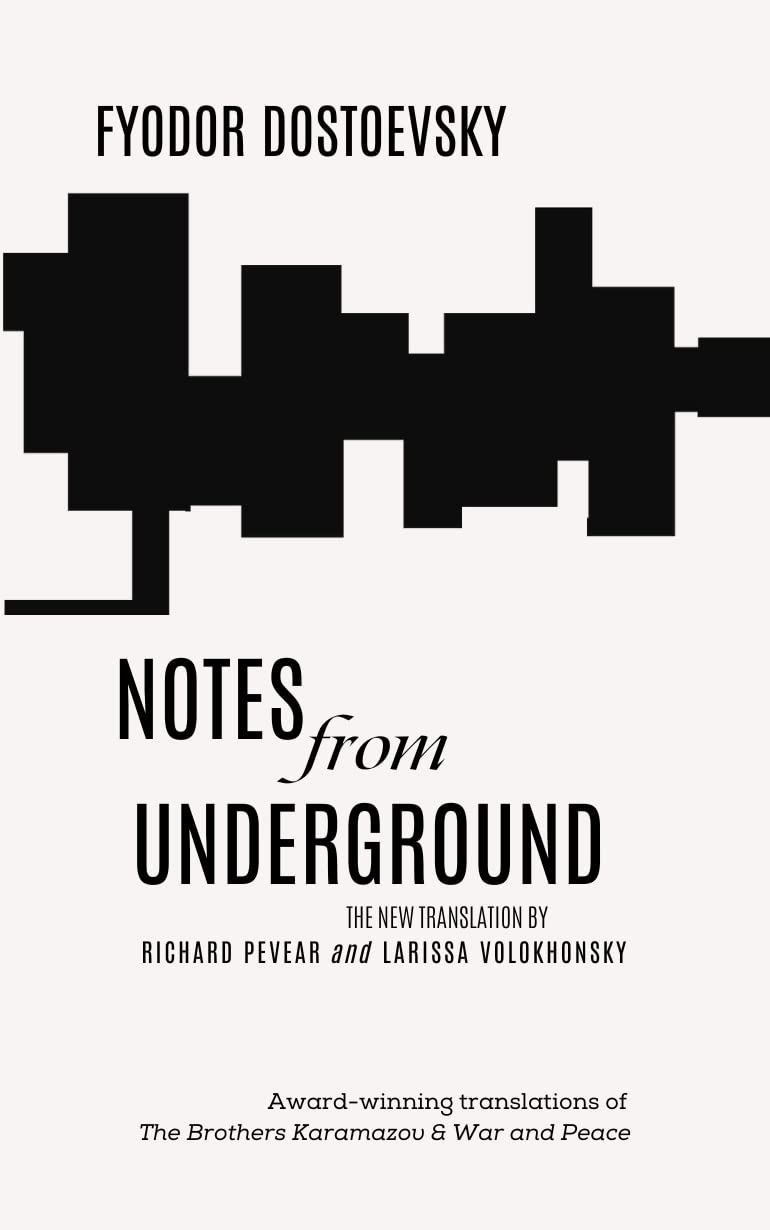
About Notes From the Underground by Fyodor Dostoevsky: A Powerful Story About Pride, Loneliness, and Choice
Have you ever wanted to speak to someone, then pushed them away? Have you ever thought about one small mistake long after everyone else forgot it? Notes From the Underground by Fyodor Dostoevsky takes these feelings into a dark and deeply personal story. Its main character wants respect, care, and freedom. Yet his own thoughts often stand between him and the life he wants.
This short classic invites you into the mind of a man who cannot stop questioning himself and the people around him. He can be sharp, funny, cruel, and painfully honest. Just when you think you understand him, he changes his mind or reveals another side of himself.
At Bookish Wonderland, discover a book that gives you plenty to think about after the final page. If you enjoy stories about difficult feelings and human choices, this could be a meaningful addition to your reading shelf.
Meet a Man Who Cannot Escape His Thoughts
The narrator is an unnamed former government worker living in St. Petersburg. Readers often call him the Underground Man. He has pulled away from society, but he still cares deeply about how others see him. That clash gives the story much of its force.
He speaks as if you are right there beside him. He argues, explains, complains, and sometimes takes back what he has said. His voice makes the book feel close and uneasy, like hearing thoughts that someone would normally keep hidden.
He is not a hero who always does the right thing. His pride hurts him, and his actions can hurt other people. Still, his need to be seen and understood gives you a reason to keep listening. You may disagree with him while wanting to know what he will reveal next.
What Happens in the Book?
The story has two main parts. The first takes you through the narrator's ideas about life, reason, freedom, and human behaviour. He questions the belief that people will always choose what is best for them if they know enough.
The second part turns to memories from his younger years. His dealings with an officer, a dinner with former schoolmates, and his meeting with a young woman named Liza show how his ideas play out in real situations.
These moments are often small on the outside but huge in his mind. A slight becomes a wound. A social meeting becomes a struggle for respect. A chance for kindness becomes far more difficult than it should be.
The interest lies in watching the gap between what he wants, what he says, and what he actually does. You follow that gap without needing any earlier book.
When Thinking Too Much Gets in the Way
Some stories help you escape into another world. This one may make you look more closely at your own. The Underground Man keeps turning thoughts over until even a simple step can feel impossible.
You do not need to share his views to recognise the habit. Perhaps you have planned a conversation many times but never started it. Perhaps you have stayed quiet because being wrong felt worse than missing a chance.
Through fiction, Dostoevsky gives these struggles a face and a voice. The book offers a space to notice them, question them, and talk about them. It does not give a neat plan for changing your life. Its value is in the questions it opens and the feelings it brings into view.
Why Do People Choose What Hurts Them?
One of the book's central questions is simple: why do people sometimes act against their own good? The narrator argues that human beings want more than comfort and sensible results. They also want to feel free to choose.
That idea becomes troubling when choice turns into spite. Is someone truly free when they reject a good thing just to prove they can? What happens when pride matters more than peace?
You can read these questions slowly without knowing the names of famous thinkers. The story gives you situations to consider instead of asking you to memorise a lesson. Bring your own views, test them against the narrator's claims, and decide where you agree. There is room to argue with this book as you read it.
A Meeting That Gives the Story Heart
Liza brings another kind of tension into the narrator's world. Their meeting raises questions about care, power, shame, and the wish to be loved. It also shows how hard it can be for him to accept another person's warmth.
Without giving away the outcome, this part makes the earlier ideas feel more personal. The cost of his thinking reaches beyond his own unhappy mind. Someone else can be hurt by the way he protects his pride.
If you enjoy books where one conversation carries great emotional weight, these scenes offer a reason to read closely. Watch what is said, what is avoided, and what each person seems to need. The distance between kindness and cruelty can feel painfully small.
A Short Classic With Plenty to Explore
First published in 1864, this work is a novella, which means a short novel. It belongs to Russian classic fiction and combines a story about the mind with questions about how people live.
Its short form can appeal if you want to try Dostoevsky without beginning with a much longer novel. However, short does not always mean easy. The narrator changes direction, challenges the reader, and gives you ideas that may take time to settle.
Think of it as a book for careful reading. You can pause after a few pages and still have something worthwhile to consider. That makes it suited to readers who want depth in a smaller work, especially those who enjoy a strong voice more than a fast chain of events.
Is This the Right Read for You?
Choose this book if you like characters who are hard to judge. The narrator gives you reasons to feel pity, anger, interest, and doubt, sometimes within the same scene.
It may also suit you if you enjoy asking why people behave as they do. Pride, fear, social pressure, and the need for approval all help shape the reading experience.
For students and book club members, it offers many points for discussion. For a reader building a classic collection, it adds a work centred on inner conflict.
The story includes adult situations, emotional cruelty, and a bleak view of life. It is best approached by mature readers who are comfortable with difficult themes. Expect an intense encounter with a troubled voice rather than a light, cheerful evening story.
How to Enjoy Your First Reading
Start by listening to the narrator's voice. You do not have to solve every idea at once. Notice when he sounds sure of himself and when that certainty begins to slip.
Read a short section, then ask one plain question: what does he want here? Next, ask what stops him from getting it. These two questions can help you follow passages that seem full of arguments.
When the book moves into remembered events, connect his actions with the claims he made earlier. Does he live by his own ideas? Does he understand himself as well as he thinks?
A bookmark and a few notes can be useful. Keep track of a question or a scene you want to discuss, and let the story unfold at your pace.
On a second reading, try following the moments when he expects rejection before anyone has rejected him. This small focus can open another way into the story and help you notice how fear shapes what he says and does to others.
A Premium Copy for Time Spent Reading
A book that invites close attention deserves a pleasant reading experience. Bookish Wonderland offers this premium edition with practical care given to the pages, text, and binding.
- Premium eye-soothing cream paper gives the pages a soft, warm appearance for your reading time.
- Crystal-clear print keeps the words sharp and clean, helping you follow the text without blurred lettering getting in the way.
- High quality stitched and glue binding helps hold the pages together for longevity and repeated use.
These features support the simple pleasure of sitting down with a printed book. Whether you read at a desk, in your favourite chair, or beside your bed, the physical copy gives you a place to return to when you want to continue the story.
Make It Part of Your Reading Routine
Set aside a quiet part of your evening and read a little at a time. This is a good way to give the harder passages enough attention without feeling you must finish quickly.
You can also use the book for a shared reading plan. Read the same section with a friend, then compare your reactions. One reader may focus on the narrator's pain while another notices the harm he causes.
If you keep a reading journal, write down how your view of him changes. Your first impression may feel very different by the end. That change can become one of the most rewarding parts of reading a story told by someone whose account you cannot always trust.
Questions Worth Bringing to a Book Club
A useful discussion can begin with whether the narrator wants understanding or control. Does he tell the truth to become closer to others, or does he use honesty to keep them at a distance?
You might also discuss whether knowing your faults makes you more likely to change. The book gives plenty of room to question the gap between seeing a problem and doing something about it.
Another starting point is Liza's role. How does her presence change the way you read the narrator's earlier claims?
These questions keep a group focused on the text while leaving room for different opinions. You do not need a single correct answer to have a thoughtful conversation.
Ordering From Bookish Wonderland
Bookish Wonderland offers a large collection of premium and durable English books for readers who want to build a shelf they enjoy returning to. This title is a thoughtful choice for exploring classic fiction through one strong, challenging voice.
Looking for the Book price in Bangladesh? Check the current price shown on this product page before placing your order. This helps you choose within your budget using the listed price for the copy you are buying.
Nationwide delivery is available, including addresses inside and outside Dhaka. Cash on Delivery is available across Bangladesh. If you need your order sooner, ask about the fast or urgent delivery option in Dhaka and confirm availability for your address.
Bring This Unforgettable Voice to Your Shelf
Some characters stay with you because you admire them. Others stay because they leave you with questions you cannot easily put aside. The Underground Man offers that second kind of reading experience: awkward, searching, and full of conflict.
Open Notes From the Underground by Fyodor Dostoevsky and meet a man who longs for connection while making it harder to reach. Follow his arguments, watch his choices, and decide what you believe about the things he tells you.
Order your copy from Bookish Wonderland today and make room for a classic that invites careful thought and honest discussion.
If you require any customization or have any questions, please inbox us via FB or Insta.
| Primary Specification | |
| Author | Fyodor Dostoyevsky |
| Narrator | George Guidall |
| Genre | Philosophical Fiction, Classic Literature, Psychological Fiction |
| ISBN-13/ISSN | 979-8561525964 |
| ISBN-10 | 0451529553 |
| Publisher | Independently published |
| Publishing Date | November 9, 2020 |
| Language | English |
| Reading Age | 18+ years |
| Format | Printed book |
| Physical Specification & Quality | |
| Paper Quality | Premium eye-soothing cream paper |
| Binding Quality | High quality stitched and glue binding (for longevity) |
| Print Quality | Crystal-clear print |
| Pages | 130 pages |
| Country | United States |
| Logistics Information | |
| Weight | 149 gm |
| Length | 8.5 inches |
| Width | 5.6 inches |
| Height | 0.3 inch |