

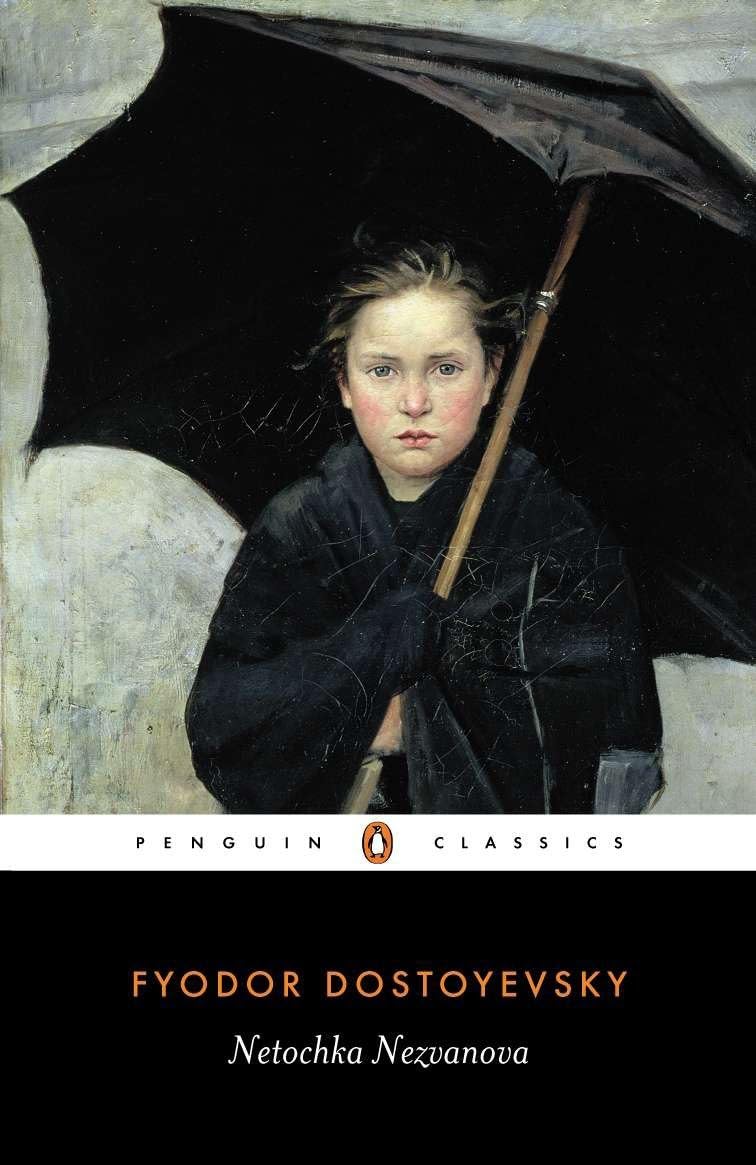
About Netochka Nezvanova by Fyodor Dostoyevsky: A Moving Russian Classic About Childhood, Love, and Finding a Place to Belong
What happens when a child grows up loving someone who keeps hurting the family? Netochka Nezvanova by Fyodor Dostoyevsky tells the emotional story of a young girl whose early life is filled with poverty, fear, loneliness, and a desperate wish to be loved. Her stepfather dreams of becoming a great musician, but his anger, drinking, and disappointments bring pain into their small home. Netochka does not fully understand the problems around her, yet she becomes deeply attached to him and begins to believe in the beautiful future he promises. When her life changes, she enters the homes of wealthy families, where comfortable rooms and expensive belongings cannot protect her from sadness, confusion, and hidden secrets. As she grows older, she forms strong friendships, experiences painful separations, and slowly learns to understand the complicated emotions of the adults around her. This Russian classic is an unfinished novel, but its surviving story offers a powerful look at childhood, emotional suffering, friendship, and the search for belonging. If you enjoy books that explore the human heart and make you think about people long after reading, Netochka's journey offers a memorable experience.
A Childhood Where Home Does Not Feel Safe
Netochka grows up in Saint Petersburg with her mother and stepfather, Efimov, in a home where money is always a problem. Her mother struggles to keep the family together, while Efimov spends much of his time thinking about his failed musical career and blaming others for his troubles. The little girl cannot understand every argument or every difficult choice made by the adults around her. She only knows that home feels unhappy and that the people she depends on are often upset with each other. Instead of turning away from Efimov, she becomes strongly attached to him and begins to share his dreams of a different life. She imagines that one day they might escape their troubles and find happiness together. Dostoyevsky shows how a child's need for love can shape the way she understands even the most painful experiences. Readers are invited to see the world through Netochka's confused and hopeful eyes, making the story deeply personal. Her childhood is not simply a background for later events. It shapes her memories, her understanding of relationships, and the way she searches for affection as she grows older.
Efimov Believes the World Owes Him Greatness
Efimov is a violinist who believes he has extraordinary musical talent, yet his life has not brought him the success he expects. Instead of accepting responsibility for his problems, he often blames other people and believes the world has failed to recognize his abilities. His disappointment slowly affects everything around him, including his marriage and his relationship with Netochka. He drinks, struggles with his work, and treats his family in ways that make their already difficult lives worse. However, Netochka sees him differently. She is fascinated by his dreams and wants to believe that he is a special person who will one day escape poverty. This difference between the child's view and the reality of Efimov's behavior creates one of the novel's most painful relationships. Readers can recognize the damage caused when ambition becomes an excuse for neglecting the people who depend on us. Through Efimov, Dostoyevsky also raises questions about artistic talent, pride, disappointment, and personal responsibility. Is believing in your own greatness enough to make you great? What happens when a dream becomes more important than kindness, honesty, and the needs of a family? His character gives readers plenty to think about.
Her Mother's Struggle Gives the Story Its Heart
Netochka's mother works hard to support a household that seems to be falling apart. She faces financial problems, emotional pressure, and the daily burden of living with a husband who refuses to face the reality of their situation. While Efimov speaks about the success he believes he deserves, she must deal with the immediate problems of keeping their family alive. Netochka watches this unhappy relationship without having the understanding needed to judge it fairly. Her strong attachment to her stepfather makes her feelings toward her mother even more complicated. As a result, readers witness how family conflict can affect a child who desperately wants love but cannot fully understand the actions of the adults around her. The story does not present childhood as a simple world where children always know who is right or wrong. Instead, it shows how fear, hope, dependence, and affection can become mixed together. These early chapters explore serious subjects, including poverty, neglect, drinking, and emotional suffering. They give the novel much of its emotional strength and help readers understand why Netochka's later search for a loving home matters so deeply.
Music Means More Than a Beautiful Sound
Music plays an important role in Netochka Nezvanova, especially through the character of Efimov. He sees his violin as the key to the wonderful life he believes he should have, but his dream of becoming a celebrated musician is closely connected to his pride and resentment. He compares himself with other performers and struggles to accept that his career has not developed as he imagined. For Netochka, music becomes connected with her earliest memories of home, her stepfather's ambitions, and feelings she is too young to explain. What should be a source of beauty and joy is often surrounded by tension and unhappiness. Through this contrast, Dostoyevsky encourages readers to think about the difference between loving an art and becoming consumed by the desire for recognition. The novel also explores the effect a person's ambition can have on family relationships when dreams begin to matter more than people. As Netochka grows, music continues to hold meaning in her life, connecting her past with new possibilities. Readers who enjoy literature about artists, personal ambition, and emotional conflict will find this aspect of the story particularly interesting.
A New Home Does Not Erase Old Pain
After a major change in her life, Netochka enters the home of a wealthy family. The difference between her old surroundings and her new home is enormous. Instead of living with constant financial problems, she finds herself surrounded by beautiful rooms, comfortable belongings, and people whose daily lives are very different from anything she has known. From the outside, it might appear that her troubles are finally over. She now has shelter and opportunities that were missing during her early childhood. However, Dostoyevsky makes it clear that a change in surroundings cannot immediately remove painful memories or teach a frightened child how to trust again. Netochka must learn unfamiliar rules, understand the behavior of new people, and discover where she belongs in a household that is not truly her own. Her past continues to influence how she interprets kindness, authority, and friendship. This part of the novel shows that a comfortable home is not automatically a happy home. Real belonging also requires affection, understanding, and the freedom to feel accepted. Readers follow Netochka as she enters a world that offers new opportunities while introducing emotional challenges she could never have expected.
Katya Brings Joy and Another Difficult Lesson
In the wealthy household, Netochka meets Katya, a young girl whose personality and background are very different from her own. Their first encounters are uncomfortable, and Katya's pride sometimes makes Netochka feel unwelcome. Netochka is already struggling to understand her new surroundings, so building a friendship does not happen easily. Over time, however, their relationship changes, and the two girls develop a powerful emotional bond. Their friendship gives Netochka something she has been missing for much of her childhood: the feeling that another person genuinely cares about her. They begin to share experiences and feelings, creating moments of happiness that stand in sharp contrast to the sadness of her earlier life. Yet the adults around them do not always understand the closeness between the girls, and their bond faces difficulties that neither child can control. Dostoyevsky captures the intensity of childhood friendship, when another person can seem to represent an entire world of happiness and belonging. The relationship between Netochka and Katya explores affection, pride, misunderstanding, and the pain of separation. Readers who enjoy stories about friendship and growing up will find these chapters especially moving.
Alexandra Offers Kindness, but Her House Has Secrets
Netochka's journey later brings her into the care of Alexandra Mikhailovna, a woman who shows her kindness and takes an interest in her development. This new household offers Netochka opportunities to learn and grow, giving her experiences that would have been difficult to imagine during her early childhood. Alexandra becomes an important figure in her life, and their relationship brings another form of affection into the story. However, as Netochka becomes more observant, she begins to notice that the adults in the house are not entirely happy. There is tension between Alexandra and her husband, and their behavior suggests that something painful has happened in the past. The young girl starts paying attention to their conversations and actions, trying to understand what they are hiding. A secret letter becomes an important part of the mystery surrounding the household. These discoveries introduce another side of the novel, where emotional suffering is connected not only with poverty but also with secrets, trust, and the power people hold over one another. Netochka's growing understanding of these problems shows how her view of the adult world becomes more complex as she gets older.
Watch Netochka Begin to Find Her Own Voice
Throughout the novel, Netochka changes from a frightened child who depends on other people for happiness into a young girl who gradually begins to think more independently. Every household she enters introduces her to different kinds of people, relationships, and expectations. Her experiences with Efimov teach her about suffering and misplaced trust, while her friendship with Katya allows her to discover the joy and pain of emotional closeness. Later, Alexandra's household shows her that even adults who appear comfortable and successful may carry serious troubles. As she learns to observe people more carefully, Netochka begins to question things she once accepted without understanding. Her growing interest in reading, music, and the world around her also reveals that she has dreams and abilities of her own. This development makes the novel more than a story about a child who experiences difficult events. It is also about the slow process of discovering an identity after years of being shaped by other people's choices. Readers can follow her emotional growth and see how each new experience changes the way she understands herself and the people around her.
Why Does This Russian Classic Feel So Personal?
One of the most memorable qualities of Netochka Nezvanova is the way Dostoyevsky allows readers to experience the story through Netochka's memories. She looks back on events from her childhood, recalling the emotions she felt and gradually revealing things she did not understand at the time. This approach creates a close connection between the reader and the main character. Rather than presenting every person as entirely good or bad, Dostoyevsky explores complicated motives, painful mistakes, and the need for love that shapes human behavior. Although the story takes place in nineteenth-century Russia, many of its emotional questions remain familiar. Children still struggle to understand family conflict, friendships can still bring both happiness and pain, and people continue to search for places where they feel accepted. The novel also provides an interesting early example of the psychological storytelling that later became strongly associated with Dostoyevsky's writing. If you enjoy fiction that explores thoughts and emotions instead of depending only on action, this book offers an engaging reading experience. Its characters invite you to think carefully about their choices rather than judging them too quickly.
Know About the Unfinished Ending Before You Buy
Netochka Nezvanova has an unusual literary history that readers should understand before purchasing the book. Dostoyevsky originally published parts of the novel in 1849, intending to develop the story into a much larger work. However, his arrest and subsequent exile interrupted the project, and he never completed the novel as originally planned. The editions available today therefore contain the surviving text rather than a fully finished story with every question answered. Some relationships and developments remain open because the author did not write the intended continuation. This does not mean that you need to buy another volume to discover the rest of the story. There is no official completed sequel written by Dostoyevsky that supplies the missing ending. Instead, readers can appreciate the existing work for its emotional depth, memorable characters, and place in the author's early career. Knowing this background also helps you choose the book with the right expectations. If you enjoy studying an author's development and discovering lesser-known classics, its unfinished form makes the novel an interesting addition to your collection.
What Will You Discover Inside These Pages?
- A young girl's memories of poverty, loneliness, and a troubled childhood in Saint Petersburg.
- Efimov's painful struggle with musical ambition, disappointment, pride, and harmful behavior.
- A major change in Netochka's life as she moves from a poor household into a wealthy home.
- An emotional friendship with Katya that introduces both happiness and the pain of separation.
- A new relationship with Alexandra and the discovery of troubling secrets within her household.
- A detailed exploration of childhood emotions, personal identity, love, and the search for belonging.
These elements come together to form a deeply personal literary work that follows Netochka through several important stages of her early life. The story gives readers much more than a simple account of hardship. It shows how different relationships can influence a child's understanding of the world and how painful experiences may continue to matter even after circumstances improve. Each part of the novel introduces new emotional questions while contributing to Netochka's gradual development. Whether you are reading for pleasure or studying Russian literature, these themes provide plenty of material to reflect on and discuss.
Is Netochka Nezvanova the Right Book for You?
Netochka Nezvanova is a thoughtful choice for readers who enjoy Russian classics, literary fiction, emotional storytelling, and novels that examine complicated human relationships. If you have already read Crime and Punishment, The Idiot, or The Brothers Karamazov and want to explore another side of Fyodor Dostoyevsky's writing, this unfinished novel offers a chance to discover his earlier work. It may also appeal to readers who enjoy coming-of-age stories, difficult family relationships, and characters whose inner thoughts are as important as the events around them. The novel is not built around fast action or a traditional mystery with a neatly explained ending. Instead, its strength comes from the feelings, memories, and relationships of its central character. Some English translations may contain older language, so readers who are new to nineteenth-century literature may prefer to read slowly and give themselves time to understand difficult passages. The story also includes mature subjects such as neglect, drinking, family violence, poverty, and loss. It is therefore more suitable for mature readers than young children. For anyone who appreciates emotionally rich classics, Netochka's story offers a rewarding reading experience.
Check Which English Translation You Are Ordering
Netochka Nezvanova was originally written in Russian and has been published in several English translations and editions. Different publishers may offer different covers, introductions, page counts, and translations, so the exact physical book can vary depending on the edition you choose. For example, Penguin Classics has published a translation by Jane Kentish, but that does not mean every copy available from every bookstore uses the same translation. If you are purchasing the book for personal reading, checking the available edition can help you choose a copy that suits your preferences. If you need it for a university course, literature assignment, or reading group, confirming the translator and ISBN may be especially important because page references can differ between editions. At Bookish Wonderland, you can contact our team to ask about the available copy before completing your purchase. You may also ask about the cover, book size, or available customization options. Confirming these details in advance helps you avoid confusion and ensures that you order the version you actually need.
A Premium Copy for Comfortable and Enjoyable Reading
A classic novel filled with emotional detail deserves a physical copy that makes reading comfortable and enjoyable. At Bookish Wonderland, we offer Netochka Nezvanova by Fyodor Dostoyevsky with premium eye-soothing cream paper, crystal-clear printing, and high-quality stitched and glue binding. The cream pages provide a softer appearance than bright white paper, making them pleasant to look at during longer reading sessions. Sharp, clean printing keeps the words clear and helps you follow the story without struggling with unclear letters. The binding is designed with regular reading in mind, helping the book remain a durable part of your personal collection. These qualities are features of the copy offered by our store and should not be assumed for every edition available elsewhere. Whether you plan to read the novel over a quiet weekend, study it for a literature course, or return to important passages in the future, a comfortable physical copy can improve the overall experience. If you want to confirm the format, cover design, or customization options, simply contact our team before ordering.
Find the Right Copy at a Price That Suits You
Looking for the Book price in Bangladesh for Netochka Nezvanova by Fyodor Dostoyevsky? Visit the Bookish Wonderland product listing to check the current price and available edition before placing your order. Since the price and physical details can vary between copies, reviewing the product information is the easiest way to choose a book that fits your reading needs and budget. This novel is a meaningful addition to a collection of classic literature, especially for readers who want to explore Dostoyevsky beyond his most widely known works. It offers an emotional story about childhood, family, friendship, and the difficult process of understanding other people. The book can also make a thoughtful gift for someone who enjoys Russian literature, psychological fiction, or collecting important works by classic authors. Before buying it as a gift, remember that the novel is unfinished and deals with serious emotional subjects. If you have questions about the available translation, physical copy, or customization, contact Bookish Wonderland through Facebook or Instagram. Our team can help you review the available options before completing your purchase.
Get Netochka Nezvanova Delivered Anywhere in Bangladesh
You do not need to live near a large bookstore to find the classic novels you want to read. Bookish Wonderland makes English book shopping convenient by offering nationwide delivery across Bangladesh, allowing customers from different cities and districts to order their favorite titles online. Whether you live in Dhaka or outside the capital, you can place an order for Netochka Nezvanova by Fyodor Dostoyevsky and have the book delivered to your address without visiting a physical store. Cash on Delivery is available throughout Bangladesh, providing a convenient payment option for readers who prefer to pay when their order arrives. If you live in Dhaka and need your book quickly, you can also ask our team about the fast or urgent delivery option available for your location. Our large collection of premium English books makes it easier to discover classic fiction, literary novels, and other titles for your reading collection. If you have questions about the available copy, delivery arrangements, translations, or book customization, send us a message through Facebook or Instagram before checkout. We are here to help you check the available options and make the ordering process simple.
Discover the Emotional Journey of a Girl Searching for Love
Netochka Nezvanova by Fyodor Dostoyevsky invites readers into the life of a young girl who grows up surrounded by suffering but continues searching for love, kindness, and a place where she belongs. From the painful struggles of her early home to the friendships and hidden secrets she encounters later, every stage of her journey reveals something new about human relationships. Dostoyevsky gives readers an intimate look at how childhood experiences can influence the way people understand themselves and others. Although the novel remains unfinished, its surviving story offers an emotionally rich reading experience filled with memorable characters and questions that encourage reflection. If you enjoy classic fiction that explores human feelings with depth and care, this book deserves a place on your reading list. It is also a thoughtful addition to any collection of Russian literature, particularly for readers who want to discover an early work by one of the most widely studied novelists of the nineteenth century. Order Netochka Nezvanova from Bookish Wonderland today, check the current price and available edition, and contact us through Facebook or Instagram if you need help choosing your copy or requesting customization. Bring home a moving literary classic and follow Netochka as she learns to understand the complicated world around her.
If you require any customization or have any questions, please inbox us via FB or Insta.
| Primary Specification | |
| Author | Fyodor Dostoyevsky |
| Translator | Jane Kentish |
| Narrator | Emma Gregory |
| Genre | Literary Fiction, Psychological Fiction, Classics |
| ISBN-13/ISSN | 978-0140444551 |
| ISBN-10 | 0140444556 |
| Publisher | Penguin Classics |
| Publishing Date | January 7, 1986 |
| Language | English |
| Reading Age | 18+ |
| Format | Printed Book |
| Physical Specification & Quality | |
| Paper Quality | Premium eye-soothing cream paper |
| Binding Quality | High quality stitched and glue binding (for longevity) |
| Print Quality | Crystal-clear print |
| Pages | 176 pages |
| Country | Russia |
| Logistics Information | |
| Weight | 196 gm |
| Length | 8.5 inches |
| Width | 5.6 inches |
| Height | 0.42 inch |