Skip to product information
1 of 1

Bookish Wonderland

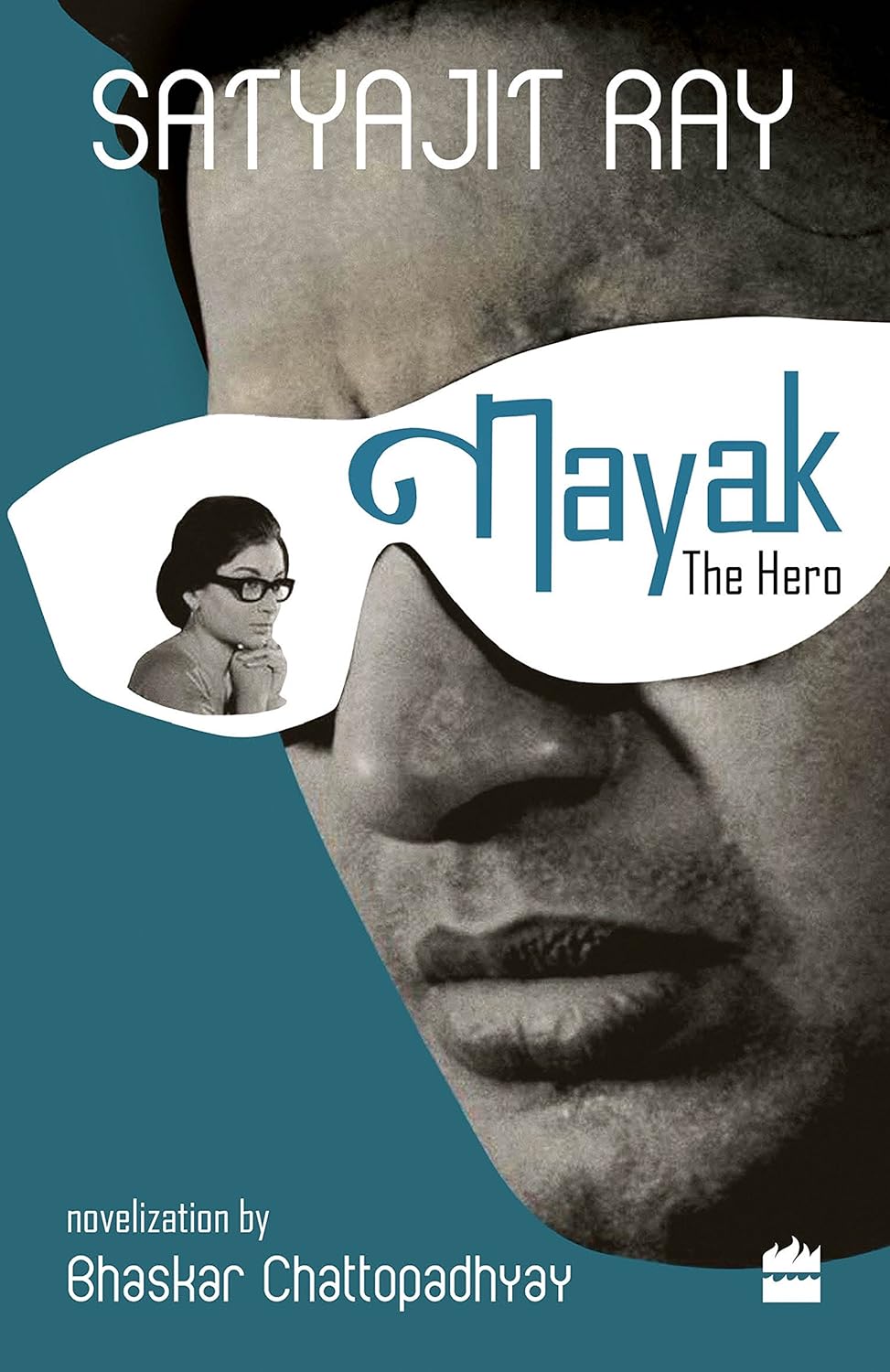
Nayak the hero by Satyajit Ray and Bhaskar Chattopadhyay

Nayak the hero by Satyajit Ray and Bhaskar Chattopadhyay

Regular price Tk 177.00 BDT
Regular price Sale price Tk 177.00 BDT
Sale Sold out
Book cover type
Quantity

Nayak: The Hero follows Arindam Mukherjee, a celebrated Bengali film star travelling by train from Calcutta to Delhi to receive a prestigious award. Among his fellow passengers is Aditi Sengupta, the thoughtful editor of a women’s magazine, who sees an opportunity to interview him. Initially guarded and dismissive, Arindam gradually reveals the private turmoil hidden beneath his glamorous public image. Their conversations uncover his abandoned theatre ambitions, difficult encounters within the film industry, strained friendships, moral compromises, and lingering guilt. Memories and unsettling dreams expose a man privately troubled by the enormous price of fame and fearful of failure despite his success. As Aditi listens, her skepticism gives way to empathy, and their unexpected connection challenges her ideas about celebrity. Adapted by Bhaskar Chattopadhyay from Satyajit Ray’s original screenplay, the novel explores loneliness, ambition, conscience, and the difference between an admired screen persona and the vulnerable person living behind it. Read More

View full details

About Nayak the Hero by Satyajit Ray and Bhaskar Chattopadhyay: A Powerful Story About Fame, Regret, and the Man Behind the Star

What happens when a famous actor finally gets a quiet moment to look at his own life? Nayak the Hero by Satyajit Ray and Bhaskar Chattopadhyay follows Arindam Mukherjee, a celebrated Bengali film star travelling by train from Calcutta to Delhi to receive a major award. During the journey, he meets Aditi Sengupta, the editor of a magazine for modern women. She is not impressed by his fame and decides to interview him. As their conversation grows deeper, Arindam slowly drops the polished image that the public knows. He speaks about ambition, friendship, fear, failure, guilt, and choices from his past. Based on Satyajit Ray's original screenplay for the 1966 film Nayak, this 2018 novelization by Bhaskar Chattopadhyay turns a famous cinematic story into a rich reading experience. It is a thoughtful book about celebrity life, public image, private pain, and the difficult question of who a person becomes after success arrives.

A Famous Actor Who Looks Perfect From the Outside

Arindam Mukherjee seems to have the kind of life many people dream about. He is famous, admired, wealthy, and recognized almost everywhere he goes. Fans watch his films, newspapers write about him, and strangers are curious about his private life. Yet the train journey shows that success does not remove fear or regret. Arindam is travelling to receive an award, but he is also worried about recent trouble around his public image and the possibility that his latest film may fail. The confidence people see in photographs and on screen is only one part of him. Inside, he carries memories that still hurt. This gap between public success and private anxiety gives the story much of its power. Readers are invited to look past glamour and ask what fame can hide. The book does not treat Arindam as a simple hero or villain. Instead, it shows a complicated man who has made mistakes, enjoyed success, and still does not fully understand what all of it has cost him.

Aditi Is Not Just Another Fan

Aditi Sengupta gives the story its strongest contrast to Arindam. She is educated, serious, independent, and not easily impressed by film-star glamour. She edits Adhunika, a magazine for modern women, and at first she sees Arindam as someone whose fame could help her publication attract more readers. She decides to interview him, but the conversation does not stay simple. Because she is skeptical, she asks questions other people may be too afraid or too excited to ask. Arindam senses that she is not treating him like a god, and that changes the way he speaks. As the journey continues, Aditi becomes less interested in collecting a sensational story and more aware of the person behind the public image. Their changing relationship gives the novel emotional depth. She does not simply admire him, and he does not simply charm her. They challenge one another, listen, and gradually move toward a more honest understanding.

One Train Journey Opens the Door to an Entire Life

Most of the story takes place during a train journey of roughly twenty-four hours, but the emotional world is much larger. Arindam's conversations and memories carry readers into different periods of his past. We learn about his early dreams, his work in theatre, his relationship with his mentor Shankar-da, and the choices that helped him move toward cinema. We also see old friendships, professional competition, ambition, betrayal, and regret. Because the train keeps moving while Arindam looks backward, the journey becomes more than transportation. It becomes a space where he can no longer run away from himself. The closed setting gives the book a strong structure. People come and go through compartments, meals, and conversations, but Arindam's memories keep pulling him inward. Readers who enjoy character-driven fiction may find this especially rewarding because the tension comes from what he reveals rather than from a mystery or action plot.

Fame Becomes a Mask That Is Hard to Remove

One of the most interesting ideas in Nayak is the difference between a person and the image other people expect to see. Arindam has spent years performing on screen, but fame also forces him to perform in daily life. He must smile, speak carefully, and protect the version of himself that fans and the press recognize. Aditi's interview creates a rare chance for that mask to slip. He begins talking about fear, weakness, and memories that do not match the confident star image. The novel asks a simple but powerful question: what happens when everyone loves the image but very few people know the person? This theme still feels modern because celebrities today also live under constant public attention. Readers can connect Arindam's situation to a wider problem: how easy it is for other people to see only the role we play and miss the uncertainty underneath.

Success Does Not Erase Old Regrets

Arindam's rise to fame includes choices that continue to trouble him. He remembers people who believed in him, people he left behind, and moments when ambition became more important than loyalty. His mentor Shankar-da, who represents an earlier part of his artistic life, becomes especially important in understanding the conflict between theatre, cinema, pride, and success. Arindam also remembers friendships and professional relationships that did not survive his climb. The novel does not present success as a simple reward for talent. It shows that moving forward can involve losses that are not easy to repair. Readers see how a person may achieve the goal they once wanted and still wonder whether the path was worth the cost. These reflections make the book more than a story about a movie star. They turn it into a study of ambition, memory, and the uncomfortable truth that some victories leave behind things we cannot recover.

The Other Passengers Create a Wider Picture of Society

Arindam and Aditi are the main focus, but the train is filled with other passengers who add humor, tension, and social detail. Some are fascinated by celebrity. Others have their own ambitions, worries, marriages, business interests, and personal struggles. Their presence makes the train feel like a small moving picture of society. Arindam is watched even when he is trying to be alone, and Aditi observes not only him but also the reactions of people around them. These side characters help the story explore ideas about class, status, gender, money, and the desire to be close to fame. The setting never feels empty because every compartment seems to contain another small story. Readers who enjoy books where supporting characters add texture to the main plot will find plenty to notice.

From Satyajit Ray's Screenplay to Bhaskar Chattopadhyay's Novelization

Nayak the Hero is not simply a printed copy of a film script. Bhaskar Chattopadhyay novelized Satyajit Ray's original screenplay, turning the cinematic story into prose while keeping the central characters, events, and emotional structure. The book was published by HarperCollins India in 2018, more than fifty years after the 1966 film. This makes it especially interesting for readers who know the movie and want to experience the story in another form. A film can use faces, movement, silence, sound, and camera work to create meaning. A novel has to build those effects through words. The novelization therefore gives readers descriptions, transitions, and inner detail that create a different rhythm. It does not replace the film; it offers another way to enter the same world.

What Will You Find Inside This Book?

  • A famous Bengali film star travelling from Calcutta to Delhi by train.

  • A sharp journalist who begins an interview and slowly becomes a trusted listener.

  • Flashbacks and memories about theatre, cinema, friendship, ambition, and regret.

  • A close look at the difference between public fame and private insecurity.

  • Supporting passengers who create a wider picture of urban Bengali society.

  • A prose novelization based on Satyajit Ray's celebrated 1966 film and original screenplay.

These elements come together in one complete standalone story. You do not need to watch the film first, although readers who know the movie may enjoy comparing how the same moments feel on the page.

Who Should Read Nayak the Hero?

This book is a strong choice for readers who enjoy literary fiction, Indian cinema, Bengali cultural history, character studies, and stories about fame. It can also appeal to fans of Satyajit Ray who want to experience one of his best-known screen stories in book form. Readers who prefer fast action may find the pace quieter because much of the novel depends on conversation, memory, and emotional reflection. That slower rhythm is part of its strength. It allows the book to explore what Arindam thinks and what Aditi gradually understands. Students of film, literature, media, or South Asian culture may also find the novel useful because it connects cinema and prose in a very direct way. If you enjoy books that ask what success really means after the applause ends, this title deserves your attention.

A Premium Copy for Comfortable Reading

Bookish Wonderland offers Nayak the Hero with premium eye-soothing cream paper, crystal-clear printing, and high-quality stitched and glue binding. The cream pages give the book a softer appearance during long reading sessions, while sharp text helps you follow every conversation, memory, and change in mood clearly. The binding is selected for regular use, which is helpful if you want to keep the book on your shelf, return to important passages, or use it for study. These specifications describe the copy offered by Bookish Wonderland and should not be treated as details for every edition sold elsewhere. If you want to confirm the cover, size, format, ISBN, or available customization options, message the store before ordering.

Check the Current Price and Choose Your Copy

Looking for the Book price in Bangladesh for Nayak the Hero by Satyajit Ray and Bhaskar Chattopadhyay? Check the Bookish Wonderland product listing for the current price and available copy before placing your order. The live listing is the best place to see the amount that applies when you buy instead of relying on an old or guessed price. This title can be a meaningful addition to a collection of Indian literature, film books, Bengali cultural works, or modern classics. It can also make a thoughtful gift for someone who loves Satyajit Ray, Uttam Kumar, Sharmila Tagore, or serious stories about cinema and celebrity. If you need edition details or want customization, contact the store before checkout.

Get Nayak the Hero Delivered Anywhere in Bangladesh

Bookish Wonderland offers nationwide delivery across Bangladesh, including addresses inside and outside Dhaka. Cash on Delivery is available across the country for readers who prefer to pay when the order arrives. If you live in Dhaka and need your copy quickly, ask whether fast or urgent delivery is available for your address. The store also carries a large collection of premium English books, making it easier to discover another classic, film-related title, biography, or literary novel in one place. If you have questions about delivery, the available copy, or customization, send a message through Facebook or Instagram before completing your purchase. This makes it easier to confirm what you are ordering and choose a copy that matches your needs.

Step Behind the Spotlight and Meet the Man Behind the Hero

Nayak the Hero by Satyajit Ray and Bhaskar Chattopadhyay begins with a famous man on his way to receive an award, but the real journey moves in the opposite direction—back into memory, fear, guilt, and the choices that built his public life. Arindam's conversations with Aditi slowly reveal that success can create its own loneliness and that fame cannot erase every regret. Order Nayak the Hero from Bookish Wonderland, check the current listing for price and availability, and message us through Facebook or Instagram if you need help choosing your copy or requesting customization. Open the book, enter the train, and discover the vulnerable person behind the celebrated star.

If you require any customization or have any questions, please inbox us via FB or Insta.

Primary Specification
AuthorSatyajit Ray, Bhaskar Chattopadhyay
GenreLiterary Fiction, Psychological Drama
ISBN-13/ISSN978-9352777617
ISBN-109789352777617
PublisherHarperCollins India
Publishing DateMay 5, 2018
LanguageEnglish
Reading Age16+
FormatPrinted Book
Physical Specification & Quality
Paper QualityPremium eye-soothing cream paper
Binding QualityHigh quality stitched and glue binding (for longevity)
Print QualityCrystal-clear print
Pages‎ 248 pages
CountryIndia
Logistics Information
Weight271 gm
Length8.5 inches
Width5.6 inches
Height5.51 inches
What is Nayak – The Hero by Satyajit Ray and Bhaskar Chattopadhyay about?

Nayak – The Hero is a psychological drama that follows Arindam Mukherjee, a celebrated Bengali film actor travelling from Calcutta to Delhi by train to receive a prestigious award. During the journey, he encounters Aditi Sengupta, the editor of a women's magazine who initially has little interest in his celebrity status. Their conversations gradually encourage Arindam to reveal the insecurities, regrets, and difficult decisions hidden beneath his glamorous public image. Through memories, dreams, and interactions with fellow passengers, the story explores the emotional consequences of fame and the complicated relationship between personal ambition and happiness. Based on Satyajit Ray's acclaimed 1966 film and adapted into a novel by Bhaskar Chattopadhyay, the book combines psychological fiction, social observation, and character-driven storytelling to reveal the vulnerable individual behind a celebrated public personality.

Is Nayak – The Hero by Satyajit Ray and Bhaskar Chattopadhyay a standalone novel or part of a book series?

Nayak – The Hero is a standalone literary novelisation, not part of a numbered book series. Published by HarperCollins in 2018, the book adapts Satyajit Ray's original screenplay for his 1966 Bengali film into English-language prose. It presents a complete story about film star Arindam Mukherjee and the personal revelations that emerge during his train journey. Readers do not need to purchase any other book or watch the film beforehand to understand the story. Although Satyajit Ray created several celebrated films and literary works, including the Feluda and Professor Shonku stories, those belong to separate fictional worlds and are not installments in a Nayak series. Customers can read this book independently without following a particular reading order or purchasing additional volumes.

Is Nayak – The Hero an original novel by Satyajit Ray, a screenplay, or a novelisation by Bhaskar Chattopadhyay?

Nayak – The Hero is an English-language novelisation of Satyajit Ray's original screenplay rather than an independently written novel by Ray. The story was first presented through his 1966 Bengali film, starring Uttam Kumar and Sharmila Tagore. Bhaskar Chattopadhyay later adapted the screenplay into prose, transforming its conversations, visual sequences, and cinematic details into a conventional reading experience. His adaptation follows the film's storyline while introducing descriptions and background information that help readers understand the characters and their surroundings. The book also draws on details from the original screenplay that did not appear in the final film. Customers purchasing this edition should therefore expect a narrative novel rather than a screenplay consisting mainly of dialogue, camera instructions, and scene descriptions.

Who are Arindam Mukherjee and Aditi Sengupta in Nayak – The Hero, and why is their conversation important?

Arindam Mukherjee is a successful Bengali film star whose public image suggests confidence, glamour, and professional achievement. Aditi Sengupta is the editor of a women's magazine who encounters him during a train journey from Calcutta to Delhi. Unlike many of his admirers, Aditi is not immediately impressed by his celebrity status. She approaches him for an interview, and their conversation gradually develops into a revealing discussion about his past and personal experiences. Arindam begins sharing memories involving his career, relationships, ambitions, and difficult moral decisions. Their interaction becomes central to the story because Aditi's questions encourage him to confront the difference between his carefully maintained public personality and his private feelings. Through these characters, the book examines how easily fame can hide emotional vulnerability and personal regret.

What are the main themes and deeper meanings of Nayak – The Hero by Satyajit Ray?

Nayak – The Hero explores fame, identity, ambition, guilt, materialism, loneliness, and the conflict between public success and private happiness. Through Arindam Mukherjee's memories and conversations, the story questions whether professional recognition can compensate for personal compromises and damaged relationships. It also examines the expectations placed on celebrities and how admirers sometimes become more interested in a public image than in the person behind it. Arindam's experiences reveal tensions between artistic ideals and commercial success, particularly through his connection to the theatre and film industries. The supporting characters offer additional perspectives on money, social status, ambition, and human behaviour. Rather than presenting fame as entirely desirable or undesirable, the story encourages readers to consider its emotional costs and the difficult choices involved in pursuing success.

How is the Nayak – The Hero book different from Satyajit Ray's 1966 film?

The novelisation follows the central events of Satyajit Ray's 1966 film but presents them through descriptive prose instead of moving images, performances, and cinematic techniques. Bhaskar Chattopadhyay expands certain moments by adding narrative descriptions, background information, and details drawn from Ray's original screenplay. Some material included in the book did not appear in the final film, such as a sequence involving Arindam noticing a hole in an expensive shirt. The novel also expresses scenes through written descriptions that the film communicates visually. Readers can explore the characters' thoughts and experiences through the narrator's words, while the film relies on performances, editing, sound, and visual imagery. Both versions share the same central story, but their different formats create distinct experiences. Customers can read the novel without watching the movie or use it as a companion to revisit familiar scenes.

What is the meaning of the famous dream sequence in Nayak – The Hero, and does it appear in the book?
Yes. Nayak – The Hero includes a literary adaptation of the film's memorable dream sequence in which Arindam finds himself surrounded by money and gradually sinks into it. The scene is widely interpreted as a representation of his anxiety about wealth, professional success, and the personal compromises he has made. His former theatre mentor also appears within the dream, adding another dimension to Arindam's feelings of guilt and regret. Bhaskar Chattopadhyay recreates this surreal sequence through extended prose, describing events that Satyajit Ray originally communicated through striking visual imagery. Readers interested in psychological symbolism may appreciate comparing the two versions. The scene highlights one of the story's central questions: whether material success has any real value when someone feels disconnected from their original ambitions and personal principles.
Who should read Nayak – The Hero, and what is the recommended reading age?
Nayak – The Hero is suitable for readers interested in literary fiction, psychological drama, Indian cinema, celebrity culture, and character-driven storytelling. It may particularly appeal to Satyajit Ray enthusiasts, film students, literature students, and readers who enjoy stories exploring the emotional complexities of successful individuals. Mature teenagers aged 15 and above may also appreciate the book, although this is a suggested reading age rather than an official publisher rating. The story explores adult relationships, emotional distress, professional compromises, and questions about morality and personal identity. Readers expecting a fast-paced thriller or action-focused story should understand that Nayak concentrates on conversations, memories, psychological tension, and social observation. Its relatively short length also makes it approachable for customers interested in exploring Satyajit Ray's storytelling through an English-language book.
Is Nayak – The Hero by Satyajit Ray and Bhaskar Chattopadhyay available in a premium edition at Bookish Wonderland?

Bookish Wonderland offers Nayak – The Hero as part of its premium English book collection, which focuses on comfortable reading and durable physical construction. The store describes its premium books as featuring eye-soothing cream paper, crystal-clear printing, and high-quality stitched and glue binding. These specifications are intended to provide customers with an enjoyable reading experience and a physical copy suitable for personal collection. The book may be particularly appealing to readers who collect Satyajit Ray's literary works or books related to classic Bengali cinema. However, the store's premium printing specifications should not automatically be confused with an officially designated special edition from the publisher. Customers seeking the HarperCollins paperback with ISBN 9789352777617, a specific cover design, or another publishing format should confirm the available version with Bookish Wonderland before purchasing.

What is the paper quality of Nayak – The Hero from Bookish Wonderland, and is it comfortable for long reading sessions?

Bookish Wonderland describes its premium English books as featuring high-quality, eye-soothing cream paper. The warm cream colour gives the pages a softer appearance than bright white paper, making it appealing to readers who prefer a less stark reading surface. This feature is useful for Nayak – The Hero because the story contains extended conversations, psychological reflections, and descriptive passages that encourage careful reading. Customers may also want to revisit individual scenes to examine Arindam's memories or compare the novelisation with Satyajit Ray's film. The store's paper specifications are intended to provide an enjoyable experience for readers who prefer physical books. However, individual reading comfort also depends on lighting, typography, and personal preferences. Customers interested in a particular paper thickness, texture, or finish should confirm the specifications of the available copy before placing their order.

Does Nayak – The Hero from Bookish Wonderland have crystal-clear printing and durable binding for long-term use?

Bookish Wonderland advertises crystal-clear printing and high-quality stitched and glue binding for its premium English books. The printing is intended to produce sharp, readable lettering, helping readers follow conversations and detailed descriptions without distractions caused by blurred text or uneven ink. Its binding combines stitching and adhesive to help keep the pages securely attached during normal handling. These features are useful for customers who plan to reread Nayak – The Hero, study its literary techniques, or preserve it as part of a Satyajit Ray collection. However, the actual lifespan of a printed book depends on manufacturing quality, frequency of use, and storage conditions. Readers should avoid forcing the spine completely flat, bending the covers excessively, or exposing the book to moisture. Careful handling and storage in a clean, dry environment can help preserve its physical condition over time.

Why should I buy Nayak – The Hero from Bookish Wonderland, and is Cash on Delivery available across Bangladesh?

Bookish Wonderland provides readers throughout Bangladesh with access to a large collection of premium English books, including literary fiction and works associated with celebrated South Asian writers and filmmakers such as Satyajit Ray. The store focuses on physical book quality through its advertised eye-soothing cream paper, crystal-clear printing, and durable stitched and glue binding. These specifications may appeal to literature students, film enthusiasts, and collectors who prefer comfortable printed books for reading and long-term preservation. Nationwide delivery is available for locations both inside and outside Dhaka, while Cash on Delivery allows customers across Bangladesh to pay when their orders arrive. Readers in Dhaka can also request fast or urgent delivery when available. Customers should confirm the available edition, current stock, final price, shipping charges, and estimated delivery time with Bookish Wonderland before completing their purchase.