

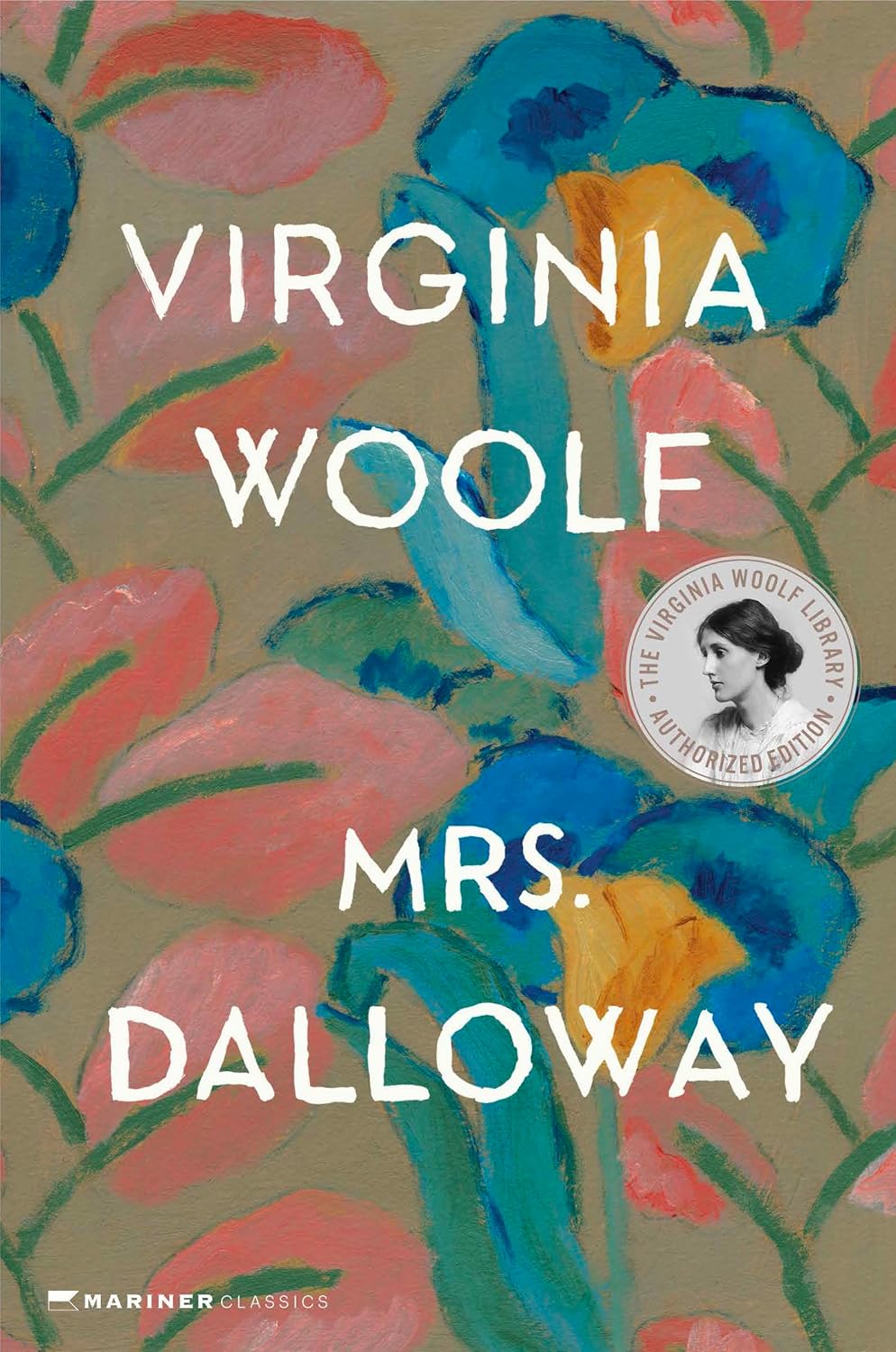
About Mrs. Dalloway by Virginia Woolf – One London Day That Holds a Whole Life
Mrs. Dalloway by Virginia Woolf begins with a plan: Clarissa Dalloway will buy flowers for a party at her London home. As Clarissa walks through the city, sounds, faces, streets, and memories carry her back to the choices that shaped her life. The novel takes place within one day, but it feels as wide as a lifetime. It asks gentle yet powerful questions. Are we truly happy with the paths we choose? How well do we know the people beside us? Can one bright moment make life feel whole? Virginia Woolf turns daily life into something rich, close, and beautiful. This is a classic for readers who enjoy stories about memory, love, time, family, fear, and the hidden thoughts that people rarely say aloud.
The Story Starts with Flowers, but It Reaches Much Further
Clarissa is getting ready to welcome friends, family members, and important guests to her evening party. From the outside, her life looks safe and polished. She has a fine home, a respected husband, Richard, and a daughter, Elizabeth. Inside, however, Clarissa is thinking about youth, old love, missed chances, and the person she has become. A visit from Peter Walsh, a close friend from her younger days, brings old feelings near again. Memories of Sally Seton also return with special warmth. The past and present move together, just as they often do in real life.
Around her, London is full of motion. Cars pass, clocks ring, people shop, and an aeroplane writes across the sky. Woolf shows how one street can hold many lives at once. A normal morning slowly becomes a wide picture of love, age, class, change, loneliness, and human connection.
When Ordinary Life Feels Too Small for Big Feelings
Many books depend on battles, crimes, or sudden twists to keep the reader interested. Mrs. Dalloway solves a different reading need. A walk, a meeting, a sound, or a glance can carry years of meaning. If you have ever felt that your daily routine hides thoughts no one else can see, this novel can make you feel understood.
Clarissa cannot explain every feeling to the people around her. She loves life, but she also thinks about death. She enjoys society, yet she needs a private part of herself. She values her marriage, but she still wonders about roads not taken. Such mixed feelings are part of being human.
The book gives no quick lesson and no easy answer. Its gift is recognition. It helps readers see that joy and sadness can sit in the same heart. It also shows why kindness matters: the calm person beside us may be carrying a storm that we cannot see.
Two Different Lives Cross Without a Meeting
Alongside Clarissa, the novel follows Septimus Warren Smith, a young man who served in the First World War. He walks through London with his wife, Lucrezia, often called Rezia. The war is over, but Septimus cannot leave its pain behind. He feels cut off from other people and frightened by what he sees and hears. Rezia loves him, yet she feels alone as she tries to reach him.
Clarissa and Septimus do not share a normal scene together. Both think about freedom, fear, life, death, and the pressure to act as society expects. Clarissa moves through bright rooms and polite talk. Septimus faces doctors who do not fully hear him. Through these two paths, Woolf shows both the beauty of life and the harm caused when pain is ignored.
It speaks about the wounds of war, mental health, care, power, and the need to listen. The language is gentle at times and painful at others, but Septimus is never used as a simple lesson. He is shown as a full person whose inner life matters.
A Writing Style That Lets You Hear the Mind
Virginia Woolf is famous for bringing readers close to thought. Her style is often called stream of consciousness. The name may sound hard, but the idea is simple: thoughts do not always arrive in a straight line. One thing reminds us of another. A sound can bring back a face. A place can open an old feeling. Woolf writes with this natural movement.
The story passes from one mind to another, sometimes within the same street or moment. You may begin with Clarissa, move to a person watching a car, and then enter the thoughts of someone nearby. These changes build a living map of London. They also show that every stranger has a story.
The prose has rhythm, colour, and repeated images. Clocks mark public time, while memory follows a private clock. Flowers suggest beauty and change. Doors, windows, waves, air, and light help express feelings that are hard to name. Readers who move slowly and notice these details often find that the novel becomes clearer and more rewarding with every page.
Why a Novel from 1925 Still Feels Alive
The streets, clothes, and social rules belong to another age, but the main feelings remain close. People still wonder whether they made the right choices. Old friends still return and wake sleeping memories. Families still love one another without always knowing how to speak. Many people still smile in public while feeling alone inside.
Mrs. Dalloway also asks who gets heard and who gets pushed aside. It looks at wealth, social class, gender roles, marriage, empire, medicine, and the effects of war. These ideas are part of the story, not a dry lecture. Woolf places them inside talks, memories, short meetings, and private reactions.
The party itself is more than a social event. For Clarissa, bringing people together is a form of creation. She cannot fix every life, but she can make a room where lives meet for one evening. That small act becomes meaningful. The novel suggests that connection may be brief, yet still real. This idea makes the book feel fresh in a world where people are often surrounded by others but still feel unseen.
Small Moments Become the Main Events
One of the finest features of Mrs. Dalloway is its attention to little things. Big Ben strikes the hour. A woman sings in the street. Someone mends a dress. A guest enters a room. None of these moments looks grand, but each changes the feeling of the book. Woolf teaches the reader to look closely.
The one-day form also creates a clear shape. Morning moves toward noon, afternoon, and evening. The coming party gives the story a goal, while the clocks remind everyone that time will not stop. Within that simple frame, the characters travel across many years through memory. The result is both focused and wide.
There is also a rich group of people to meet: calm Richard, restless Peter, bold Sally, young Elizabeth, lonely Rezia, troubled Septimus, and many guests and strangers. Each adds another view of life. No single voice holds the full truth. Readers must listen to several minds and form their own understanding. That makes the novel active, personal, and worth reading again.
What You Can Take from This Reading Experience
This book can change how you notice the world. After reading it, a city walk, a clock sound, or an old memory may feel more important. It can build patience because the story asks you to pause and follow feelings instead of racing only for events. It can also grow empathy by showing how different lives exist side by side.
Students can learn how a modern novel uses point of view, symbols, time, and inner speech. Writers can study how Woolf moves between characters without losing the mood of the scene. Book clubs can discuss marriage, love, regret, social masks, mental health, and the value of a single day. General readers can simply enjoy the beauty of the words and the honest way the book looks at life.
The novel does ask for attention. Some lines are long, and the voice can change quickly. This is not a flaw to fear. Read a few pages at a time, notice whose thoughts you are following, and let the rhythm guide you. The reward is a story that grows in the mind even after the last page.
A Beautiful Choice for Many Kinds of Readers
Choose Mrs. Dalloway if you enjoy literary classics, thoughtful stories, London settings, or books led by character rather than action. It is a strong next step for anyone who has read simpler classics and wants to try modernist fiction. It also suits readers who love quiet novels where meaning rests beneath common words and acts.
This book works well for a university course, an English literature reading list, a book club, a personal classics goal, or a slow weekend read. It can be a meaningful gift for a reader who likes Virginia Woolf, women writers, social history, or stories about the inner mind. Because the novel holds many themes, two readers may finish it with very different thoughts. That makes discussion lively.
New readers should know that the story includes war trauma, severe mental distress, suicide, and unkind medical treatment. These subjects are handled with care, but they may feel heavy. The book is best for mature teen and adult readers who are ready for a slow, emotional, and thoughtful work.
A Premium Edition Made for Comfortable Reading
At Bookish Wonderland, a great classic should feel good in your hands and remain strong on your shelf. This premium edition is prepared for readers who want comfort, clear text, and lasting use.
- Premium eye-soothing cream paper gives the pages a soft look and helps reduce strain during long reading sessions.
- Crystal-clear print keeps Woolf's detailed lines sharp, clean, and easy to follow.
- High-quality stitched and glue binding supports the pages for longevity, repeated reading, study, and careful note-taking.
These useful features make the copy suitable for home reading, classes, libraries, gifts, and personal collections. Instead of treating a classic as a book to finish once, you can keep it close, return to marked scenes, and discover new meaning later. Bookish Wonderland also offers a large collection of premium and durable English books, so readers can build a shelf that looks inviting and stands up to regular use.
Bring One Remarkable London Day to Your Shelf
Mrs. Dalloway is short enough to enter without a long promise, yet deep enough to stay with you for years. It offers no loud adventure. Its adventure happens inside memory, choice, fear, and hope. Clarissa's party, Septimus's pain, and the shared sounds of London come together to show how near people can be while living in private worlds.
Find a fair Mrs. Dalloway by Virginia Woolf book price in Bangladesh at Bookish Wonderland and add this lasting classic to your reading list. Cash on Delivery is available across the country, with delivery both inside and outside Dhaka. Readers in Dhaka can also ask about the fast or urgent delivery option when time matters.
Order your copy today for yourself, your class, your book club, or someone who loves thoughtful fiction. Open the first page, follow Clarissa into the morning, and discover how one ordinary day can hold the beauty, sorrow, and wonder of a whole human life.
If you require any customization or have any questions, please inbox us via FB or Insta.
| Primary Specification | |
| Author | Virginia Woolf |
| Genre | Literary Fiction, Modernist Fiction, Psychological Fiction, Classic Literature |
| ISBN-13/ISSN | 978-0156628709 |
| ISBN-10 | 9780156628709 |
| Publisher | Mariner Books Classics |
| Publishing Date | September 24, 1990 |
| Edition | First Thus |
| Language | English |
| Reading Age | 14 years and up |
| Format | Printed book |
| Physical Specification & Quality | |
| Paper Quality | Premium eye-soothing cream paper |
| Binding Quality | High quality stitched and glue binding (for longevity) |
| Print Quality | Crystal-clear print |
| Pages | 224 pages |
| Country | United States |
| Logistics Information | |
| Weight | 245 gm |
| Length | 8.5 inches |
| Width | 5.6 inches |
| Height | 5.3 inch |