

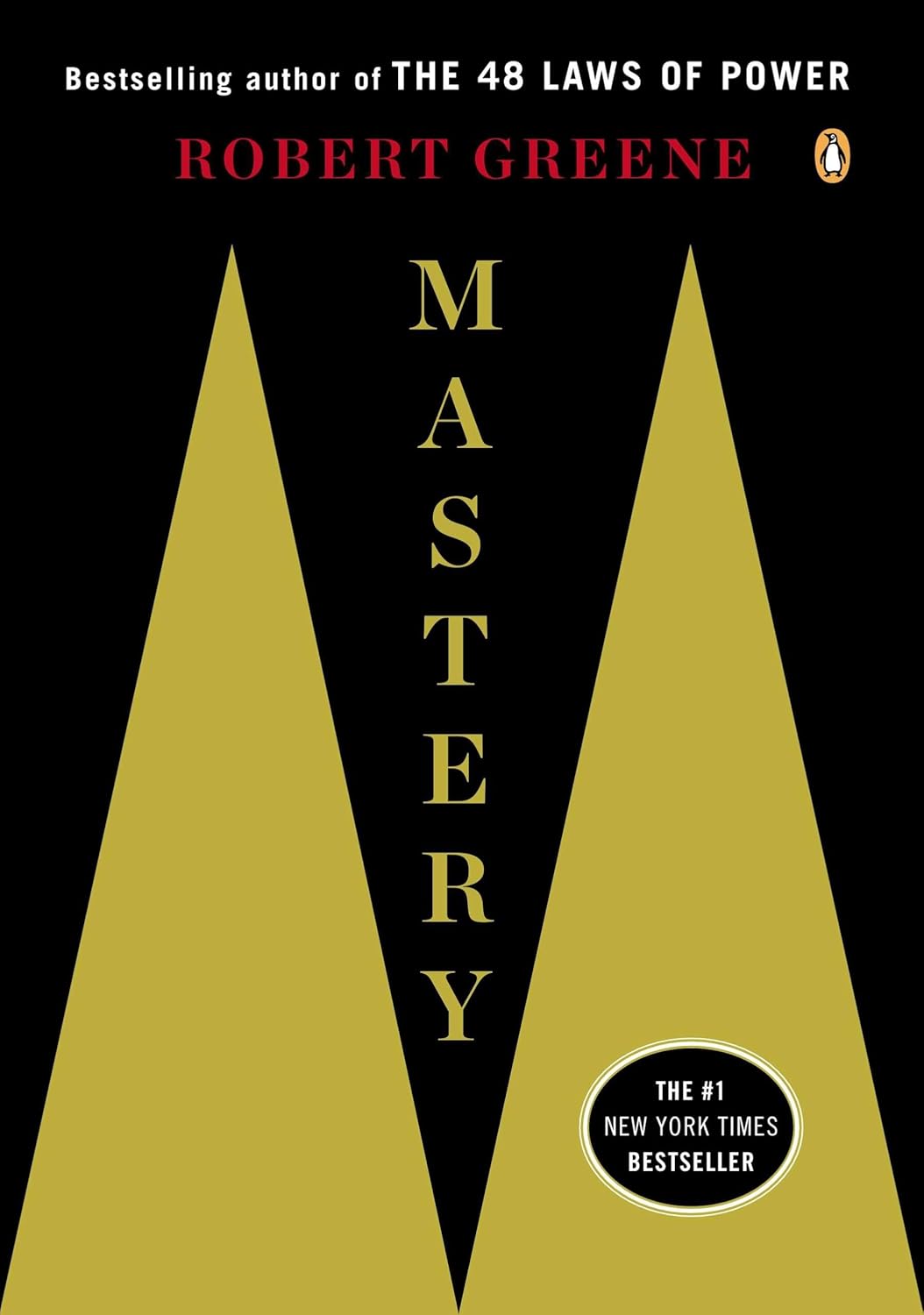
About Mastery by Robert Greene: Build Skills and Find Your Path
What makes someone very good at what they do? Is it a gift they were born with, or something they build over time? Mastery by Robert Greene looks at the long path behind great work. It explores how people learn, practise, gain experience, and develop their own ideas. Through the lives of figures such as Charles Darwin, Leonardo da Vinci, and Albert Einstein, Greene asks readers to look beyond the final success and notice the learning that came before it.
This nonfiction book suits readers who want to take their work, studies, or craft more seriously. Its focus is steady growth in a chosen field. At Bookish Wonderland, it is a thoughtful choice for people who want a book they can read slowly, think about, and connect with their own goals.
When You Want to Improve but Feel Stuck
You may have a goal but feel unsure about the next step. Perhaps you keep starting new courses, watching advice videos, or making plans. Yet your skills do not seem to grow in the way you hoped. It can be hard to know whether you need a new direction, better practice, or more time.
Mastery offers a way to think about that problem. Greene places learning and experience at the centre of progress. His approach invites you to take the early stages seriously, including the quiet work that may not earn praise. For a reader who keeps looking for quick results, this can be a useful change in focus.
You can use that idea to ask a simple question: what can I learn from the task in front of me? The answer may make a small daily step feel more worthwhile.
Find Work You Want to Keep Learning
One of the book's central themes is finding your calling. In simple words, this means looking for work that connects with your interests and strengths. Greene asks readers to take their natural curiosity seriously when thinking about a path in life.
That idea can be useful when every choice seems to come with advice from someone else. Friends may favour one job. Family may prefer another. You may feel drawn to a skill that you have not yet had time to explore.
As you read, you can reflect on which tasks hold your attention and which questions you keep asking. These reflections do not have to lead to a sudden career change. They can help you choose a project, subject, or area of practice with more care. A clearer sense of interest gives your learning a reason beyond finishing another course or gaining another certificate.
Give Yourself Time to Be a Beginner
Greene gives close attention to apprenticeship: the stage when you learn how a field works. This can include watching experienced people, learning basic skills, and taking part in real tasks. It is a period of building knowledge before expecting to produce great work.
For many readers, that is a helpful idea because being new can feel uncomfortable. You may work slowly, need help, or notice mistakes that others seem to avoid. It is easy to judge yourself by the results of someone with years of experience.
The book encourages serious attention to the learning stage. You can approach a new role with questions to ask and skills to build. Instead of measuring each day only by praise, you can also look at what you understand better. That gives early effort a more useful place in your plan.
Learn from Experience and Useful Guidance
Learning alone can leave gaps that are hard to see. An experienced person may notice a weak habit, explain a difficult step, or show how to approach a task more clearly. Mentorship is one of the themes readers encounter in Mastery.
For your own work, useful guidance might come from a teacher, manager, coach, or skilled colleague. The practical question is whether their advice helps you see your work more accurately. You can make that guidance easier to use by asking about a clear problem and returning with a revised attempt.
Reading about learning relationships can also prompt you to think about your role as a learner. Are you listening carefully? Are you trying the advice? Are you willing to correct an error? These are useful questions to carry into a class, workplace, or personal project.
Look at the Work Behind Achievement
The book draws on historical lives and interviews with contemporary masters. This gives its ideas a human setting. Readers meet people working through questions, learning their fields, and developing the knowledge behind their achievements.
For someone who enjoys biography, that approach offers another reason to read. You are looking at learning through the experiences of people whose work took different forms. Science, art, and other areas become ways to explore a shared question: how does deep skill develop?
These accounts are best read as examples to consider, rather than exact plans for your own life. Your time, duties, resources, and opportunities may be different. The value lies in asking which habits or choices deserve thought in your situation. That makes the reading more active and personal.
Turn Reading into Something You Can Use
A useful way to read this book is to keep one real goal in mind. It could be writing clearer reports, learning design, improving a craft, or becoming more confident with a work task. Give that goal a clear shape before you begin.
After a reading session, note one idea and one small action. For example, you could review an older piece of work, ask for feedback, or practise a part that often causes trouble. These are suggested ways to apply your reading, not exercises promised inside the book.
Keep your notes brief enough to use. A page full of plans can become another task you avoid. One clear action is easier to fit into a normal day. Over time, those notes can show how your questions and understanding have changed.
A Thoughtful Read for Students
Students may connect with the book's focus on learning before visible success. School and university often place attention on marks, deadlines, and results. This book offers room to think about the skills you want to carry beyond the next exam.
You might use your reading to reflect on how you study, where you need help, or which subject makes you curious. A class project could become a chance to practise one skill more carefully. A teacher's comments could become a guide for your next attempt.
The book is written for a general adult audience, and some ideas need patient reading. You do not need to rush through it. Reading a few pages and thinking about one point can be a sensible place to start, especially alongside a busy study routine.
Useful Questions for Work and Business
For people in jobs or running a business, the book can be a prompt to look closely at how they learn. Daily work creates many chances to observe, practise, and improve, but those chances are easy to miss when tasks pile up.
You could connect your reading with one practical area, such as explaining a service, solving customer problems, or checking work more carefully. Choose something you can observe and review. Then ask what good performance looks like and whose feedback could help.
These examples show possible uses for the book's broad themes. It does not provide a business plan for every reader or promise higher income. Its value for work lies in the attention it brings to building ability. That is a useful topic whether you are starting out or taking on a new role.
Make Space for Your Own Ideas
Learning a skill can begin with following examples. With more experience, you may start to see where an approach could change or how two ideas could work together. Mastery explores the move from learning a field towards doing more original work.
For a creative reader, this raises useful questions about the link between practice and freedom. What do you understand well enough to change? Which part of your work needs a stronger base? Where could a small experiment teach you something new?
You can bring these questions to writing, design, music, or another personal interest. Try a manageable change, look at the result, and decide what to adjust. This is one way to make your reading part of an active learning habit while keeping expectations realistic.
A Premium Copy for Careful Reading
A book you plan to revisit should be pleasant to use. Bookish Wonderland offers this title with the following reading features:
- Premium eye-soothing cream paper gives the pages a soft, comfortable appearance.
- Crystal-clear print keeps the text sharp and easy to follow.
- High quality stitched and glue binding supports the book through repeated reading and careful use.
These features serve different needs: the paper shapes the page feel, the print supports clear reading, and the binding helps hold the book together. Actual lifespan also depends on care and storage.
Keep your copy dry, use a bookmark, and avoid forcing the spine flat. Simple care is useful when you want to return to a passage months later or share the book with another reader.
Is This the Right Book for You?
Choose Mastery if you enjoy ideas about personal growth, learning, and the lives of skilled people. It is especially suited to readers willing to pause and consider how a broad idea relates to a real goal.
You may also enjoy it if you prefer extended discussion to a short checklist. Greene uses examples and explanation to develop his view of skill. That gives you material to reflect on across several reading sessions.
If you are choosing a gift, think about the person's interests. A student entering a new stage, a friend learning a craft, or someone changing roles may find its subject relevant. Interest in the topic matters more than the occasion. The best fit is a reader who wants to think seriously about how they learn and what they want to improve.
Can You Read It on Its Own?
Mastery by Robert Greene is a standalone nonfiction book. You can start here without reading another title first. It does not require knowledge of an earlier story, and there is no numbered reading order to follow.
- Series status: Standalone; no numbered series list applies.
This makes it an easy choice if you want to explore this subject in one book. You can read from the beginning to follow its ideas, then return to sections that relate to your current goals. There is no need to buy a set before you begin..
Order Your Copy from Bookish Wonderland
If you are checking the Book price in Bangladesh, view the current listing for Mastery by Robert Greene or ask Bookish Wonderland to confirm the amount before ordering. Confirm any delivery charge too, so you know the full cost.
Nationwide delivery is available across Bangladesh, including locations inside and outside Dhaka. Cash on Delivery is available. For an urgent order in Dhaka, ask about the fast delivery option and confirm whether your address and required timing can be covered.
Bookish Wonderland offers a large collection of premium English books, making it a useful place to explore your next read. If you have questions about this copy or need help with an order, message the team through Facebook or Instagram.
You do not need to settle every question before opening the first page. Start with curiosity, keep a pencil nearby, and give yourself room to think. A useful reading session can begin with one honest question about your own work.
Choose Mastery when you want to give your learning more thought and your practice more purpose. Order your copy today and begin with one goal you care about.
If you require any customization or have any questions, please inbox us via FB or Insta.
| Primary Specification | |
| Author | Robert Greene |
| Narrator | Fred Sanders |
| Editor | Daniel Lagin |
| Genre | Self-help, Personal Development, Business Motivation |
| ISBN-13/ISSN | 978-0143124177 |
| ISBN-10 | 014312417X |
| Publisher | Penguin Books |
| Publishing Date | October 29, 2013 |
| Language | English |
| Reading Age | 18+ years |
| Format | Printed book |
| Physical Specification & Quality | |
| Paper Quality | Premium eye-soothing cream paper |
| Binding Quality | High quality stitched and glue binding (for longevity) |
| Print Quality | Crystal-clear print |
| Pages | 368 pages |
| Country | USA |
| Logistics Information | |
| Weight | 391 gm |
| Length | 8.5 inches |
| Width | 5.6 inches |
| Height | 1.07 inch |