

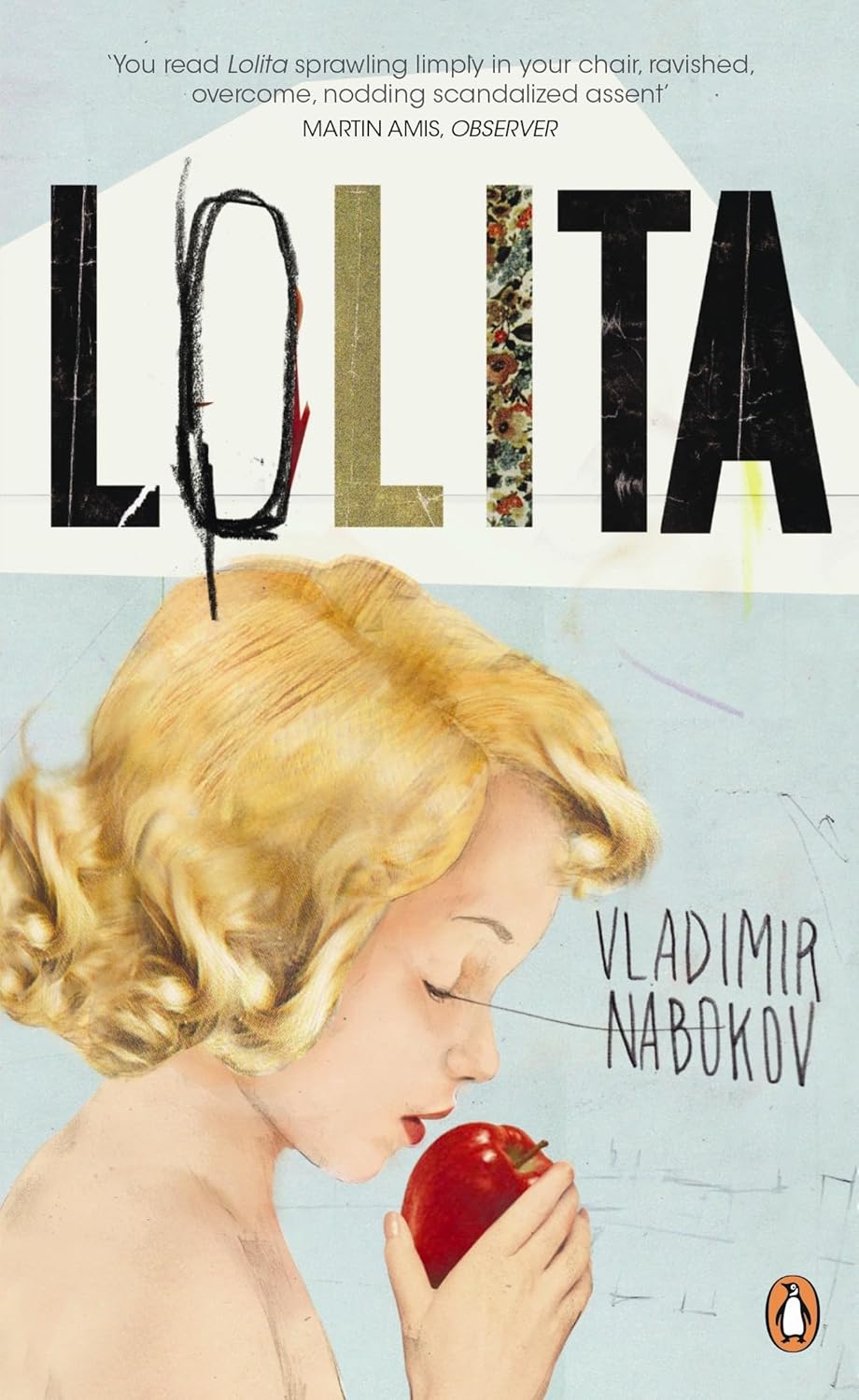
About Lolita Novel by Vladimir Nabokov: A Story That Makes You Question the Storyteller
What happens when someone tells a terrible story in beautiful words? Lolita by Vladimir Nabokov asks readers to listen closely—and to think about the person whose voice fills every page. Humbert Humbert tells the story himself. He is clever, funny at times, and skilled with words. He also harms a child named Dolores Haze. As he explains his actions, the reader must look past his explanations and pay attention to what happened to Dolores.
This is a famous novel for adults who want a book that asks hard questions. Its subject is disturbing, and its language is often playful and complex. That mix is part of why readers keep discussing it. Lolita asks how a storyteller can hide the truth, how easily a voice can shape our view, and what we miss when one person has all the words.
If you have heard of Lolita but never read it, this edition gives you the chance to meet the book itself. At Bookish Wonderland, you can order a printed copy made for comfortable reading, with premium eye-soothing cream paper, crystal-clear print, and high-quality stitched and glue binding for longevity.
A famous book with an unsettling story
At the centre of Lolita is Dolores Haze, a twelve-year-old girl. Humbert calls her “Lolita” and tells the story of his obsession with her. He speaks at length about his thoughts and feelings, but Dolores does not get the same space to tell her side. That gap matters. As you read, you begin to notice the distance between the picture Humbert tries to draw and the harm his actions cause.
Nabokov does not give readers a simple voice to trust. Humbert chooses what to say, what to leave out, and how to describe other people. He may make a scene sound light or amusing just when it deserves a much harder look. A reader can follow his words while still questioning him. In fact, those questions are one of the strongest reasons to read the novel.
The story moves through homes, schools, roads, and hotels in America. There are changes of place and moments of dark humour, but the book never loses its central question: whose account are we hearing? As the journey goes on, small details take on new meaning. You may find yourself turning back to a passage because you now see what Humbert was trying to hide.
Why readers still talk about Lolita
Some books stay in conversation because people agree on what they mean. Lolita stays in conversation because it is difficult to read without asking questions. Readers discuss Humbert’s voice, Dolores’s place in the story, and the effect of Nabokov’s language. They ask whether an elegant sentence can make a reader overlook an ugly act. They also ask what changes when we stop seeing Dolores only through Humbert’s eyes.
That makes Lolita a strong choice for a reading group or literature class. Two readers can notice very different details in the same chapter. One may focus on a joke that feels wrong; another may notice what Dolores says in a short exchange. Those observations can lead to a deeper discussion than a simple account of the plot.
You do not need to be studying literature to read it. You do need to be ready for a demanding book. It deals with child sexual abuse and manipulation, so it will not suit every reader. If you choose to read it, give yourself time. The story rewards close attention, and there is no need to rush through a difficult passage.
The voice that makes you look twice
Humbert likes to explain himself. He speaks directly to the reader and often tries to control how a moment feels. That can make reading Lolita feel almost like listening to someone make a case for himself. The more he talks, though, the more you can ask: What would this scene look like if someone else described it?
This is where the novel becomes especially absorbing. You are reading the events and watching the way Humbert presents them. A word that sounds innocent in one sentence may seem troubling by the next page. An excuse may draw attention to the very thing it tries to cover. Nabokov gives readers work to do, but that work gives the book much of its force.
Dolores is more than the name Humbert gives her. Remembering her own name helps keep her in view while reading his account. Watch for her wishes, her reactions, and the moments when Humbert moves quickly past them. The book can change when you make a habit of asking what Dolores might say about a scene.
A classic you can read at your own pace
Many readers feel they should already know Lolita because its title is so familiar. Yet knowing the title is different from reading the novel. On the page, you meet a carefully built voice, a changing view of America, and a story whose meaning depends on how closely you listen. You may be surprised by the gap between what you expected and what the book asks of you.
It is fine to read a few pages, pause, and think. Some sentences are worth reading again for the way they sound. Others are worth reading again because a detail becomes clearer later. If you enjoy making notes, mark the places where Humbert asks for sympathy or seems to pass over Dolores’s feelings. Those notes can help you see how your view changes as you go.
A printed copy makes that kind of reading easy to return to. You can keep your place, turn back to an earlier scene, or set the book aside for a day before continuing. Lolita is a novel that invites a second look, even before you have reached the end.
Who should choose this book?
Choose Lolita if you enjoy novels that ask you to judge a narrator for yourself. It may appeal to readers of literary fiction, people interested in how stories are told, and anyone looking for a classic that supports a thoughtful discussion. It also offers plenty to consider for readers who like to compare what a character says with what the character does.
It is best approached as an adult read. The subject matter includes the abuse of a child, and the story spends a great deal of time in the abuser’s voice. Knowing that before you buy helps you decide whether this is the right book for you now.
If you want a fast, easy story with a clear hero, this may feel challenging. If you want a book that keeps you alert to every word, Lolita offers a rich reading experience. You can read it alone, then discuss it with a friend and discover that each of you noticed something the other missed.
A copy made for long reading sessions
A book this detailed deserves pages you can read with care. Bookish Wonderland’s copy is made with premium eye-soothing cream paper and crystal-clear print. The cream pages give you a gentle background for the text, while clear letters help you follow long passages without struggling to make out the words.
Its high-quality stitched and glue binding is designed for longevity. That matters for a novel you may want to revisit, lend to a trusted reader, or keep for a future discussion. You can move back and forth between chapters as you notice new links in the story.
These physical details have a simple purpose: they help you spend your attention on the book. Whether you read at a desk, on a quiet afternoon, or a few pages before bed, you want a copy that feels comfortable in your hands and stays useful after the first reading.
More than a name you have heard
Lolita is often mentioned in conversations about famous novels, but a passing mention cannot show you how the book works. Reading it lets you form your own view. You can decide which moments trouble you most, which details Humbert tries to soften, and how your feelings about his account change from beginning to end.
That direct experience matters. It is easy to have an opinion about a well-known title before opening it. The pages give you something firmer to think about: the words Nabokov chose and the story those words tell. You may finish with questions rather than a neat answer. You will, however, have read closely enough to know what you are asking.
For someone building an English literature collection, Lolita is a book that invites return visits. A later reading may draw your eye to a scene you passed over the first time. A conversation with another reader may send you back to check a detail. It is a novel that gives you reasons to keep your copy nearby.
Order Lolita from Bookish Wonderland
Looking for Lolita by Vladimir Nabokov at a book price in Bangladesh that works for you? Check the current price at Bookish Wonderland and choose a printed copy for your next close read. It is a thoughtful pick for your own collection or for an adult reader who enjoys discussing challenging novels.
If you require any customization or have any questions, please inbox us via FB or Insta.
| Primary Specification | |
| Author | Vladimir Nabokov |
| Narrator | Jeremy Irons, Cassandra Campbell |
| Genre | Literary fiction |
| ISBN-13/ISSN | 978-0679723165 |
| ISBN-10 | 9780679723165 |
| Publisher | Vintage |
| Publishing Date | March 13, 1989 |
| Edition | English |
| Language | Printed book |
| Reading Age | 18+ years |
| Format | Suitable for all genders |
| Physical Specification & Quality | |
| Paper Quality | Premium eye-soothing cream paper |
| Binding Quality | High quality stitched and glue binding (for longevity) |
| Print Quality | Crystal-clear print |
| Pages | 336 pages |
| Country | USA |
| Logistics Information | |
| Weight | 351 gm |
| Length | 8.5 inches |
| Width | 5.6 inches |
| Height | 0.75 inch |